Nana Banana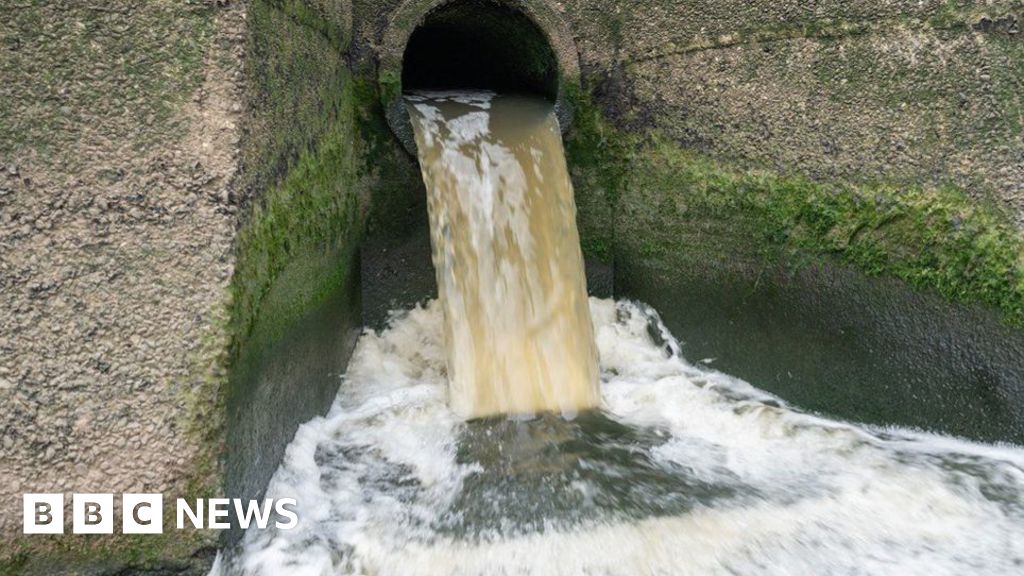
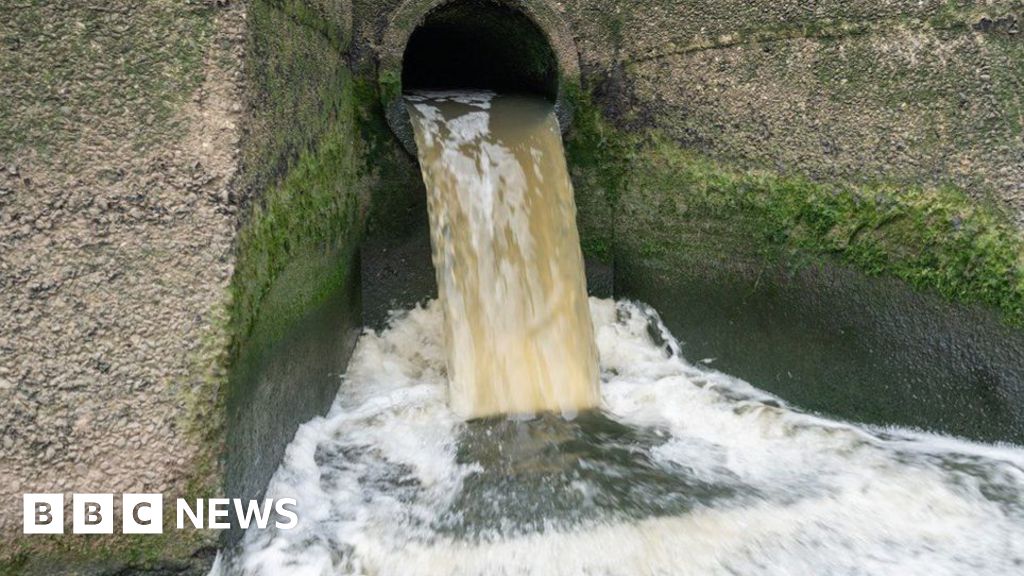
The impetus for this decisive action stems from mounting public outrage over the performance of water companies, particularly concerning the discharge of untreated sewage into rivers and coastal waters. For years, environmental groups and local communities have documented thousands of pollution incidents, highlighting the devastating impact on aquatic ecosystems, biodiversity, and public health. This widespread discontent culminated in a major independent review of the water industry, commissioned to address the systemic failures and perceived lack of robust oversight. The review’s findings underscored the urgent need for a fundamental reset, acknowledging the dual pressures of climate and nature emergencies alongside decaying infrastructure.
At the heart of the Welsh government’s proposals is the creation of a powerful new regulator, specifically tailored to the unique needs and devolved powers of Wales. This body would assume a national planning role, spearheading efforts to upgrade the country’s extensive network of pipes and sewers, many of which date back to the Victorian era. The vision is to foster "long-term investment" in critical infrastructure, moving towards a more integrated and responsive approach to water management across the nation. This new entity is envisioned as a central orchestrator of strategic planning, ensuring that future investments are aligned with national environmental goals and consumer interests, rather than purely commercial drivers.
A significant departure from the UK government’s approach for England, where a single large water watchdog is planned, Wales intends to keep environmental regulation and oversight of pollution incidents primarily within the remit of Natural Resources Wales (NRW). This distinct strategy aims to leverage NRW’s existing expertise in environmental protection while the new regulator focuses on economic regulation, infrastructure planning, and consumer protection. The goal is to create a dual-pronged regulatory framework that combines robust environmental enforcement with strategic infrastructure development.
However, the path to implementing these ambitious reforms is not without significant hurdles. The establishment of the new regulator necessitates new legislative powers from the UK government, followed by the passage of specific legislation within the Senedd (Welsh Parliament). This complex legislative journey means the new body is not expected to be fully operational until the early 2030s, underscoring the long-term nature of these systemic changes. This extended timeline emphasizes the scale of the challenge and the need for sustained political will and cross-party cooperation.
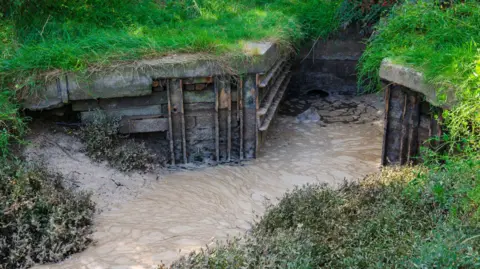
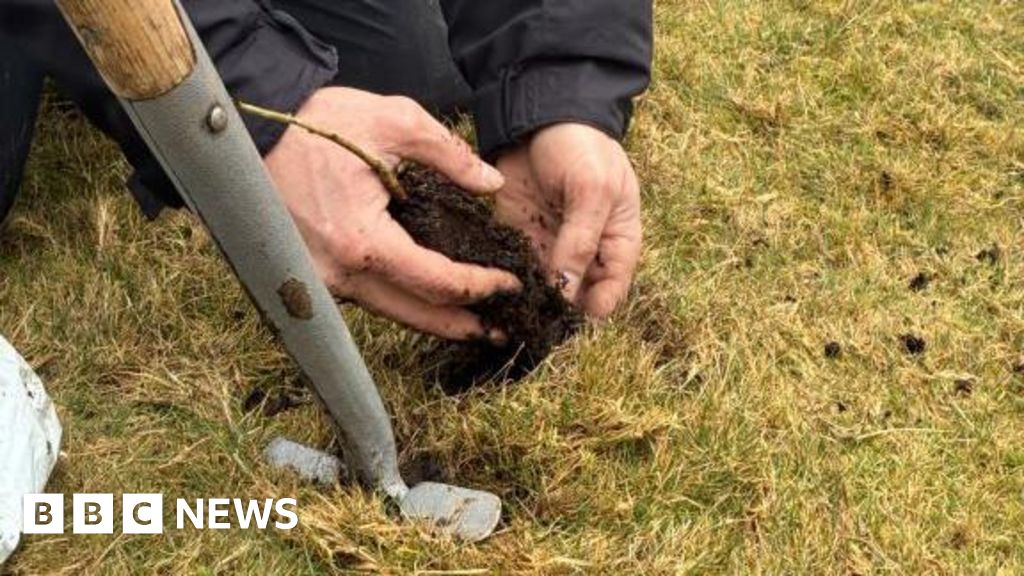
Beyond structural changes, the proposals also address specific sources of pollution. Notably, tougher controls are planned for the spreading of sewage and septic tank sludge on land as agricultural fertilizer. This practice, while historically common, has been identified as a significant contributor to elevated nutrient levels in Welsh rivers, leading to harmful algal blooms and, in some cases, "specific, catastrophic incidents" of pollution. The reforms will also impose limits on the use of digestate from anaerobic digestion plants, another material that, if not properly managed, can contribute to environmental degradation. Afonydd Cymru, which represents river trusts across Wales, specifically welcomed this proposal, highlighting its potential to mitigate one of the "chief contributors" to river pollution.
The government also intends to develop a comprehensive new national water strategy for Wales, designed to guide policy and investment for the next 25 years, replacing an older document published in 2015. This forward-looking strategy will address challenges such as climate change impacts on water resources, population growth, and the imperative for sustainable water management. It will likely set ambitious targets for water quality, leakage reduction, and resilience against future environmental shocks.
Furthermore, the reforms will critically review water companies’ ability to self-monitor and report their performance in areas like pollution minimization. Concerns have been raised about the "robustness of these systems," leading to proposals for "greater assurance" through increased automation, independent verification, and more frequent, unannounced inspections. This move aims to restore public trust by ensuring that data on pollution incidents and operational efficiency is accurate, transparent, and not subject to potential manipulation.
The issue of funding remains a "thorny issue," as acknowledged by various stakeholders. Deputy First Minister Irranca-Davies conceded that the substantial investment required for these reforms "more than can be raised through customers’ bills alone." This points to the need for diverse funding streams, potentially including direct government investment, fines levied against polluting companies, and innovative financing mechanisms. The challenge lies in balancing the need for significant infrastructure upgrades with the imperative to keep water bills affordable for consumers, especially amidst a cost-of-living crisis.
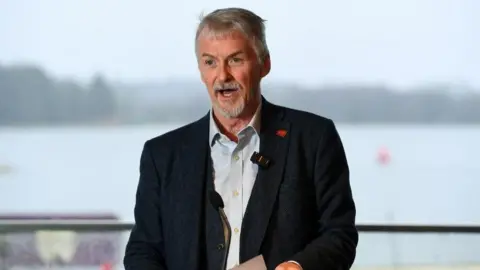
Stakeholder reactions have been largely positive, albeit with calls for urgency and clarity on funding. Gail Davies-Walsh, Chief Executive of Afonydd Cymru, described the proposals as providing "a beacon of hope" and offering "significant potential to effect positive change for rivers." However, she cautioned that the plans are currently "just a consultation at this stage and nothing yet is set in stone," urging ministers to act swiftly. Derek Walker, Wales’ Future Generations Commissioner, echoed this sentiment, stating the announcement should be "a wake-up call for the water industry" and emphasizing the need for a rapid transition to deliver "long-term environmental recovery and affordability, alongside strengthened compliance and regulation." Ofwat’s interim CEO, Chris Walters, affirmed the organization’s support for developing the new regulatory body while committing to its existing functions in the interim.
Political parties in Wales have also weighed in, reflecting a spectrum of views. Plaid Cymru’s spokesperson on Climate Change, Delyth Jewell MS, welcomed the proposals, noting that her party had long advocated for a "new Wales-specific regulatory body for water." She stressed the importance of "full devolution of powers over water" and prioritizing the people of Wales over "corporate bonuses" to create a truly effective system. Conversely, Welsh Conservative Shadow Cabinet Secretary for Climate Change and the Environment, Janet Finch-Saunders MS, expressed skepticism, arguing that "simply creating a new water regulator" would not automatically lead to cleaner rivers, fix broken infrastructure, or prevent further bill rises. She implied a need for more concrete action beyond structural changes.
Reform UK Wales emphasized the practical outcomes, stating that people would "judge these reforms on their results." They called for stabilized prices to ease the cost of living and robust support for Welsh Water in upgrading the network. The Leader of the Welsh Liberal Democrats, Jane Dodds MS, highlighted her party’s success in securing £5 million this year and another £5 million next year through a budget deal to strengthen enforcement and regulation. While welcoming this funding as "a step in the right direction," she acknowledged that "on its own it will not be enough" and stressed the importance of how this money is utilized. The Green Party also affirmed the long-standing need for Wales’ own regulator and full control over its water resources.
The consultation period for these proposals is open until early April, allowing various organizations, industry stakeholders, and the public to provide feedback. The outcome of this consultation will shape the final legislative agenda and the detailed implementation plan for what promises to be a fundamental and long-overdue transformation of Wales’ water sector. The success of this ambitious shake-up will ultimately be measured by its ability to deliver on the promise of cleaner rivers, a more resilient infrastructure, and fairer bills for the people of Wales.



 George Anjay
 Ramos Leo
 Nakalama John