
 Roy Suryo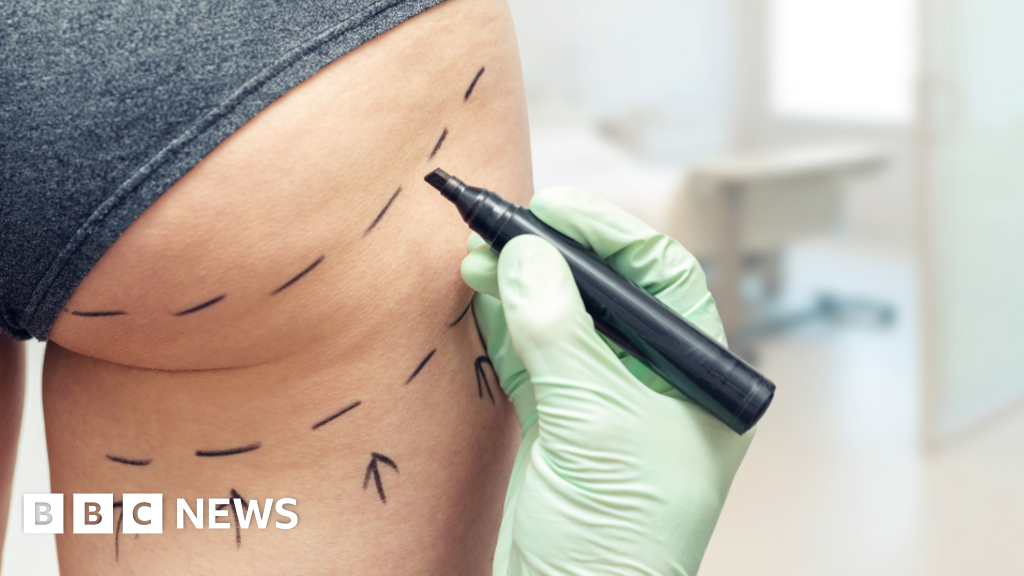
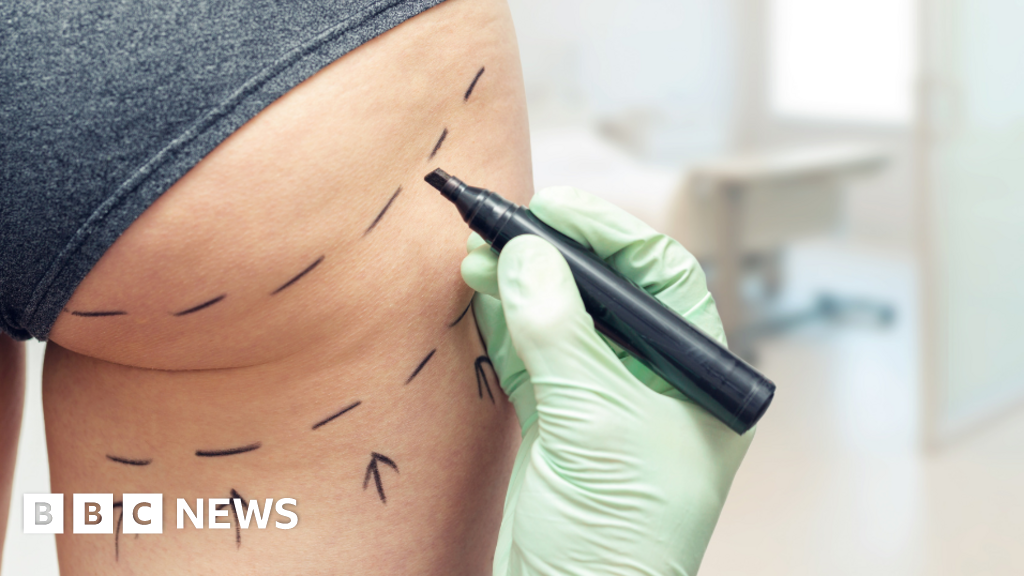
Tighter restrictions on high-risk cosmetic procedures such as liquid Brazilian butt lifts (BBLs) are needed immediately, a cross-party group of MPs has declared, urging the government to expedite the implementation of new regulations. The Women and Equalities Committee has unequivocally stated that only qualified medical doctors should be permitted to carry out these treatments due to the significant inherent risks. Their proposal suggests that such a stipulation would effectively act as a de facto ban, as doctors would only undertake these procedures in the most medically justifiable and essential circumstances.
The government has previously acknowledged the need for similar measures, proposing a pathway to restrict who can perform non-surgical cosmetic procedures. However, a concrete timeline for the introduction of these crucial restrictions remains unconfirmed, leaving a concerning regulatory vacuum. Currently, there is a notable absence of oversight regarding who can administer treatments that do not involve invasive surgical incisions. This lack of regulation has, according to the MPs, fostered a "wild west" market, where procedures, including liquid breast enlargements, are reportedly being carried out in unregulated and often unsanitary environments, such as private homes, hotel rooms, garden sheds, and even public toilets.
The severity of these risks was starkly illustrated by the harrowing experience of Sasha Dean, from Bedfordshire. In early 2024, she was left in a coma after undergoing a liquid BBL, with part of the treatment taking place in a private residence. The procedure led to a severe infection, sepsis, and a cascade of life-threatening complications. "Very quickly it turned into a complete nightmare," Dean recounted to the BBC, detailing a critical period where she suffered a heart attack, a collapsed lung, and failing kidneys, as her body began to shut down.
After spending five days in an induced coma, Dean miraculously survived and has since begun the arduous process of recovery. However, the ordeal has left her with lasting physical and cognitive impairments. "It’s just been the most horrendous couple of years," she shared, describing significant hair loss, cognitive difficulties, problems with fine motor skills like dropping objects, and ongoing visual disturbances. "My body was just completely shutting down," she reiterated, concluding with the poignant statement, "It’s ruined my life, quite frankly." Dean is now a vocal advocate, desperately warning other women about the profound dangers associated with these procedures. She emphasized, "Because it’s not surgery, people still think that it’s safe. But for me, I just think it is the most dangerous procedure out there. I’d like to see it banned in all honesty."
Labour MP and committee chair Sarah Owen echoed these urgent concerns, highlighting that liquid BBLs and liquid breast augmentations represent a grave threat to public safety. "The government is not moving quickly enough. There is no need for further consultation and delay," Owen asserted, condemning the current situation as a "wild west of procedures" that is actively endangering the public. Furthermore, Owen urged the government to commit to implementing its proposed licensing scheme for lower-risk non-surgical procedures by the end of the current parliamentary term in 2029.
Under the government’s proposed framework, procedures classified as high-risk would be exclusively performed by regulated healthcare professionals, and the services providing them would be subject to rigorous inspection by the Care Quality Commission. Lower-risk procedures, such as those involving Botox and lip fillers, would fall under the purview of local council licensing schemes.
A spokesperson for the Department of Health and Social Care (DHSC) stated that the government is actively taking measures to combat "cosmetic cowboys" and eradicate dangerous treatments. "Our tough new measures will ensure only qualified healthcare professionals will be able to perform the highest-risk procedures," the spokesperson affirmed. They also provided advice for individuals considering cosmetic procedures, urging them to "check the provider’s qualifications and insurance – and avoid treatments that appear suspiciously cheap." Despite these assurances, the DHSC confirmed that no firm date has yet been set for the introduction of these regulatory changes.
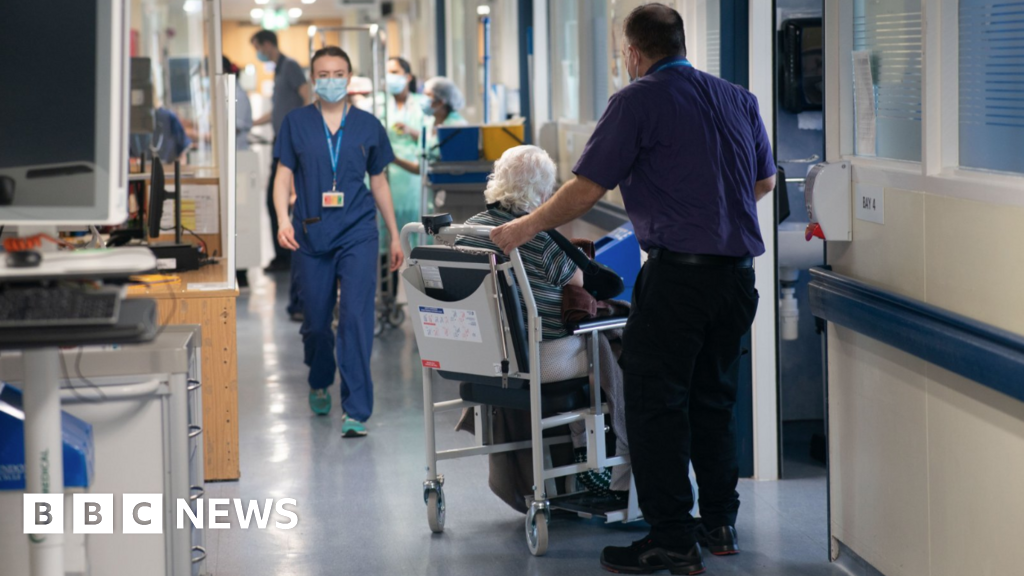
The government initiated a consultation on these proposed reforms in 2023. However, the committee’s report points out that calls for more robust regulations have been ongoing for a decade prior to this consultation, underscoring the prolonged delay in enacting meaningful change. In the interim period, there has been a significant and alarming surge in the number of businesses offering these cosmetic procedures. A recent study conducted by University College London revealed that the UK now hosts over 5,500 clinics offering non-surgical cosmetic treatments, with a concerning finding that only one-third of practitioners are qualified doctors. The committee’s report further highlighted a profound lack of consistency in training standards within the industry, with some practitioners reportedly relying solely on online training courses before commencing treatments on the public.
Dr. Sophie Shotter, representing the British College of Aesthetic Medicine, expressed frustration at the continued delay in implementing stricter regulations, stating there is "no reason to delay introducing tougher regulation." She elaborated, "If the government clearly defines which procedures are considered high-risk and legislates that only regulated healthcare professionals can perform them, implementation could happen relatively quickly. The key is clarity," she emphasized. "Without a clear definition of ‘high-risk’, enforcement becomes difficult. But once that legal line is drawn, it should be a prosecutable offence for non-clinicians to carry out those treatments."
Beyond the immediate regulation of procedures within the UK, the MPs’ committee is advocating for the NHS to commence the systematic recording of data pertaining to complications arising from cosmetic surgery performed abroad. This recommendation stems from increasing reports of individuals requiring emergency medical care in the UK following botched cosmetic procedures undertaken in other countries.
Furthermore, the committee expressed significant concern regarding the pervasive influence of social media platforms and online influencers. They believe these entities are exacerbating negative body image issues and contributing to a growing demand for cosmetic procedures, particularly among young women and girls. In response to the committee’s comprehensive report and recommendations, the government stated that it would give careful consideration to their findings and proposals.


 George Anjay
 Ramos Leo
 atisusanti
 Nakalama John