Roy Suryo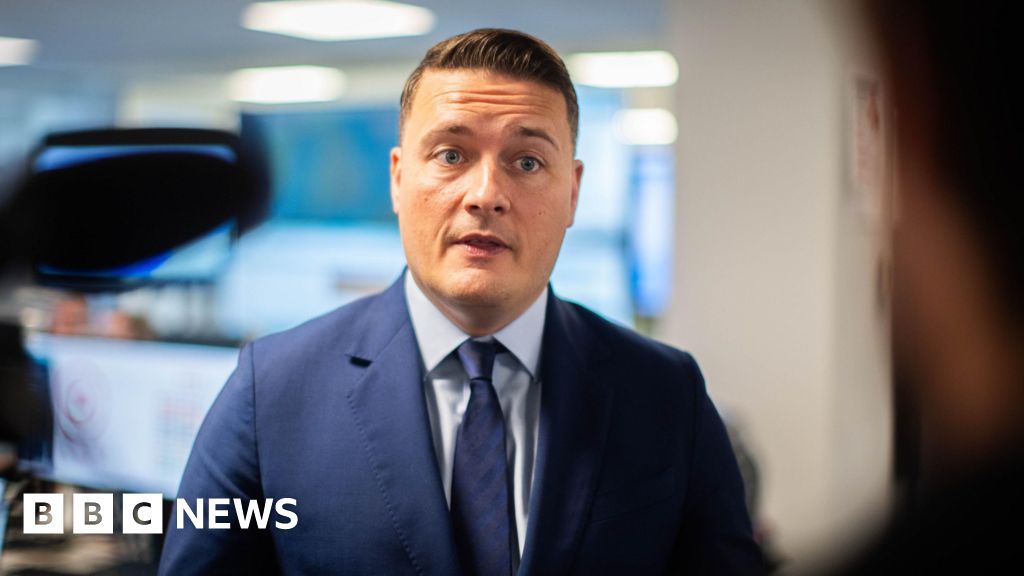
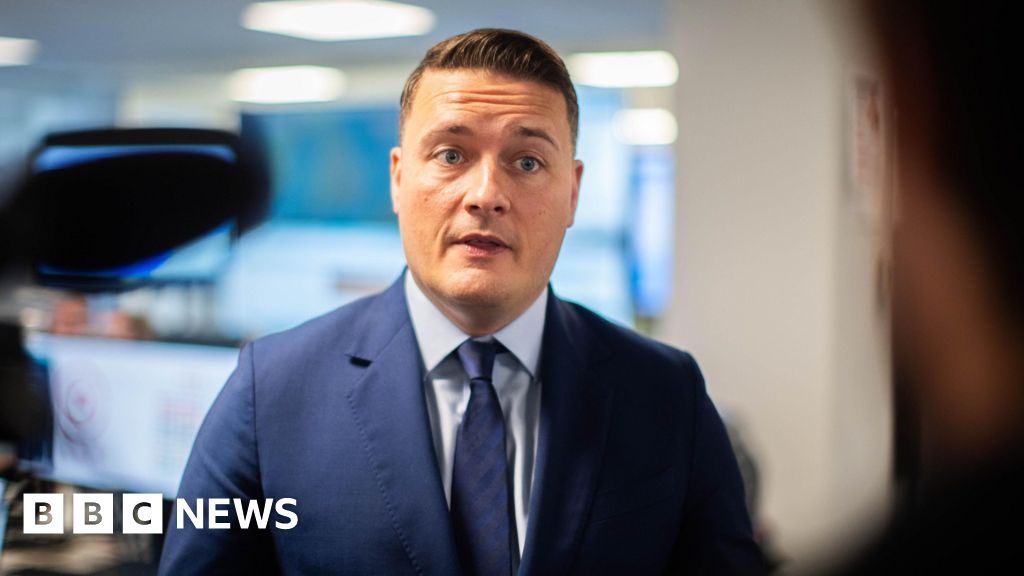
Health Secretary Wes Streeting has declared that bereaved families are entitled to the "truth" as he acknowledged that trust has been "severely damaged" surrounding the delayed independent inquiry into Leeds maternity care. Mr. Streeting announced the investigation into Leeds Teaching Hospitals NHS Trust in October, a move prompted by a damning BBC investigation that revealed the preventable deaths of at least 56 babies over the past five years. Despite the initial announcement, no chair has yet been appointed for the inquiry, leading to significant frustration and a plea from some families for Prime Minister Sir Keir Starmer to intervene. Mr. Streeting is scheduled to meet with some of the affected families on Monday afternoon.
In the lead-up to this crucial meeting, Mr. Streeting expressed his commitment to collaborating with the families to rebuild confidence and guarantee that the inquiry will ultimately deliver "the truth they deserved." He articulated, "Losing a baby is devastating beyond words, and you deserve not just answers, but a process you can trust." Mr. Streeting lauded the "extraordinary courage" demonstrated by the families, highlighting their strength and dignity in the face of unimaginable grief. He personally pledged to ensure the inquiry is "thorough, independent, and puts families at its heart."
This commitment comes in the wake of a letter, seen by the BBC, penned earlier this month by five Members of Parliament and addressed to Downing Street. The letter unequivocally stated, "Leeds families have lost faith and confidence in the Secretary of State for Health’s handling of this inquiry." The MPs detailed the families’ deep-seated concerns regarding the prolonged delay in appointing a chair and the potential appointment of an individual who might employ an "untested and unrefined methodology" for the investigation.
The letter went on to strongly advocate for the appointment of senior midwife Donna Ockenden to lead the Leeds NHS Trust investigation. Ms. Ockenden is currently presiding over a significant inquiry into Nottingham’s maternity services, which is scrutinising approximately 2,500 cases of alleged failings. Ms. Ockenden herself has publicly stated her readiness to chair the Leeds review, confirming, "I am ready to chair the review into Leeds maternity services and can begin work immediately if asked."
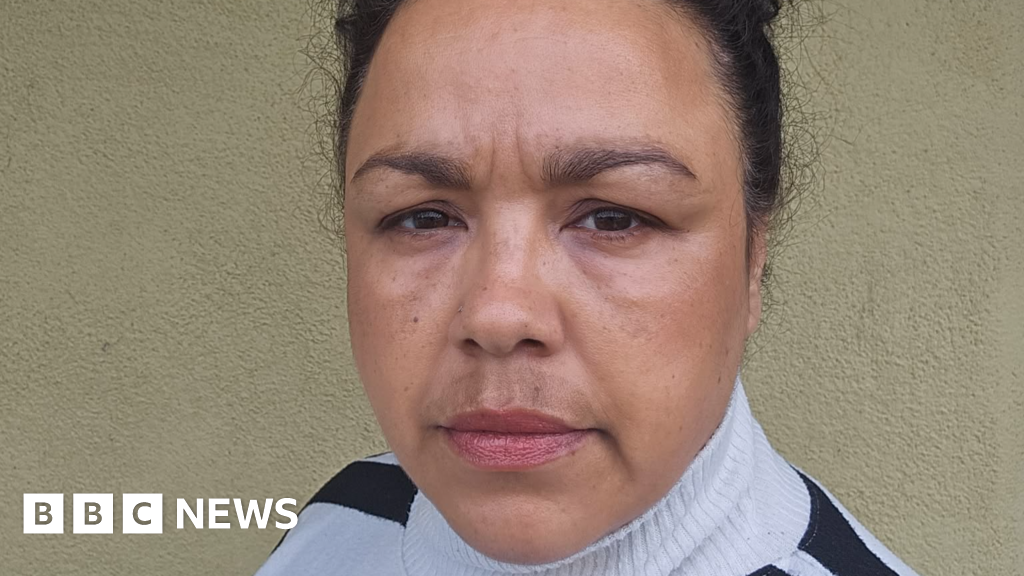
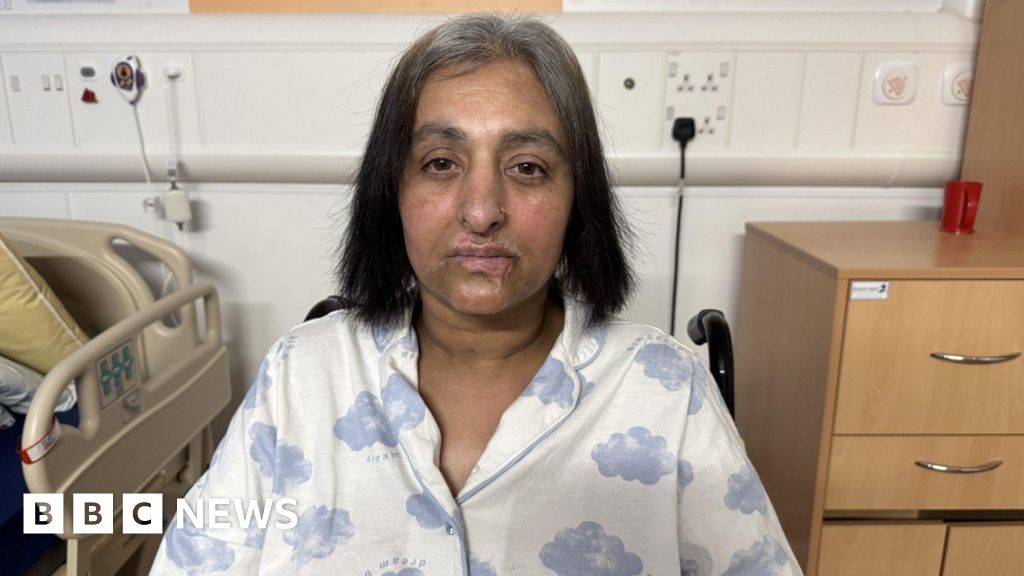
A copy of the letter was personally delivered to Downing Street on February 11th by several families who have suffered the profound loss of their children. Among them were Fiona Winser-Ramm and Dan Ramm, whose daughter, Aliona, tragically died in January 2020 at Leeds General Infirmary. A subsequent inquest into Aliona’s death identified "a number of gross failures" that were found to have "directly contributed" to her demise.
Reflecting on past interactions, Ms. Winser-Ramm expressed a disconnect between the assurances given by the Health Secretary and the tangible progress of the inquiry. "When we’ve met with the secretary of state, he is often saying the right things to us," she stated. "But it isn’t translating into what is proposed for the inquiry by the Department of Health." This sentiment underscores the deep-seated anxieties and the urgent need for tangible action and transparency.
The protracted delay in establishing the Leeds maternity inquiry has amplified the distress of families who have already endured immense suffering. The perceived lack of progress and the uncertainty surrounding the appointment of a suitable chair have eroded their confidence in the process, leading to a desperate appeal for higher intervention. The families’ demand for truth and accountability is paramount, and the current situation highlights the critical need for swift and decisive action to ensure that justice is served and that lessons are learned to prevent future tragedies.
The BBC’s initial investigation into Leeds Teaching Hospitals NHS Trust brought to light a pattern of concerning outcomes for mothers and babies. The report detailed instances where babies suffered stillbirth, severe harm, or death due to what families and their legal representatives have described as systemic failures in care. These failures allegedly include inadequate monitoring of fetal wellbeing, insufficient staffing levels, poor communication among clinical teams, and a reluctance to escalate concerns when complications arose. The scale of the issue, with at least 56 deaths over five years, indicates a problem that extends beyond isolated incidents and suggests potential institutional shortcomings within the trust.
The appointment of an independent chair with a proven track record in conducting sensitive and complex investigations is crucial for the credibility of the inquiry. The families have expressed a clear preference for individuals who possess a deep understanding of maternity care and a commitment to patient safety. Donna Ockenden’s extensive experience in overseeing the Nottingham inquiry, which is also examining a significant number of cases of adverse outcomes, makes her a highly sought-after candidate. Her leadership style, which has been praised for its empathy and thoroughness, aligns with the families’ desire for a process that is both rigorous and compassionate.
The involvement of MPs in writing to Downing Street signifies the gravity of the situation and the widespread concern that extends beyond the directly affected families. It highlights the pressure on the government to address the failings in maternity care and to ensure that all necessary steps are taken to rectify the situation. The letter’s direct critique of the Health Secretary’s handling of the inquiry underscores the perceived disconnect between ministerial rhetoric and departmental action.
The Prime Minister’s office now faces a critical juncture, with the families’ plea for intervention and the potential appointment of a highly respected figure like Donna Ockenden. The government’s response will be closely scrutinised, not only by the families involved but also by the wider public who are increasingly concerned about the safety of maternity services across the NHS. The promise of truth and accountability hinges on the swift and effective establishment of an inquiry that can provide the answers and reassurance that these grieving families so desperately need.
The impact of these tragedies extends far beyond the immediate loss of life. For the families, the journey through the healthcare system, often followed by a protracted and emotionally draining quest for answers, can lead to profound psychological distress, including complex grief, anxiety, and depression. The perceived lack of transparency and the ongoing delays in the inquiry process can exacerbate these challenges, prolonging their suffering and hindering their ability to move forward. The inquiry must not only identify the causes of these deaths but also provide a pathway for healing and reconciliation.
Furthermore, the implications of the Leeds maternity care failings extend to the broader NHS. A thorough and independent inquiry has the potential to identify systemic issues that may be present in other trusts, leading to wider reforms in maternity care practices, training, and governance. The findings of such an inquiry could inform national policy, driving improvements in the quality and safety of care for all expectant mothers and newborns. The current delays not only prolong the suffering of the Leeds families but also postpone the opportunity for crucial learning and systemic improvement across the NHS.
The families’ determination to seek the truth, despite their immense pain, serves as a powerful testament to their resilience and their commitment to ensuring that other families do not have to endure similar heartbreak. Their ongoing efforts to hold the system accountable are crucial in driving the necessary changes within the NHS. The upcoming meeting between Wes Streeting and the families represents a critical opportunity to demonstrate a renewed commitment to transparency, accountability, and, most importantly, to delivering the truth that these families so profoundly deserve. The path forward requires not just words, but demonstrable action and a genuine commitment to rebuilding trust. The eyes of the nation will be on the Department of Health and the government as they navigate this sensitive and critical situation.


 Nana Banana
 atisusanti
 Nakalama John
 George Anjay