
 Nakalama John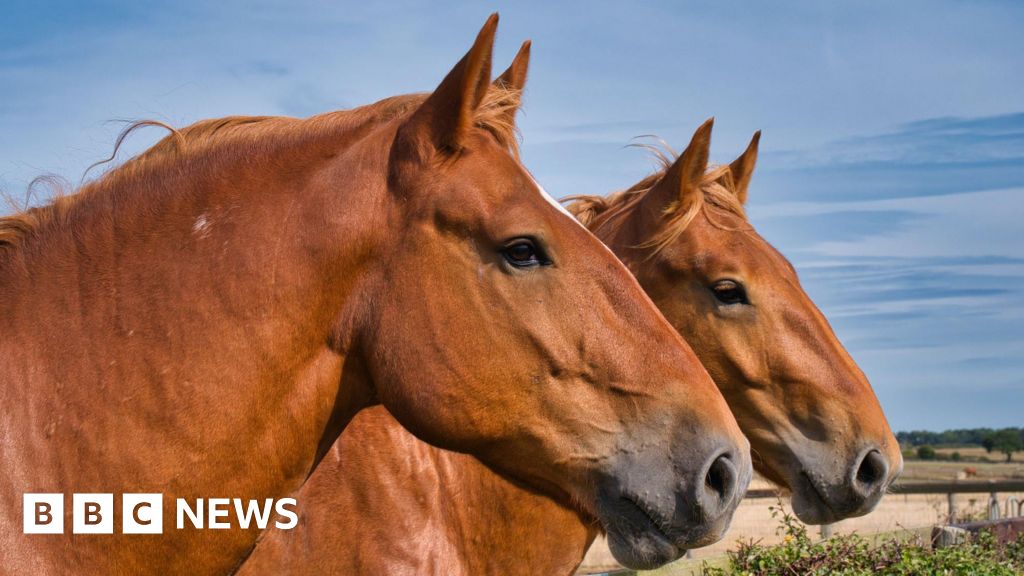
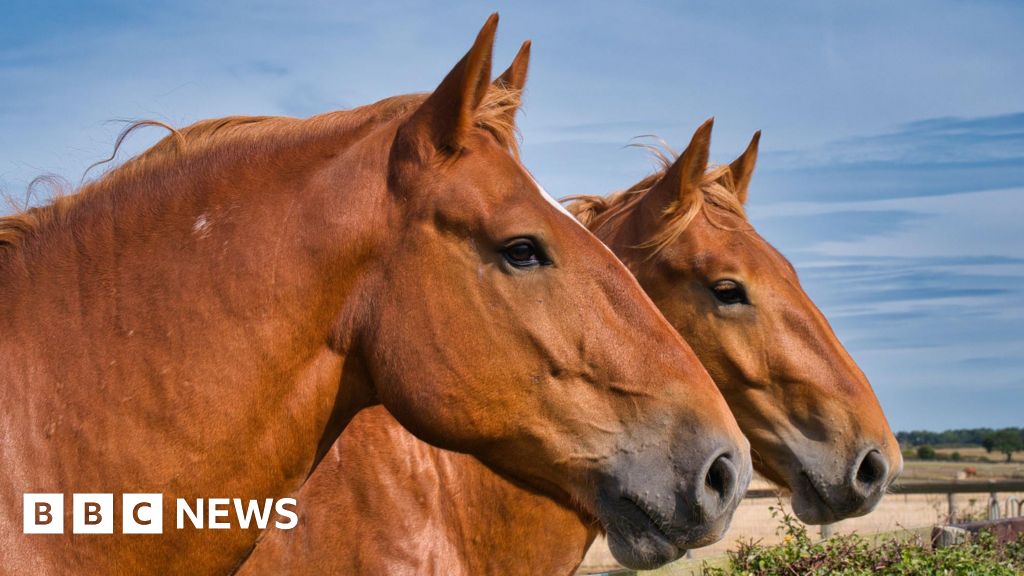
For centuries, the Hollesley stud has been a bastion for the magnificent Suffolk Punch, a breed instantly recognisable by its distinctive chestnut coat and powerful, compact build. Established in 1759, it stands as the longest-established stud singularly dedicated to this unique equine heritage. However, even institutions with such deep historical roots and critical conservation mandates are not immune to the "harsh realities of the current economic climate," as stated by the Trust in its public announcement.
The Suffolk Punch, affectionately known as the "Punch" due to its sturdy and broad conformation, is a symbol of British agricultural history. Bred specifically for farm work in the heavy clay soils of East Anglia, these horses were renowned for their immense strength, docile temperament, and exceptional work ethic. Unlike other heavy horse breeds, the Suffolk Punch has maintained a consistent appearance throughout its history, with all purebreds tracing their lineage back to a single stallion, "Crisp’s Original Horse," foaled in 1768. This narrow genetic base, while historically significant, also underscores the fragility of the breed’s current status.
The Rare Breeds Survival Trust (RBST) classifies the Suffolk Punch as "critically endangered," a stark warning that its numbers are perilously low. Estimates suggest that only a few hundred breeding mares exist globally, making every successful foaling a triumph and every breeding programme, like that at Hollesley, absolutely indispensable. The Trust’s mission extends beyond mere breeding; it encompasses the meticulous management of genetic diversity, the sharing of expertise, and the passionate advocacy for the breed’s continued survival. The closure of public-facing facilities therefore represents a profound shift, signaling a need to consolidate resources to protect the very heart of their operation – the horses themselves.
The economic challenges facing the Trust are multifaceted and reflect a broader trend impacting heritage charities and animal welfare organisations across the UK. Soaring inflation has driven up the cost of essential supplies, from feed and bedding to veterinary medicines and farrier services. Energy bills, crucial for maintaining stables, offices, and visitor amenities, have seen unprecedented hikes. Furthermore, the cost of labour, insurance, and general maintenance for a large, historic site like Hollesley has become increasingly unsustainable. Charitable income, often reliant on donations, grants, and visitor spending, has struggled to keep pace with these escalating operational expenses.
"Like many other charities and businesses having to respond to the harsh realities of the current economic climate," the Trust’s announcement elaborated, "The Suffolk Punch Trust has decided to restructure its operations to focus on the future development of the Trust’s Colony Stud." This restructuring implies a strategic pivot, prioritising the core breeding program and the welfare of the horses above all else. While the closure of the visitor centre, café, and shop will undoubtedly impact revenue generated from tourism and retail, it is seen as a necessary measure to ensure the long-term "economic sustainability" of the stud itself.
The "forward-looking plans" for the Colony Stud, even in a "slightly slimmed-down form," are intended to build upon its successful track record. This likely means a greater emphasis on grant applications, targeted fundraising campaigns, and potentially new models for public engagement that do not require the overhead of a full-scale visitor attraction. For instance, the Trust might explore more exclusive, pre-booked tours, educational partnerships with schools and universities, or enhanced online content to continue raising awareness and garnering support for the breed. The objective is clear: to ensure the unbroken chain of Suffolk Punch breeding at Hollesley, which has now spanned over 265 years, continues far into the future.
The impact of this decision extends beyond the Trust itself. The visitor centre, café, and shop at Hollesley were not just sources of income; they were vital touchpoints for the public to connect with these magnificent animals and learn about their plight. For many, a visit to the Suffolk Punch Trust was an educational and inspiring experience, offering a tangible link to a bygone era of farming and a powerful lesson in conservation. The closure will undoubtedly affect local tourism, potentially reducing footfall to other businesses in the area, and will be keenly felt by the community of volunteers and staff who have dedicated their time and effort to the Trust’s public engagement efforts. The emotional toll on those who have worked tirelessly to keep the centre vibrant for visitors cannot be overstated.
Despite these changes, the Trust’s unwavering commitment to the Suffolk Punch remains paramount. The critically endangered status of the breed means that every individual horse, and indeed every breeding decision, carries immense weight. The Hollesley stud serves as a crucial genetic reservoir, contributing to the diversity and resilience of the breed as a whole. Its work is not merely about maintaining numbers but about ensuring the health and viability of the Suffolk Punch for generations to come.
As the Trust navigates this challenging period, the call for public support becomes even more urgent. Donations, sponsorships of individual horses, and advocacy for rare breed conservation will be crucial in helping the Suffolk Punch Trust weather the economic storm and continue its invaluable work. While the public interface may be changing, the silent, tireless dedication to preserving one of Britain’s most iconic and vulnerable animal treasures will undoubtedly endure. The hope is that by making these difficult but strategic cutbacks, the heart of the Suffolk Punch conservation effort at Hollesley can beat stronger than ever, securing the future of this magnificent horse against all odds.




 Ramos Leo
 Roy Suryo
 atisusanti

 Nana Banana