
 Roy Suryo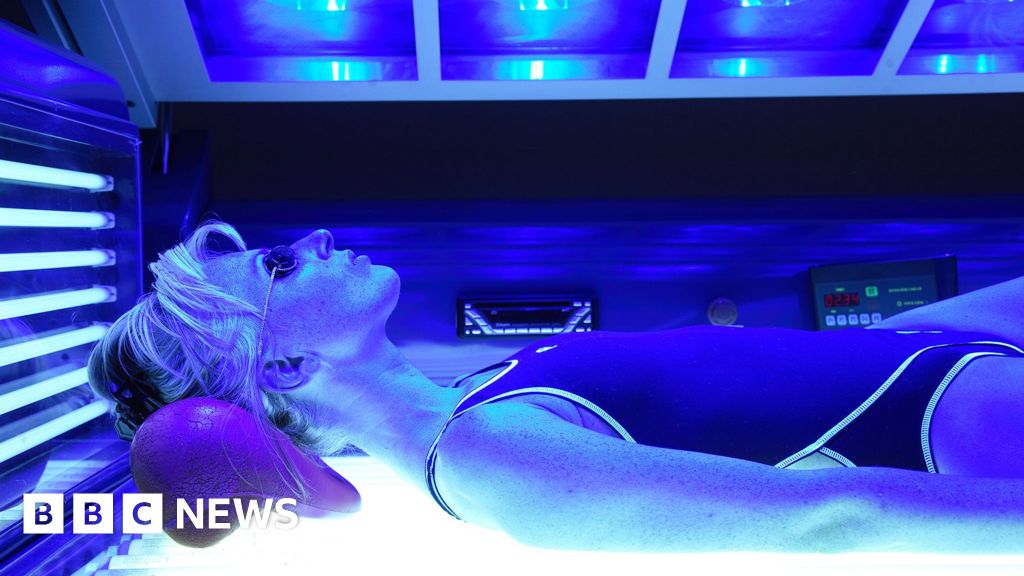
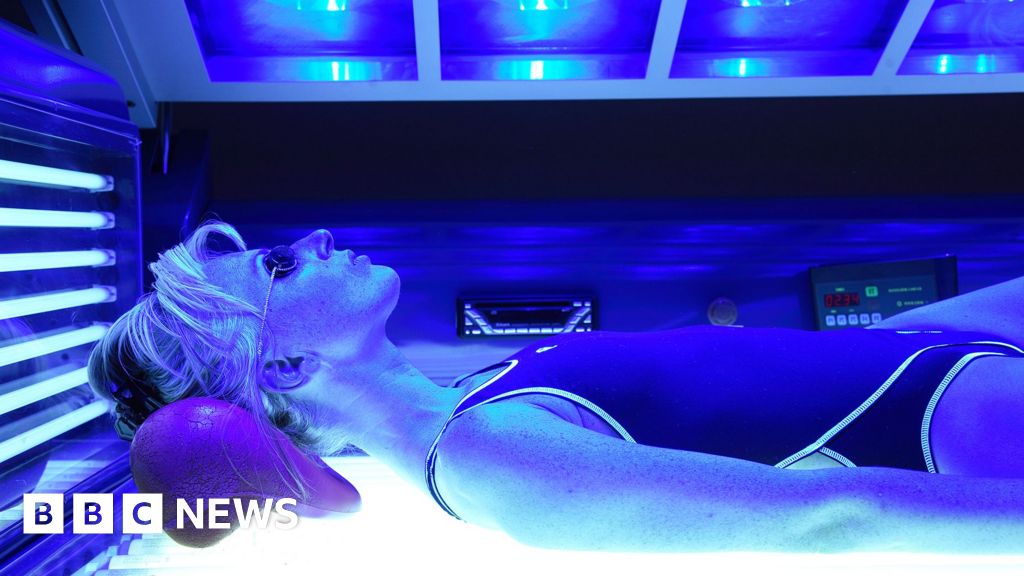
Health reporters Jim Reed and Sam Singh have uncovered a concerning trend: tanning companies are exploiting social media platforms like TikTok, Instagram, and Facebook to disseminate dangerous falsehoods about the health benefits of sunbeds, particularly targeting younger demographics. Hundreds of advertisements have been identified, peddling unsubstantiated claims that sunbeds can boost energy levels, treat various skin conditions, and even alleviate mental health issues.
One particularly alarming advertisement suggested that a mere "eight minutes" on a sunbed could provide immunity against colds and flu. Another audacious claim purported that UV rays could "stimulate the thyroid gland" to aid in weight loss. These assertions have been met with strong condemnation from health authorities. The government has branded such claims as "irresponsible" and "potentially dangerous," while an NHS dermatologist described the prevalence of sunbed misinformation online as "genuinely terrifying."
These findings emerge in the wake of the Advertising Standards Authority (ASA) banning six tanning advertisements for making unsubstantiated health claims or suggesting that sunbeds are safe. Cancer charities and medical professionals are unequivocal about the severe risks associated with sunbed use, directly linking these devices to elevated rates of melanoma and other forms of skin cancer. The World Health Organization (WHO) has established that commencing sunbed use before the age of 35 escalates the risk of developing melanoma by a staggering 59% later in life.
The Sunbed Association, representing a significant portion of the UK’s tanning salons, contests these findings, arguing that the ASA and WHO rely on "outdated data." However, the association does advocate for its members to refrain from using medical claims in their advertising. The demographic most heavily represented among sunbed users in the UK is young people. A 2025 YouGov survey revealed that approximately one in seven individuals aged 18 to 24 reported using a sunbed in the past year, a rate double that of the general population. Further data indicates that nearly a quarter of individuals under 25 mistakenly believe that sunbeds actually reduce the risk of developing skin cancer.
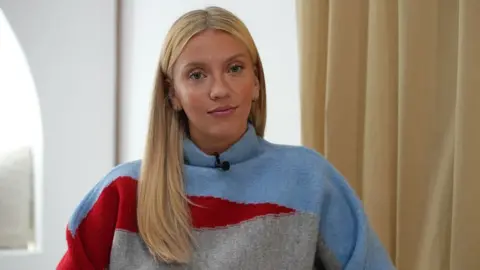
Kass Barker, now 22, was diagnosed with melanoma after having a suspicious mole on her wrist examined. While she cannot definitively pinpoint the cause of her cancer, she suspects that her regular sunbed use, including weekly sessions throughout winter, increased her risk. She recalls her and her friends rationalizing their tanning habits by claiming they were seeking "a few minutes of vitamin D." The NHS unequivocally states that sunbeds should never be used for this purpose.
Cancer charities are deeply concerned about the unchecked spread of harmful health messages online. Rosie Vare, health information manager at the Teenage Cancer Trust, expressed alarm: "So many videos on social media are just repeating misinformation and encouraging the use of something that has been proven to cause cancer. We would really encourage young people to think about where your information is coming from, who is creating this information, and whether you can trust them."
‘Genuinely Terrifying’ Claims of Health Benefits
During January, the BBC conducted a comprehensive search across TikTok, Instagram, and Facebook for videos pertaining to winter tanning and meticulously examined the online presences of UK sunbed companies. This investigation unearthed over 200 distinct advertisements that appeared to make unsubstantiated health claims, with the majority originating from individual salons or smaller chains.
One viral TikTok video, which garnered 18,000 likes, erroneously asserted that "doctors prescribe sunbeds" for an array of conditions, including "vitamin D deficiency, seasonal depression, and skin disorders." These assertions have been vigorously refuted by health experts. Vitamin D is naturally synthesized by the body through sun exposure or by consuming specific foods. Although some sunbeds emit UVB rays, which the body can utilize to produce vitamin D, the WHO cautions that they are an inefficient source of this nutrient. The NHS recommends a balanced diet and supplements as safer alternatives.
The British Association of Dermatologists and other medical specialists strongly advise against using commercial sunbeds for treating skin conditions. While certain light therapies are employed in hospital settings for conditions like eczema, psoriasis, and acne, these treatments are highly specialized, delivering precisely calibrated UV rays under strict medical supervision, a stark contrast to the unregulated use of sunbeds.
Further investigation revealed Instagram videos making claims that sunbeds could facilitate weight loss and "increase serotonin levels" to combat mood disorders and depression. The Obesity Health Alliance has decried the suggestion that tanning beds can induce weight loss as "outrageous." Similarly, mental health charity Mind has labelled claims about treating anxiety or seasonal affective disorder as "irresponsible and harmful."
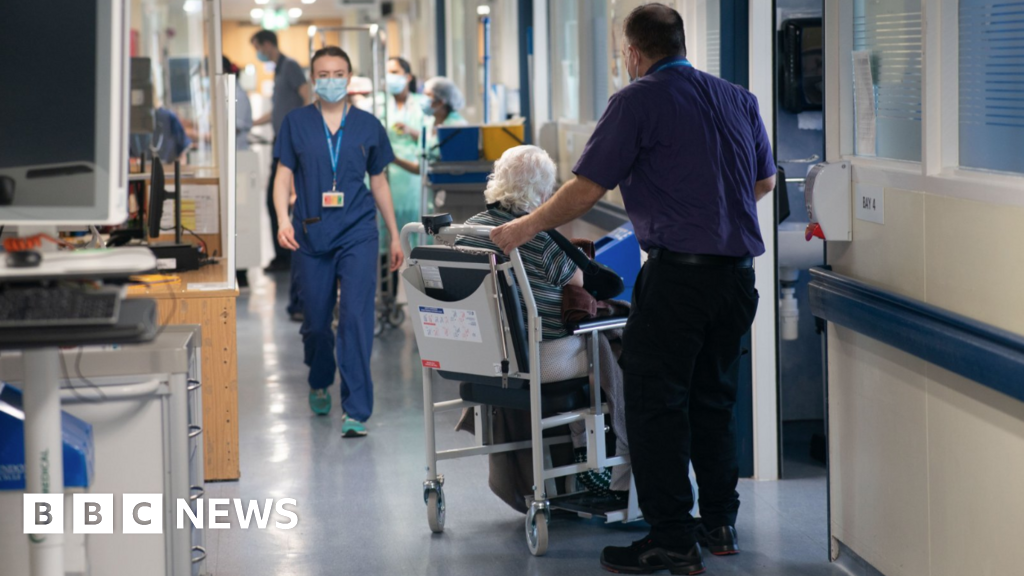
Dr. Amy Perkins, an NHS dermatologist from Stirling who has lodged complaints with the advertising watchdog regarding online material, stated, "The amount of misinformation on social media is genuinely terrifying. And it’s so important because the numbers being diagnosed with skin cancer are rising year-on-year, with a staggering impact on our health services."

Downplayed Cancer Risks
The online advertising landscape also features content that minimizes or outright dismisses the health risks associated with sunbeds, promoting tanning sessions as safe or low-risk. A survey conducted by the charity Melanoma Focus revealed that approximately 23% of individuals aged 18-25 hold the mistaken belief that sunbed use actually decreases the risk of skin cancer. This is in direct contradiction to the WHO, which has classified tanning beds in the highest cancer-risk category, placing them alongside substances like smoking, asbestos, and alcohol.
Cancer Research UK estimates that nearly nine out of ten melanoma cases in the UK could be prevented through sun safety practices and by avoiding sunbeds. The British Association of Dermatologists, which advocates for a complete ban on these devices, attributes approximately 100 deaths annually to sunbed use. Since the early 1990s, melanoma cases in the UK have surged by roughly 250%. While this increase is primarily observed in older age groups, approximately 1,000 individuals under the age of 30 are diagnosed with some form of skin cancer each year, with rates being higher among young women.
‘We Are Selling a Tan – We Are Not Doctors’
In response to these concerns, the ASA is currently developing new guidance for tanning salons, slated for publication in March. Jess Tye, the ASA’s regulatory projects manager, emphasized, "Our main message to anyone in the industry is, don’t claim that sunbeds are safe, don’t claim they provide health benefits, and don’t claim they can be used to treat medical conditions."
Sunbeds remain legal and are subject to regulation across all parts of the UK, with stipulated limits on the intensity of UV light emitted and a prohibition on use by individuals under 18. Last month, the government announced its intention to implement stricter regulations in England, including enhanced ID checks and mandatory health warnings in salons, measures already in place in other UK regions.
The Sunbed Association maintains that its members train staff to identify and screen out high-risk customers, particularly those with very fair skin. Under its guidelines, individuals are typically limited to purchasing a maximum of 60 sessions per year. Chairman Gary Lipman stated he would "encourage members not to make health claims. Tanning salons are selling a tan – we are not doctors. I think some of these claims are going too far."
However, the association also contends that health bodies and the ASA exaggerate the risks associated with sunbeds, arguing that stricter regulations offer better consumer protection. They cite research, including a 2024 study from the University of Edinburgh, which suggests that UV-ray exposure, from either sunshine or sunbeds, may be linked to a reduced risk of mortality from heart disease and cancer. Nevertheless, dermatologists and cancer specialists have criticized the industry’s interpretation of such research, and the ASA ruled last year that it should not be used to imply that sunbeds offer health benefits.
In separate statements, TikTok confirmed its policy of removing content that violates its guidelines on harmful misinformation. Meta, the parent company of Instagram and Facebook, stated that it would investigate any videos brought to its attention by the BBC.



 Ramos Leo
 Nakalama John
 atisusanti

 George Anjay