Nana Banana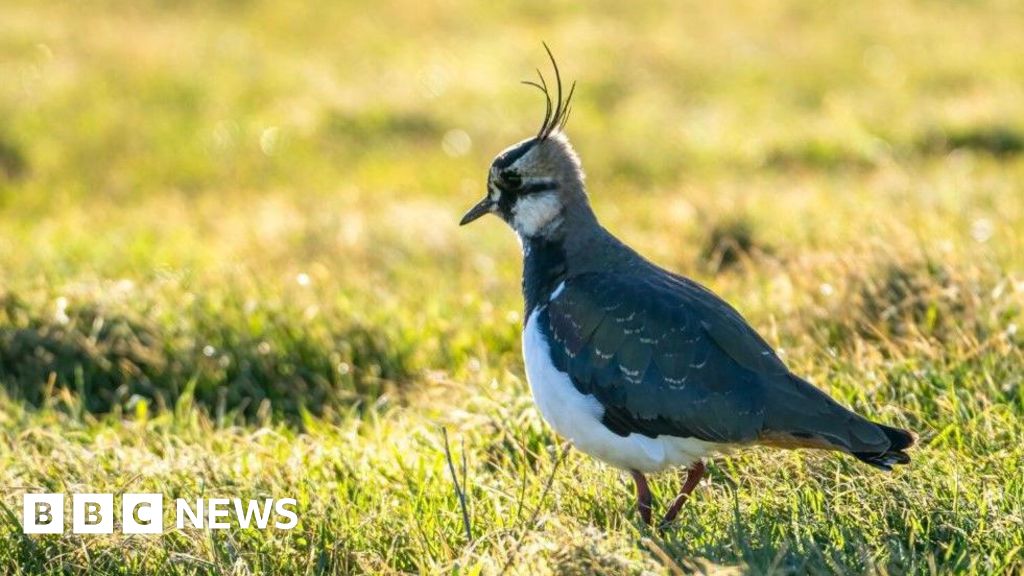
These robust lighters, historically tasked with ferrying essential commodities like coal, building materials, and food supplies from the Port of London, have now been given an extraordinary second life. After decades of quiet repose, moored in Essex waterways following their retirement, these vessels have undergone a remarkable metamorphosis. Each barge, measuring between 20 and 32 metres long (approximately 66 to 105 feet) – comparable in length to several double-decker buses – was meticulously prepared, cleaned, and rendered seaworthy once more for their final, purposeful journey.
The intricate process involved towing these substantial craft to their designated positions on the inter-tidal mudflats, carefully setting them onto a pre-prepared platform of sediment. To ensure their permanence and stability, strategic holes were cut into their hulls, allowing them to gently settle and become submerged. Following this, the barges were thoroughly filled and covered with vast quantities of sediment, primarily mud sourced from the estuary itself, effectively weighing them down and integrating them into the existing landscape. This meticulous engineering has laid the foundation for a burgeoning new land mass, strategically positioned on the periphery of the established saltmarsh at Northey Island.
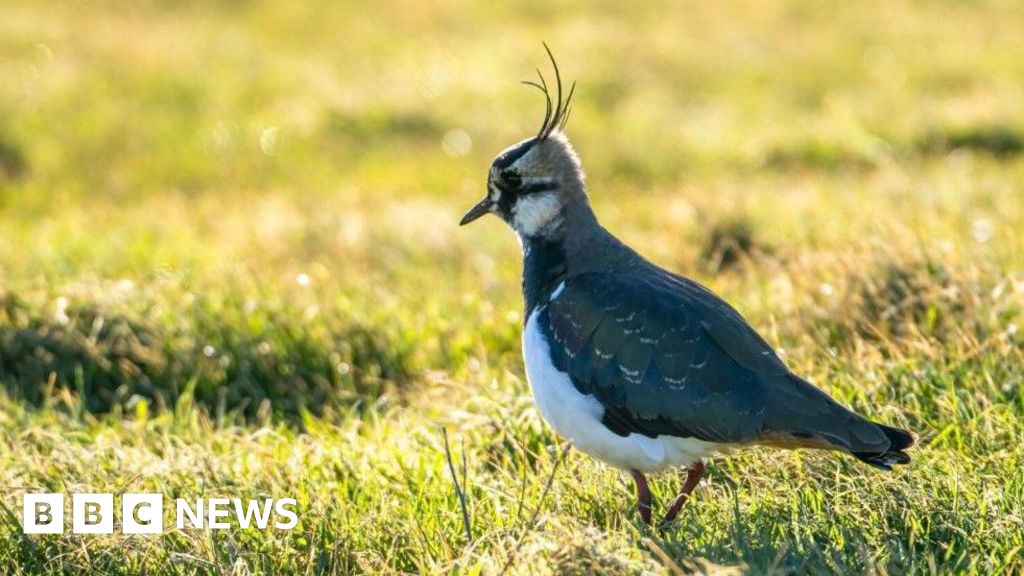
The resulting landform, once fully established with a layer of gravel on its surface, is designed to safely rise above the highest tides, creating an undisturbed refuge. This elevated sanctuary is specifically engineered to provide critical nesting and roosting grounds for a host of wading birds and wildfowl, including species whose numbers have been dwindling dramatically across the UK. Among the expected beneficiaries are the endangered dunlin, the distinctive curlew, the nimble ringed plover, and the charismatic lapwing – all species in urgent need of safe, predator-free havens away from human disturbance and the encroaching impacts of coastal change.
The National Trust describes this endeavour as one of several "innovative, nature-based solutions" being deployed to safeguard Northey Island, a site of profound historical and ecological importance. Northey Island itself holds a special place in the Trust’s history, being its first coastal property acquired in 1896, and is renowned for its tranquil beauty and rich biodiversity. The island, along with the wider Blackwater Estuary, is designated as a Site of Special Scientific Interest (SSSI), a Special Protection Area (SPA), and a Ramsar site, underscoring its international significance for migratory birds and rare habitats. The estuary’s expansive mudflats and saltmarshes support internationally important populations of wintering wildfowl and waders, making the creation of new, resilient habitats paramount.
A primary driver behind this audacious project is the escalating threat of rising sea levels and the consequent rapid loss of vital saltmarsh habitats. Saltmarshes are crucial ecosystems, acting as natural sea defences by absorbing wave energy, preventing erosion, and protecting inland areas from storm surges. They also serve as vital nurseries for fish and crustaceans and carbon sinks, storing significant amounts of atmospheric carbon. However, these dynamic coastal environments are increasingly squeezed between rising tides and human infrastructure, leading to a phenomenon known as ‘coastal squeeze’ and rapid degradation. The newly formed island, by providing a robust physical barrier, is expected to significantly reduce the erosion of the existing saltmarsh at Northey Island, bolstering its resilience against the relentless forces of the sea.
Katy Gilchrist, coastal project manager for the National Trust, encapsulated the spirit of the project, stating, "This is the ultimate act of marine recycling – transforming retired industrial vessels into a sanctuary for wildlife. We’re basically turning history into habitat, and as far as we know, no-one has attempted anything quite like this before." Her words highlight not only the environmental benefits but also the imaginative repurposing of industrial heritage, breathing new life into structures that once served human industry, now serving nature. The ingenuity lies in utilizing the inherent strength and form of the barges as a stable, long-lasting foundation upon which a new, thriving ecosystem can flourish.
The engineering challenge was considerable. The barges had to be meticulously prepared, not just cleaned but also structurally reinforced to withstand the rigours of towing and their final submersion. Marine contractors had to navigate the complex tidal patterns and currents of the Blackwater Estuary, ensuring precise positioning. Once in place, the strategic cutting of holes and the controlled filling with sediment were critical steps to ensure the vessels settled evenly and securely, becoming an integral part of the estuarine bed. This "bold marine engineering feat" represents a sophisticated blend of ecological foresight and practical execution.
Once complete, the new island will add a substantial 0.55 hectares (approximately 1.4 acres) of new habitat within the Blackwater Estuary – an area roughly the size of a professional football pitch. This considerable addition to the existing inter-tidal zone will offer a high-tide refuge, allowing birds to rest and conserve energy during periods when their usual feeding grounds are submerged. For species like the curlew, whose distinctive calls are becoming rarer across the UK, and the lapwing, known for its acrobatic flight and iridescent plumage, such undisturbed spaces are essential for their survival and successful breeding. Dunlin and ringed plover, smaller waders that probe the mud for invertebrates, also require safe roosts away from disturbance and predation. The island will also provide a safe space for other birds, such as the Brent geese, a winter visitor to the Blackwater Estuary, which feeds on the rich mudflats.
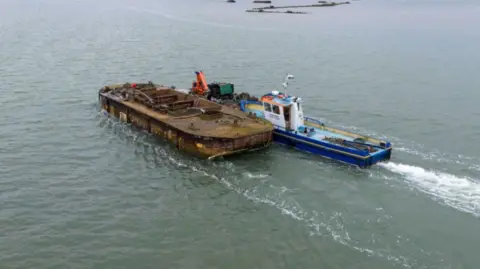
Matt Wilson, countryside manager for the National Trust, underscored the ecological imperative of the project: "The new island, located just off the eastern shore of Northey, will provide a refuge for birds above the highest tides and away from disturbance on shore, acting as a lifeline for birds that are running out of safe spaces to nest and rest." He further elaborated on the dual benefit, adding, "As well as creating a new habitat for birds, the island will also help to reduce erosion of the existing saltmarsh at Northey Island." This integrated approach addresses both habitat creation and coastal protection, demonstrating a holistic understanding of the challenges facing coastal environments.
The success of such an innovative and complex undertaking hinges on robust collaboration. The National Trust has worked in close partnership with a consortium of expert organisations, each bringing crucial knowledge and resources to the table. Key collaborators include the Environment Agency, responsible for managing flood and coastal risk, and Natural England, the government’s adviser for the natural environment. Also integral to the project are the Maldon Harbour Improvement Commissioners, who oversee local maritime activities, specialist engineering and environmental consultants Royal Haskoning DHV, providing critical design and planning expertise, and specialist marine contractors Landbreach Ltd, executing the challenging on-site work. This multi-agency approach exemplifies how diverse expertise can converge to deliver ambitious nature-based solutions to pressing environmental challenges.
This pioneering project at Northey Island stands as a powerful testament to creative conservation, showcasing how human ingenuity can transform discarded elements of our industrial past into vibrant, living ecosystems. By embracing "marine recycling" and "turning history into habitat," the National Trust and its partners are not only securing a future for endangered bird species but also providing a vital defence against the impacts of climate change, offering a beacon of hope for sustainable coastal management across the UK and beyond.


 atisusanti
 Nakalama John
 George Anjay