atisusanti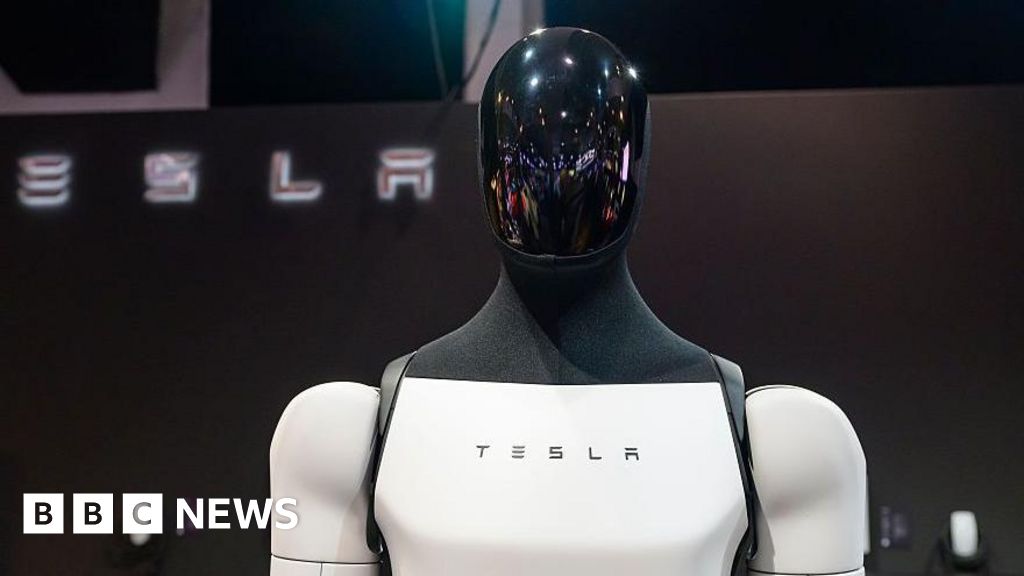
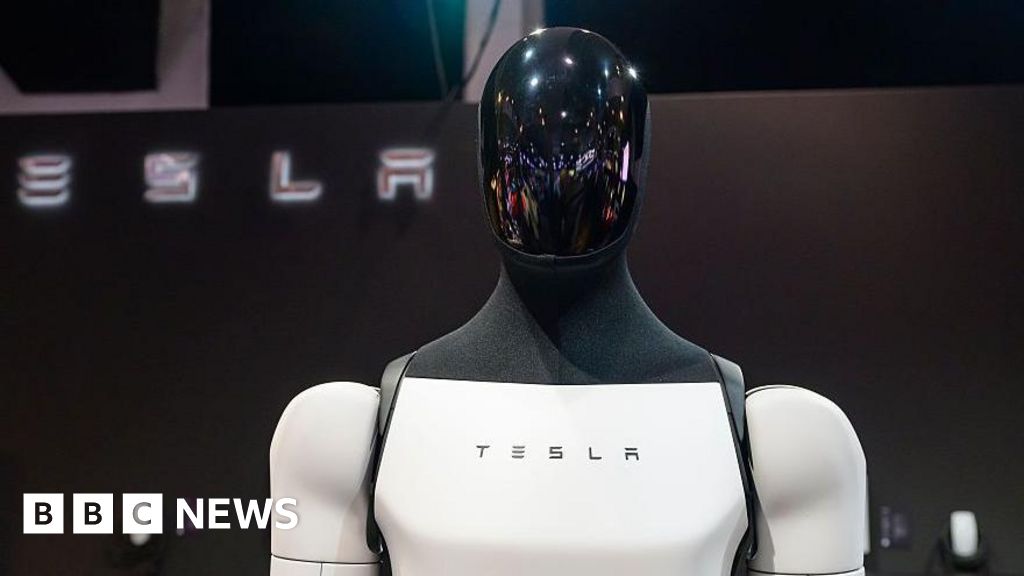
Tesla’s annual revenue has experienced its first-ever decline, a significant downturn attributed to the electric vehicle (EV) giant’s strategic pivot towards artificial intelligence (AI) and robotics. The company, helmed by the enigmatic multi-billionaire Elon Musk, reported a 3% decrease in total revenues for the fiscal year 2025, with profits plummeting by a stark 61% in the final quarter of the year. This financial recalibration is accompanied by a significant shake-up in its automotive production strategy, with Tesla announcing the cessation of production for its premium Model S and Model X vehicles. The manufacturing facilities in California previously dedicated to these flagship cars will be repurposed to accelerate the production of its highly anticipated line of humanoid robots, collectively known as Optimus.
This strategic shift occurs against a backdrop of increasing competition in the EV market, evidenced by China’s BYD overtaking Tesla as the world’s largest EV manufacturer in January. Furthermore, Elon Musk’s increasingly prominent and often controversial involvement in political spheres, both domestically in the US and on the international stage, has undeniably cast a shadow over the company’s public perception and, at times, its customer base. Adding another layer to Tesla’s evolving business model, the company has revealed a substantial $2 billion (£1.45 billion) investment in xAI, Musk’s burgeoning artificial intelligence venture. Musk addressed investor concerns regarding this investment, stating, "A lot of investors asked us to do this. They say we should invest in xAI, so we’re just doing what shareholders asked us to do pretty much." This assertion, however, comes despite a recent shareholder vote where abstentions and dissenting votes outnumbered those in favor of Tesla’s participation in xAI’s latest funding round, highlighting a potential divergence between leadership’s pronouncements and shareholder sentiment.
This latest financial report and strategic reorientation also follow a period of intense scrutiny regarding executive compensation. Last year, investors overwhelmingly approved a record-breaking pay package for Musk, the world’s wealthiest individual, with a potential valuation nearing $1 trillion. The conditions tied to this payout necessitate a dramatic increase in the firm’s market value over the next decade, a formidable undertaking that undoubtedly influences the company’s aggressive investment strategies. To support these ambitious goals, Tesla is also preparing for a significant ramp-up in capital expenditure, estimated to reach $20 billion. Musk underscored the magnitude of this impending investment during a call with analysts, remarking, "It’s going to be a very big [capital expenditure] next year. We’re making big investments for an epic future." Despite the headwinds, Tesla shares saw a modest increase of approximately 2% in extended trading following the announcement.
Musk’s foray into politics, including a high-profile role in cost-cutting initiatives within the Trump administration, has been a significant factor influencing public opinion and, consequently, Tesla’s market dynamics. His political activities have, in certain instances, alienated segments of Tesla’s customer base, leading to protests at dealerships globally. This strategic pivot away from its core EV identity also coincides with a period of policy shifts, such as the Trump administration rescinding certain US government subsidies for non-fossil fuel vehicles, which could impact the EV market landscape.
Tesla, once a trailblazer and one of the most profitable entities in the automotive sector, has also been actively pursuing advancements in the realm of robotaxis, signaling an ambition to diversify beyond traditional vehicle manufacturing. This strategic expansion into new business frontiers is occurring as analysts point to a potential aging of Tesla’s current electric vehicle lineup. Jessica Caldwell, Head of Insights at Edmunds, commented on the strategic decision to discontinue the Model S and Model X, stating, "The Model S and Model X have been low-volume vehicles for Tesla for a while now. From a portfolio and focus standpoints, it makes sense to drop them and concentrate on higher-volume products like the Model 3 and Model Y, along with other business expansion bets." This sentiment suggests that the discontinuation of these less popular models is a pragmatic move to streamline production and allocate resources more effectively towards models with broader market appeal and the company’s burgeoning ventures in AI and robotics.
The company’s ambitious pursuit of AI and robotics signifies a profound transformation, aiming to leverage its technological prowess beyond the automotive sector. The Optimus robot, envisioned as a general-purpose humanoid, represents a significant leap into a future where robots play an integral role in various industries and potentially in everyday life. The investment in xAI further solidifies Tesla’s commitment to advancing AI capabilities, which could have far-reaching implications for its autonomous driving technology, manufacturing processes, and future product development. This strategic diversification, while presenting new opportunities, also introduces new challenges and risks, particularly in highly competitive and rapidly evolving fields like AI and robotics. The success of this pivot will depend on Tesla’s ability to execute its ambitious plans, navigate the complexities of these new markets, and maintain investor confidence amidst a shifting global economic and technological landscape. The company’s ability to successfully integrate AI and robotics into its core operations and develop innovative new products will be crucial in determining its long-term trajectory and its ability to regain its position as a dominant force in technological innovation. The decision to shift manufacturing capacity from high-end vehicles to robotic production underscores a bold vision for the future, one that prioritizes advanced automation and artificial intelligence as the next frontiers of growth and profitability. This move signals a potential paradigm shift, where Tesla may become as renowned for its robotic endeavors as it is for its electric vehicles. The investment in xAI, in particular, positions Tesla at the forefront of AI research and development, aiming to harness the power of advanced algorithms to drive innovation across all its business segments. The future of Tesla, therefore, appears to be increasingly intertwined with the advancements in artificial intelligence and the burgeoning field of robotics, marking a significant departure from its origins as a pure electric vehicle manufacturer.



 Nakalama John
 George Anjay
 Ramos Leo