Nana Banana
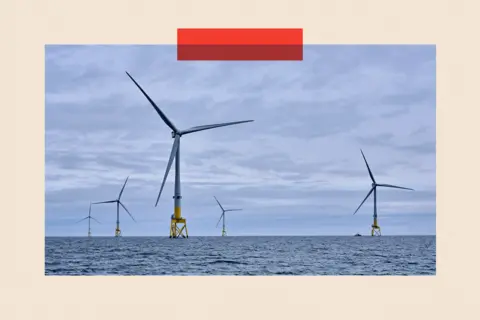
Consider a typical early morning, like 1am on 3 June. A near gale-force wind was blasting into Scotland, seemingly perfect conditions for the colossal Moray East and West offshore wind farms. These immense installations, featuring some of the UK’s largest turbines at 257m high, were poised to operate at maximum capacity, generating enough power to meet the electricity needs of a significant portion of the country. However, the reality of Britain’s energy infrastructure meant this potential remained largely untapped.

The seamless flow of electricity from generator to consumer, regardless of location, is a common misconception. The UK’s national grid, originally designed to distribute power from coal and gas plants strategically located near major population centres, is ill-equipped for the distributed, often remote, nature of modern renewable generation. Vast offshore wind farms and expansive solar arrays in rural areas frequently find themselves producing more electricity than the existing transmission lines can physically carry to where it’s needed, particularly in the densely populated south. This creates significant bottlenecks and leads to expensive consequences for consumers.
The core of the problem lies in what are known as "constraint payments" or "curtailment payments." When the grid cannot accommodate the electricity being generated by a particular plant due to insufficient transmission capacity, the National Electricity System Operator (NESO) — the body responsible for balancing the grid — must instruct that generator to reduce or halt its output. To compensate these firms for the lost revenue, they receive substantial payments. For instance, on that same early morning of 3 June, Ocean Winds was paid a staggering £72,000 for just a half-hour period to not generate power from its Moray Firth wind farms because the system was overloaded. This was not an isolated incident but one of several restrictions imposed on their output that day.

The irony deepens when considering what happens concurrently. At the very moment Scottish wind farms were being paid to stand idle, gas-fired power stations elsewhere were being compensated to ramp up production. Forty-four miles east of London, for example, the Grain gas-fired power station on the Thames Estuary received £43,000 to supply more electricity during that same half-hour slot. Such balancing acts occur almost daily, painting a stark picture of the system’s inherent inefficiencies. Analysis by Octopus Energy reveals that Seagreen, Scotland’s largest wind farm, was paid an astonishing £65 million last year to restrict its output 71% of the time. This year alone, balancing the grid in this manner has already cost the country over £500 million. Projections from NESO indicate that these costs could skyrocket to nearly £8 billion annually by 2030, a burden ultimately borne by every household and business through inflated energy bills.
This escalating expenditure directly challenges the government’s promise that transitioning to net-zero would deliver cheaper electricity. While renewables now generate over half of the country’s electricity, the limitations in transmission mean that even on days with abundant wind or sunshine, gas-fired generation is almost always required to stabilise and supplement the system. And because gas tends to be more expensive, it frequently sets the wholesale price, undermining the cost-saving potential of renewables.

In response to this growing crisis, the government is contemplating a radical overhaul of the electricity market: a shift from a single, national electricity market to a system of smaller, regional markets, often referred to as "zonal pricing." The hope is that this could dramatically enhance efficiency and lead to lower bills. However, this is far from a guaranteed outcome, and while some regions might see significant reductions, others could face increased costs.
The theoretical benefits of zonal pricing are compelling, particularly for regions rich in renewable resources. Take Scotland, with its vast wind potential but relatively small population of 5.5 million. Under a zonal pricing model, on a windy day like 3 June, wind farms would not need to be paid to curtail production simply because the cables couldn’t carry all the electricity to England. Instead, they would be incentivised to sell that abundant, cheap power to local consumers. Proponents argue that this could lead to dramatically lower prices, with some Scottish customers potentially even receiving electricity for free on exceptionally windy days.
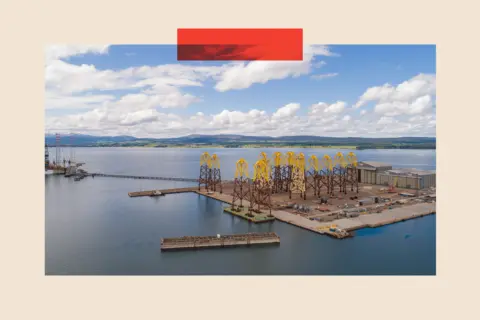
Other areas with high concentrations of renewable generation, such as Yorkshire, the North East, and parts of Wales, would also stand to benefit. As solar investment expands in regions like Lincolnshire and other parts of eastern England, these areas could also experience significant price drops. This influx of cheap, green power could be a game-changer for industrial development, attracting energy-intensive businesses like data centres, chemical companies, and manufacturing industries, thereby fostering regional economic growth.
For London and much of the south of England, electricity prices might occasionally be higher than in the renewable-rich north. However, advocates for zonal pricing suggest that a portion of the hundreds of millions of pounds saved nationally could be strategically used to ensure no consumer pays more than they currently do. Furthermore, these higher prices in demand-heavy areas could act as a powerful market signal, encouraging investors to build new wind and solar plants closer to major consumption centres. This would not only balance prices in the long run but also reduce the need for extensive new transmission infrastructure, meaning fewer new pylons scarring the countryside and further cost savings for everyone.
Greg Jackson, CEO of Octopus Energy, a major UK energy supplier, is a vocal proponent of this change. He argues that "Zonal pricing would make the energy system as a whole dramatically more efficient, slashing this waste and cutting bills for every family and business in the country." Research commissioned by Octopus Energy estimates that such a shift could deliver savings of over £55 billion by 2050, potentially knocking £50 to £100 off the average annual household bill. They point to Sweden, which successfully implemented regional pricing in just 18 months, as a precedent. The concept also enjoys support from NESO, Citizens Advice, the head of Ofgem (the energy regulator), and a recent recommendation from a House of Lords committee.
However, the proposed shift has met with fierce resistance from many businesses involved in developing and operating renewable energy plants. Tom Glover, UK chair of the German power giant RWE, expresses significant concerns: "We’re making billions of pounds of investments in renewable power in the UK every year… I can’t go to my board and say let’s take a bet on billions of pounds of investment." His primary worry is that altering the energy pricing mechanism could destabilise existing contracts, introduce revenue uncertainty, and ultimately undermine the government’s ambitious drive towards green energy.
The economics of renewable energy are heavily front-loaded; the main cost is in the initial construction. This means the price of the electricity they produce is highly sensitive to the cost of capital and interest rates. With the government anticipating power companies to invest £40 billion annually over the next five years in UK renewable projects, even minor fluctuations in interest rates, exacerbated by market uncertainty, could have profound effects on the viability and cost of future developments. Stephen Woodhouse, an economist with AFRY, a consultancy that has studied the impact of regional pricing for power companies, warns that "Those additional costs could quickly overwhelm any of the benefits of regional pricing." This concern is particularly pertinent given current high interest rates and rising material costs, which recently led to the cancellation of a huge wind farm project off the Yorkshire coast due to economic unviability.
Furthermore, critics highlight that the National Grid is already committed to a massive £60 billion investment program over the next five years to upgrade its infrastructure, preparing the system for a future dominated by clean power. This substantial investment is intended to increase transmission capacity, especially from the windy northern coasts to the southern demand centres, which could, in turn, reduce the need for constraint payments and thus diminish the potential savings offered by a regional pricing system in the future.

Other arguments against zonal pricing include the significant time and complexity involved in implementation, the impracticality for energy-intensive businesses like British Steel to simply relocate, and the fundamental perceived unfairness of a "postcode pricing" system where customers pay different rates for the same product.
Greg Jackson of Octopus Energy, however, dismisses these counter-arguments, asserting that power companies and their financial backers are primarily motivated by a desire to protect their existing profits. "Unsurprisingly," he states, "it’s the companies that enjoy attractive returns from this absurd system who are lobbying hard to maintain the status quo." Yet, these power companies, in turn, accuse Octopus of having its own vested interest. As the UK’s largest energy supplier with seven million customers and a sophisticated billing system licensed to other suppliers, Octopus could also stand to gain significantly from changes to the electricity pricing structure.

The clock is ticking. The government’s ability to meet its ambitious clean power targets hinges on the rapid deployment of new wind farms and solar plants. For these projects to proceed, developers require a clear and stable regulatory environment and certainty regarding the future of the electricity market. This high-stakes debate, which one senior energy industry executive described as "the most vicious policy fight" he has ever known, has even prompted the Prime Minister to personally review the details of what some newspapers have controversially dubbed a "postcode pricing" plan.
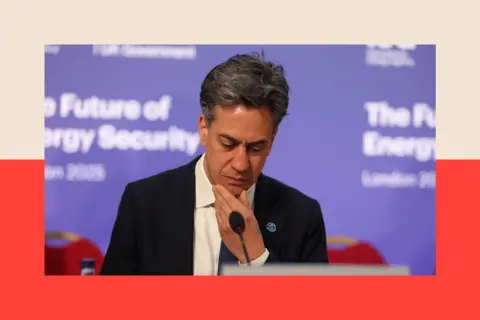
Ed Miliband, as Energy Secretary, finds himself in a precarious position. His net-zero policies, initially championed as a cost-cutting measure for consumers, are now under relentless attack from various political quarters. The Tories have voiced opposition, green politicians express concern over consumer benefits, and even former Prime Minister Tony Blair has weighed in. Reform UK’s deputy leader, Richard Tice, explicitly states that the next election will be fought on "immigration and net stupid zero," believing it to be a major vulnerability for the Labour government. With polls consistently showing the cost of living as a top public concern, and rising energy prices frequently cited, Miliband’s promise of slashing average electricity bills by £300 through 95% low-carbon electricity by 2030 feels increasingly challenged.
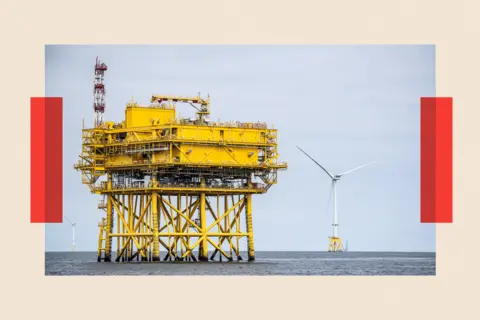
A decision on this monumental shake-up of the UK electricity market – the most radical since privatisation 35 years ago – is expected in the coming weeks. The outcome will not only determine the trajectory of Britain’s net-zero ambitions but also directly impact the energy bills of millions, cementing Ed Miliband’s legacy in the nation’s energy future.




 George Anjay
 Ramos Leo
 Roy Suryo
 atisusanti
 Nakalama John