
 Nana Banana
The root of this problem lies in the historical design of the UK’s national grid. Conceived decades ago to transmit power from large, centralized coal and gas-fired plants located near major population centers, the grid is ill-equipped for the burgeoning decentralized renewable energy landscape. Offshore wind farms, like those in the Moray Firth, or onshore solar arrays in remote rural areas, generate vast amounts of clean electricity far from where it’s consumed. The existing transmission lines often lack the capacity to carry this power across the country, leading to bottlenecks and grid overload in certain regions, particularly in the North.

This structural inadequacy has profound financial consequences. When the grid cannot absorb the power being generated, the National Electricity System Operator (NESO) — the body responsible for balancing the network — must instruct renewable generators to reduce their output. To compensate these firms for the lost revenue, they receive "curtailment payments." For instance, during a single half-hour period on that windy 3 June, Ocean Winds, the developer of the Moray Firth wind farms, was paid a staggering £72,000 to halt its production. Simultaneously, to maintain grid stability and meet demand elsewhere, a gas-fired power station, such as the Grain plant on the Thames Estuary 44 miles east of London, was paid £43,000 to increase its output. This bizarre scenario—paying a green generator to switch off while paying a fossil fuel plant to switch on—is not an anomaly; it’s a daily occurrence.
The scale of these payments is alarming. Octopus Energy, a major UK energy supplier, analyzed data revealing that Seagreen, Scotland’s largest wind farm, received £65 million last year alone for restricting its output an astonishing 71% of the time. Such balancing acts have already cost the country over £500 million this year, a figure NESO warns could spiral to nearly £8 billion annually by 2030. These costs are ultimately passed on to consumers through higher energy bills, directly contradicting the government’s promise that the transition to net zero would deliver cheaper electricity.

The political ramifications are significant. The government is now grappling with what has been described as "the most vicious policy fight" in the energy industry in decades. Political opponents are quick to seize on these inefficiencies, with figures like Reform UK’s deputy leader Richard Tice branding net zero as "net stupid zero" and predicting it will be a key battleground in upcoming elections alongside immigration. Public concern about the cost of living, particularly rising energy prices, remains paramount, putting immense pressure on policymakers. Ed Miliband, who championed aggressive clean energy policies, initially projected that achieving 95% low-carbon electricity by 2030 would reduce average electricity bills by £300. Yet, despite renewables now generating over half the country’s electricity, the promised cost savings are not materializing for consumers, largely due to grid limitations and the continued reliance on more expensive gas generation to top up the system.
In response to this escalating crisis, the government is considering a radical overhaul: moving from a single, national electricity market to a system of smaller, regional, or "zonal" markets. Supporters argue that as long as prices are set nationally, the influence of gas on electricity costs will persist. Zonal pricing aims to break this link.

Consider Scotland, a nation rich in wind resources but with a relatively small population of 5.5 million. Under zonal pricing, the argument goes, wind farms would no longer need to be paid to curtail their output simply because there isn’t enough cable capacity to export all the electricity to England. Instead, on a windy day, they would be incentivized to sell their surplus power to local consumers. This could lead to dramatically lower prices for Scottish customers, potentially even free electricity on some days. Other regions abundant in renewable generation, such as Yorkshire, the North East, parts of Wales, and increasingly, areas of East England with significant solar investment, would also stand to benefit from cheaper local power.
Beyond household savings, this abundance of affordable clean electricity could transform the economics of industry, attracting energy-intensive businesses like data centers, chemical manufacturers, and other heavy industries to these renewable-rich zones. While London and much of the South of England might experience higher electricity prices at times, proponents argue that the hundreds of millions saved through increased grid efficiency could be reinvested to ensure no one pays more than they currently do. Moreover, higher prices in demand-heavy regions could spur investment in new wind and solar projects closer to consumption centers. This decentralized generation would reduce the need for extensive new transmission infrastructure, meaning fewer new pylons scarring the countryside and further cost savings for all.
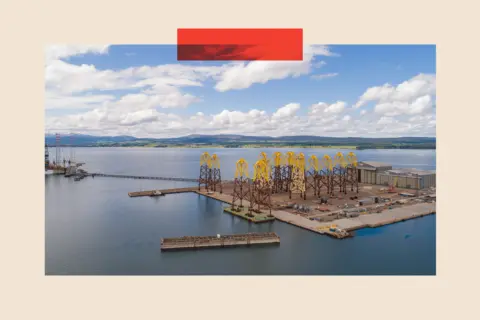
Greg Jackson, CEO of Octopus Energy, is a vocal advocate for zonal pricing, asserting that it would make the energy system "dramatically more efficient, slashing this waste and cutting bills for every family and business in the country." Research commissioned by Octopus estimates potential savings of £55 billion by 2050, translating to £50-£100 off the average annual bill. They point to Sweden, which successfully transitioned to regional pricing in just 18 months, as a model. The proposal has garnered significant support from key bodies, including NESO, Citizens Advice, the head of the energy regulator Ofgem, and a recent House of Lords committee recommendation.
However, the proposed shift is met with fierce resistance from many businesses involved in developing and operating renewable energy plants. Tom Glover, UK chair of the German power giant RWE, voices a common concern: "We’re making billions of pounds of investments in renewable power in the UK every year. I can’t go to my board and say let’s take a bet on billions of pounds of investment." He fears that changing the pricing mechanism could destabilize existing contracts, introduce revenue uncertainty, and ultimately undermine the government’s ambitious green energy targets.
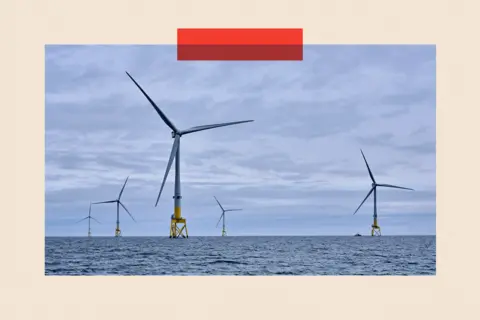
The primary cost of wind and solar projects lies in their construction, meaning the price of the generated energy is highly sensitive to financing costs and interest rates. With the government expecting £40 billion in renewable project investment annually over the next five years, even minor changes in interest rates can have a magnified impact on project viability and energy costs. Indeed, rising interest rates combined with soaring prices for steel and other materials have already led to the cancellation of major projects, such as a huge offshore wind farm off the Yorkshire coast last month, deemed no longer economically viable. Stephen Woodhouse, an economist with AFRY, a consultancy that has studied regional pricing for power companies, warns that "those additional costs could quickly overwhelm any of the benefits of regional pricing."
Furthermore, the National Grid is already embarking on a massive £60 billion investment program over the next five years to upgrade and expand its infrastructure to accommodate clean power. Critics argue that this substantial investment will eventually increase transmission capacity, reducing the need for curtailment payments and, consequently, diminishing the potential savings from a regional pricing system in the future. Other arguments against zonal pricing include the lengthy implementation timeline, the impracticality of energy-intensive businesses like British Steel simply relocating, and concerns about fairness, as some customers would inevitably pay more than others—the contentious "postcode pricing" issue.

Octopus Energy, while advocating for the change, faces accusations from power companies of having its own vested interest. As the UK’s largest energy supplier with seven million customers and a sophisticated billing system licensed to other providers, it could potentially benefit from a new pricing structure.
The clock is ticking. The government’s ability to meet its clean power targets hinges on the rapid deployment of new wind and solar capacity. The companies responsible for building these projects demand clarity and certainty regarding the future of the electricity market. A decision is expected within the next couple of weeks, placing the immense responsibility squarely on the shoulders of Mr. Miliband. The outcome will not only reshape Britain’s energy landscape but also determine the true cost of its net-zero ambitions for every household and business.




 Nakalama John
 George Anjay
 Ramos Leo


 atisusanti