atisusanti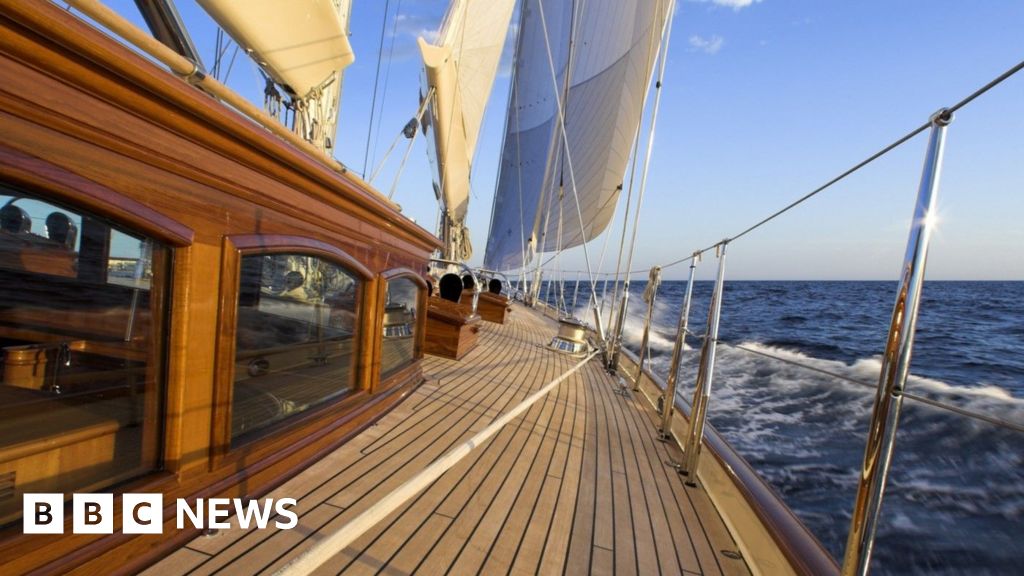
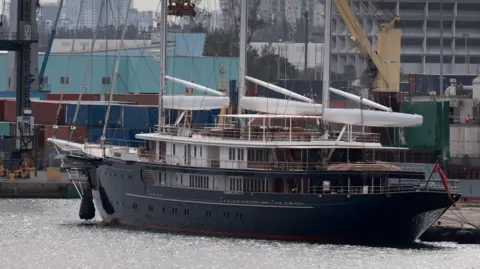
The yachting industry is facing a significant challenge as the demand for teak, a highly prized tropical hardwood, outstrips sustainable supply, forcing manufacturers and owners to explore a growing array of alternative materials. Jeff Bezos’s colossal $500 million superyacht, Koru, delivered in 2023, exemplifies the continued allure of teak, featuring it prominently in its luxurious interiors and expansive decking. This dense, heavy hardwood has long been revered for its exceptional resistance to rot and saltwater, its inherent beauty, and its status as a symbol of affluence and prestige. However, the most coveted teak originates from old-growth trees, predominantly harvested from natural forests in Myanmar. This timber, often sourced through channels linked to the country’s military and with scant regard for ecological sustainability, is now subject to stringent import restrictions in the UK, EU, and US. Trade sanctions imposed on Myanmar’s military-linked sector in 2021, following a coup, have further complicated the supply chain, though even prior to these sanctions, import regulations were already restrictive. The provenance of the teak used on the Koru’s deck, whether it is illegal Myanmar teak or sourced from legitimate plantations elsewhere, is currently under investigation in Germany, where the initial importer of the wood is believed to have been based. This situation mirrors that of other luxury yacht manufacturers; UK-based Sunseeker was fined in late 2024 for its use of Myanmar teak, with both Sunseeker and Oceanco attributing such breaches to unintentional lapses in due diligence.
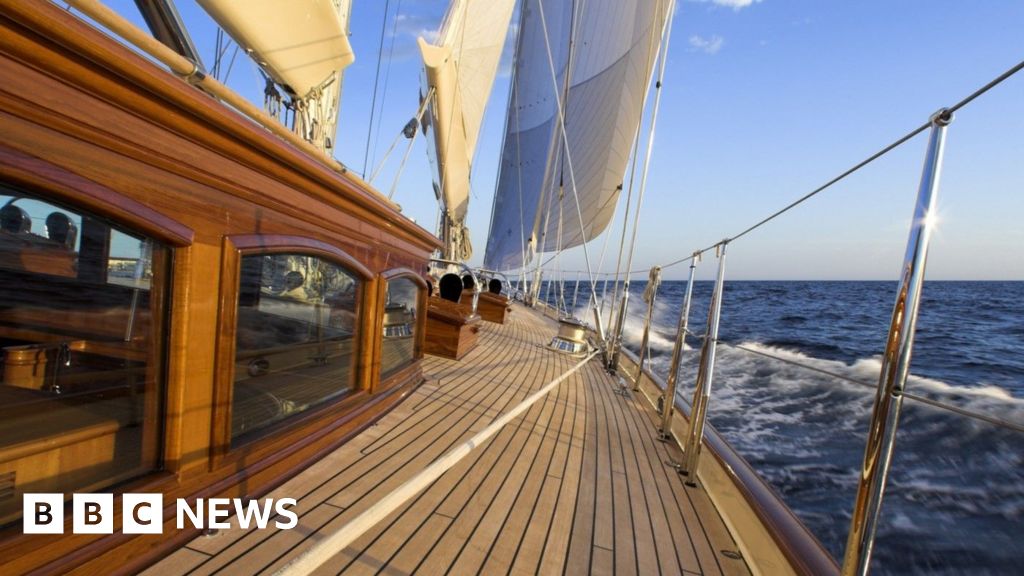
The problem of illegal Myanmar teak entering global supply chains, often misrepresented as plantation teak from other tropical regions, is a persistent issue. This has spurred a significant push towards alternatives within the yachting sector. These alternatives span a spectrum from thermally modified woods and fully synthetic materials to engineered teak laminates. While these options have existed for some time, recent advancements in their development are enhancing their appeal and performance, according to manufacturers and some discerning users. Beyond legal repercussions, the dwindling availability of pre-sanctioned stockpiles of old-growth timber is a primary driver behind this shift. Plantation teak, derived from younger trees, is frequently considered inferior by high-end shipyards, often lacking the long, wide, dark-brown boards that signify premium quality. Other natural wood alternatives struggle to meet the yachting industry’s demanding standards or are limited in supply. Cork has seen some application, but its aesthetic appeal is not universally embraced.
Walter Kollert, a Portugal-based forestry consultant and a member of the steering committee of TEAKNET, a global teak information network, emphasizes the industry’s embrace of teak alternatives. "Alternatives to natural teak are very welcome," Kollert states, adding, "We are in danger of losing old-growth teak forests which are part of a valuable ecosystem." He notes that while the furniture and housing industries have found it comparatively easier to substitute teak, the yachting sector faces a more significant challenge in adapting.
In a decisive move, the major luxury yacht manufacturer Sunreef Yachts, with operations in Poland and Dubai, announced in October last year its complete transition away from teak decking. Nicolas Lapp, the company’s co-founder and chief technical officer, declared, "Teak is no longer an option anywhere in our range…[and] I believe we are the only ones to do this." This strategic decision was driven by the increasing difficulty in sourcing high-quality plantation teak and the company’s commitment to enhanced sustainability. Lapp explains that with plantation teak, "you have a lot of wood that’s just not usable." After extensive testing of various alternatives, Sunreef now offers two types of thermally modified woods – a process that enhances a different natural wood through heat treatment to mimic teak’s appearance – though the specific products remain undisclosed. For smaller yacht models, the company also utilizes recyclable synthetic decking. The thermally modified woods not only replicate teak’s visual appeal but also offer practical advantages, including easier cleaning, superior thermal performance (staying cooler in the sun and insulating cabins, thereby reducing air conditioning needs), according to Lapp.
A notable newcomer in the field of thermally modified wood is Tesumo, launched by a company of the same name in late 2021. Despite its modest operational scale, the company is experiencing robust growth and is actively working to increase its production capacity. Arne Petersen, Tesumo’s managing director, acknowledges that past unsuccessful attempts with thermally modified wood may have created a perception of unreliability, but he asserts that Tesumo presents a viable and superior alternative. This German-made product emerged from a collaborative research project involving the University of Göttingen and the prestigious Lürssen shipyard, one of the world’s leading yacht builders, which was seeking a sustainable and effective natural alternative to old-growth teak. Tesumo begins with an undisclosed fast-growing African hardwood, which undergoes rigorous heat treatment and subsequent processing, including resin impregnation. High-profile installations of Tesumo include a helipad on the Lürssen-built superyacht Dragonfly, reportedly owned by Google co-founder Sergey Brin, and the complete deck of Boardwalk, another Lürssen-built superyacht associated with American businessman Tilman Fertitta, owner of the Houston Rockets basketball team.

Synthetic alternatives, including those made from plastics, are also undergoing continuous innovation. Flexiteek, a UK-manufactured PVC teak substitute introduced in 2000, is widely recognized as the market leader in its category. The company launched its third-generation product in late 2024, which offers enhanced features. Steve Moore, Flexiteek’s marketing manager, highlights its improved cleanability compared to real teak, its ability to retain color unlike teak which naturally weathers to a grey hue, and better thermal performance than earlier iterations.
A different approach focuses on optimizing the use of genuine teak. Laminated teak, an engineered solution, involves thinly slicing and bonding plantation-grown teak that would typically be rejected for high-end decking, resulting in a strong and stable material. Richard Strauss, CEO of Florida-based Teak Decking Systems, explains, "You are kind of tricking the eye…[and in the process] using far more of the log." His company installs decks using plantation teak, primarily sourced from India, or a select few alternative materials with which they have achieved notable success. Their laminated wood product, Green Teak, is sourced from Thailand. Despite the advancements in alternatives, Strauss observes that plantation teak remains the most popular choice among his clientele, indicating that ingrained preferences persist.
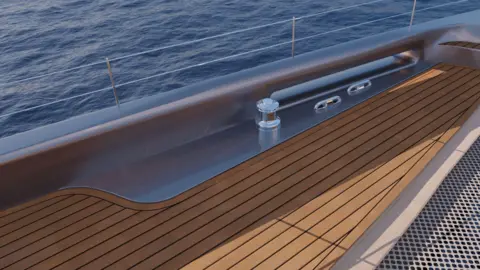
Lapp of Sunreef emphasizes the need for a broader cultural shift away from teak altogether. He notes that customers often initially desire teak but become receptive to alternatives once they understand the sustainability issues and recognize the benefits offered by substitute materials. "Then we show them…and they realize they can’t tell the difference," Lapp remarks, underscoring the success of these newer materials in mimicking the original. However, some smaller yacht builders, like the UK family business Jeremy Rogers, are currently sticking with teak. They source their timber from older, government-managed plantations in Java, which they are confident are authentic and harvested sustainably. Jessie Rogers of the company states that past experiments with alternatives have largely fallen short, adding, "The problem for the alternatives is there is nothing quite like real teak."
More Technology of Business




 George Anjay
 Ramos Leo
 Nakalama John