
 George Anjay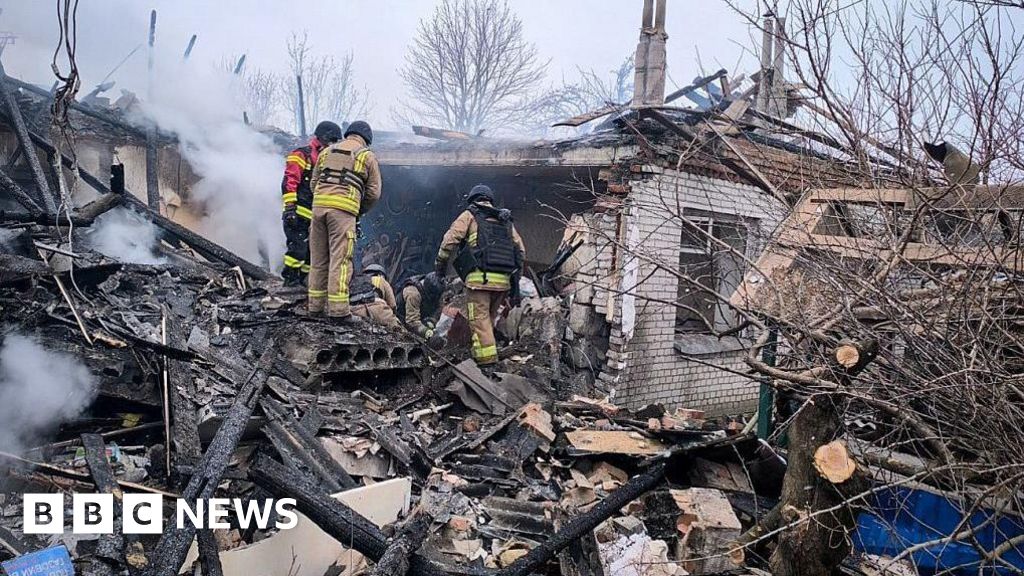
Delegations from Russia and Ukraine are poised to convene in Geneva for the latest round of US-brokered negotiations, a significant development occurring precisely one week before the four-year mark of Moscow’s full-scale invasion of Ukraine. Despite the resumption of diplomatic engagement, expectations for a substantive breakthrough remain decidedly subdued. This cautious outlook is largely attributed to Russia’s unwavering adherence to its maximalist territorial demands, a stance that has consistently obstructed progress in previous discussions. Adding a grim backdrop to these diplomatic efforts, Russia’s relentless strikes on Ukraine persist on a nightly basis, inflicting further damage on the nation’s already beleaguered power grid amidst continuing subzero temperatures.
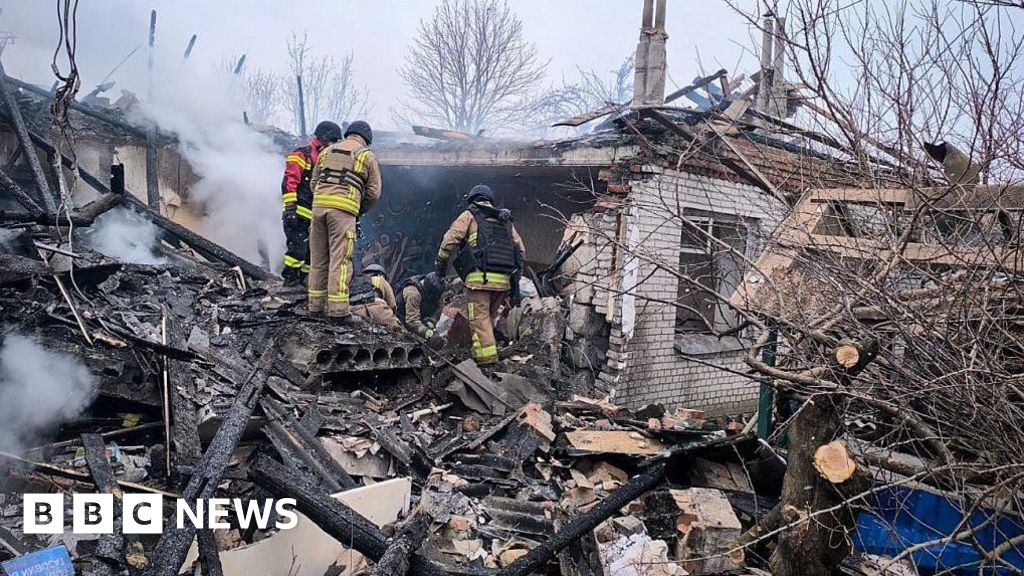
In a stark demonstration of the ongoing conflict’s severity, Moscow launched a large-scale, combined aerial assault on Ukraine mere hours before the delegations were scheduled to meet in Switzerland. This barrage, involving approximately 400 drones and nearly 30 missiles, impacted 12 regions across the country, resulting in at least three fatalities. Ukrainian Foreign Minister Andrii Sybiha characterized these latest attacks as a clear indication of "the extent to which Russia disregards peace efforts," underscoring the perceived futility of diplomatic overtures in the face of continued aggression. Conversely, Russia asserted that its air defense systems had successfully repelled over 150 drones, while simultaneously reporting that an oil refinery caught fire following a Ukrainian drone strike.
The crucial talks on Tuesday are set to be facilitated by Steve Witkoff, President Trump’s special envoy, and Jared Kushner, the president’s son-in-law. Representing Ukraine will be National Security Council secretary Rustem Umerov and President Volodymyr Zelensky’s chief of staff, Kyrylo Budanov. The Russian delegation includes presidential aide Vladimir Medinsky, alongside members of the military intelligence apparatus. Kremlin spokesman Dmitry Peskov, speaking to reporters, expressed a pragmatic outlook, stating, "I don’t think we should expect any news today," and confirmed that the talks would extend into Wednesday.
Adding a layer of external commentary, former President Donald Trump, speaking to reporters aboard Air Force One on Tuesday, urged Ukraine to "come to the table fast." This statement reflects a broader sentiment of impatience with the protracted nature of the conflict, a position the former president has previously articulated, signaling his desire for a swifter resolution.
The territorial dispute remains a central and intractable obstacle. Russia currently occupies approximately 20% of Ukraine’s territory, including significant portions of the eastern Donbas region. The Kremlin’s demand for Ukraine to cede these territories has been unequivocally rejected by Kyiv. For Ukraine, the paramount prerequisite for any potential agreement with Russia is the establishment of robust security guarantees from Western allies.
The human cost of the ongoing hostilities was tragically highlighted by the loss of at least three energy workers near the frontline city of Slovyansk during Monday night’s attacks, as announced by Ukraine’s deputy energy minister, Artem Nekrasov, on Telegram. President Zelensky reported that an additional nine individuals, including children, were injured across the country, with more than 10 residential buildings and railway infrastructure sustaining damage. In a strong condemnation of the attacks, he wrote on X, "Russia must be held to account for its aggression," emphasizing that "For peace to be real and just, action must target the sole source of this aggression."
Kyiv reported that 12 regions were impacted, leading to damage to critical infrastructure and leaving thousands without power in the southern city of Odesa. DTEK, the country’s largest private energy firm, described the damage to the city’s power infrastructure as "incredibly serious," estimating that a substantial amount of time would be required to restore functionality. Ukraine is currently grappling with an acute energy crisis, exacerbated by months of sustained Russian assaults on its energy facilities and intensified by the ongoing freezing winter conditions.
In a reciprocal move, Ukraine launched its own series of attacks on Russian territory overnight. Officials confirmed that a fire erupted at the Ilsky oil refinery in the southern Krasnodar region following a drone strike, with a reservoir storing oil products also catching fire. The border region of Belgorod continued to be a focal point of attacks, with Ukraine deploying dozens of drones that caused significant damage to power infrastructure.
These current discussions are a continuation of previous diplomatic efforts, following last month’s trilateral talks held in Abu Dhabi. That meeting marked the first three-way engagement between Russia, Ukraine, and the United States since Russia initiated its full-scale invasion in 2022. While those talks concluded without a significant breakthrough, they were shortly followed by the first exchanges of prisoners of war in several months, offering a glimmer of hope amidst the ongoing conflict. The current Geneva talks, however, commence under the shadow of intensified military action, underscoring the profound chasm that still exists between the negotiating parties and the immense challenges that lie ahead in achieving a lasting peace. The international community watches with bated breath, hoping that dialogue, however fraught, might yet pave a path away from the devastating realities of war. The stakes remain extraordinarily high, with the future of Ukraine and the broader regional security landscape hanging in the balance. The continuing strikes serve as a brutal reminder of the human cost of this protracted conflict, impacting civilians and critical infrastructure alike, and adding immense pressure to the diplomatic efforts underway. The coming days will reveal whether any common ground can be found amidst the rubble and the ongoing hostilities.

 Ramos Leo
 atisusanti
 Nakalama John
 Roy Suryo