Roy Suryo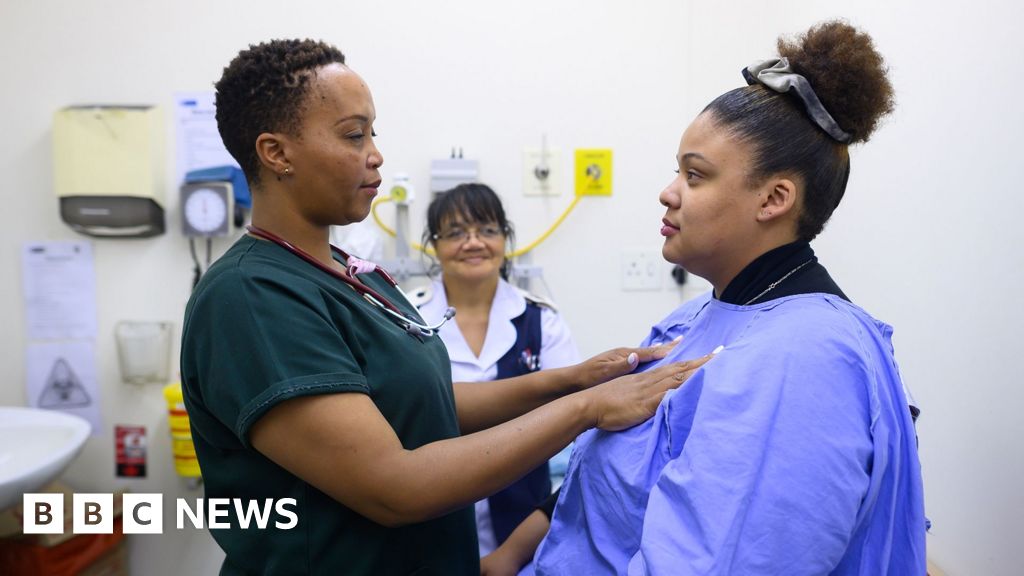
England’s ambitious 10-year cancer strategy, unveiled on Wednesday, pledges to dramatically improve survival rates, aiming for three-quarters of patients to live at least five years post-diagnosis by 2035. This bold target, if achieved, would represent the most significant leap in cancer outcomes seen this century. The current statistics for 2022 reveal a five-year survival rate of 60%, a figure that places the UK noticeably behind many other developed nations. To bridge this gap and meet the new aspiration, the government has committed to achieving the 62-day waiting time target for cancer treatment to commence – a benchmark that has eluded the National Health Service (NHS) for over a decade. However, medical experts have cautioned that realising such ambitious goals will necessitate substantial additional investment, with a particular emphasis on bolstering the healthcare workforce.
Despite these concerns, Health Secretary Wes Streeting, a survivor of kidney cancer himself, expressed unwavering confidence in the feasibility of the outlined plans. He highlighted the government’s commitment to increasing the NHS budget by 3% above inflation annually in the coming years, a move he believes, coupled with ongoing advancements in medical science and technology, will be instrumental in "transforming the life chances of cancer patients." Streeting powerfully articulated the stark reality: "Cancer is more likely to be a death sentence in Britain than other countries around the world. But survival shouldn’t come down to who won the lottery of life. As a cancer survivor who owes my life to the NHS, I owe it to future patients to make sure they receive the same outstanding care I did."
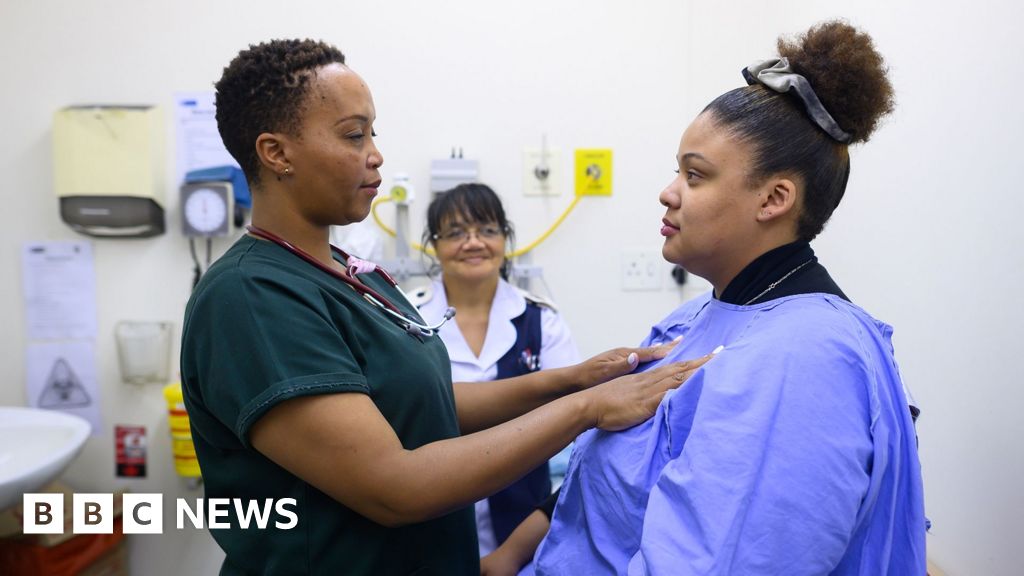
Central to the strategy’s success is a renewed focus on enhancing early diagnosis. Currently, just over half of all cancers are detected at stages one and two, the optimal periods for effective treatment. This proportion has seen minimal improvement over the last decade, underscoring the urgent need for intervention. The government’s plan outlines a series of measures designed to accelerate cancer detection through enhanced screening programmes. While only 6% of current cancer cases are identified through screening, this is set to change. Specifically, the threshold at which bowel cancer screening prompts further investigation will be lowered, aiming to catch more instances of the disease earlier. Furthermore, a targeted lung cancer screening programme will be rolled out, focusing on individuals with a history of smoking.
The government’s commitment to improving the patient journey extends beyond diagnosis. The pledge to meet the 62-day waiting time target, encompassing the period from referral to the commencement of treatment, is particularly significant. This target, which currently stands at 85%, sees approximately 70% of patients beginning their treatment within the stipulated timeframe. The strategy also encompasses two other crucial targets: a 28-day target for diagnosis, which is reportedly being met, and a 31-day target for treatment to begin once a treatment decision has been made, a target that is currently being missed.
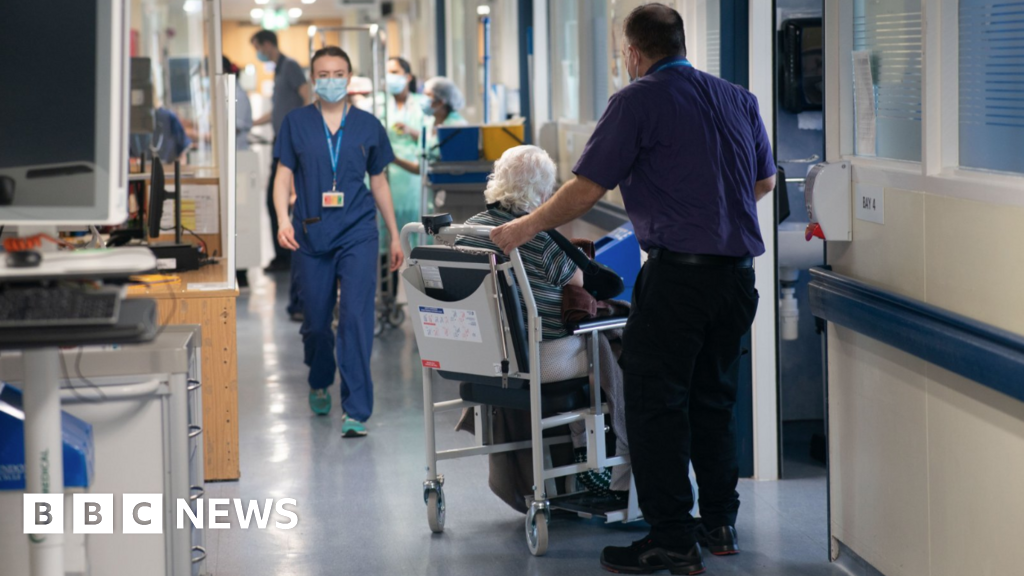
However, the crucial element of staffing shortages looms large over the proposed advancements. The Royal College of Radiologists has sounded an alarm, stating that the current number of specialist cancer staff is insufficient to meet the escalating demand. Workforce surveys indicate a substantial deficit, with a 30% shortfall in radiologists and a 15% deficit in clinical oncologists – the medical professionals who manage non-surgical cancer treatments such as chemotherapy and immunotherapy. Dr. Stephen Harden, President of the Royal College of Radiologists, emphasized this critical issue: "Plans to diagnose and treat cancer faster are welcome, but without sustained investment in the specialist workforce, there will not be enough doctors to deliver timely and effective care for patients."
Michelle Mitchell, Chief Executive of Cancer Research UK, acknowledged the promises as a "significant commitment" that will necessitate a "wide range of measures." She underscored the urgency of the situation, stating, "England lags behind comparable countries on cancer survival – it’s vital that changes." Analysis by Cancer Research UK reveals that the UK consistently trails behind other nations in five-year survival rates for various cancers, including stomach, colon, pancreas, ovaries, and lungs. For instance, while colon cancer five-year survival exceeds 70% in Australia, it remains below 60% in the UK. Similarly, for lung cancer, 15% of UK cases result in five-year survival, a figure significantly lower than the over 20% observed in Norway and Canada.
Gemma Peters, representing Macmillan Cancer Support, echoed these concerns, highlighting the everyday experiences of individuals living with cancer: "People living with cancer tell us all too often that their care hasn’t been good enough, from long waits for tests and treatment to being left without the support they need once treatment ends." She expressed optimism regarding the "bold ambitions" presented in the new strategy, recognizing their potential to "transform care." The overarching sentiment among cancer charities and patient advocacy groups is that while the government’s commitment is a positive step, its successful implementation hinges on tangible and sustained investment in both infrastructure and, crucially, the specialist workforce required to deliver world-class cancer care. The strategy’s success will ultimately be measured not just in ambitious targets, but in the real-world improvements to the lives of cancer patients across England.



 George Anjay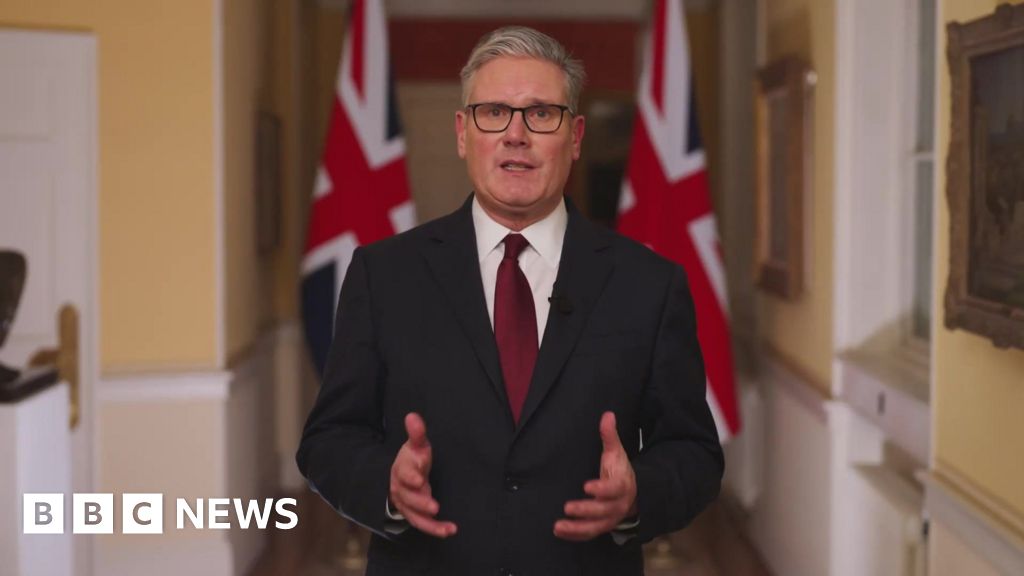
 Ramos Leo
 Nakalama John

 atisusanti