
 Nakalama John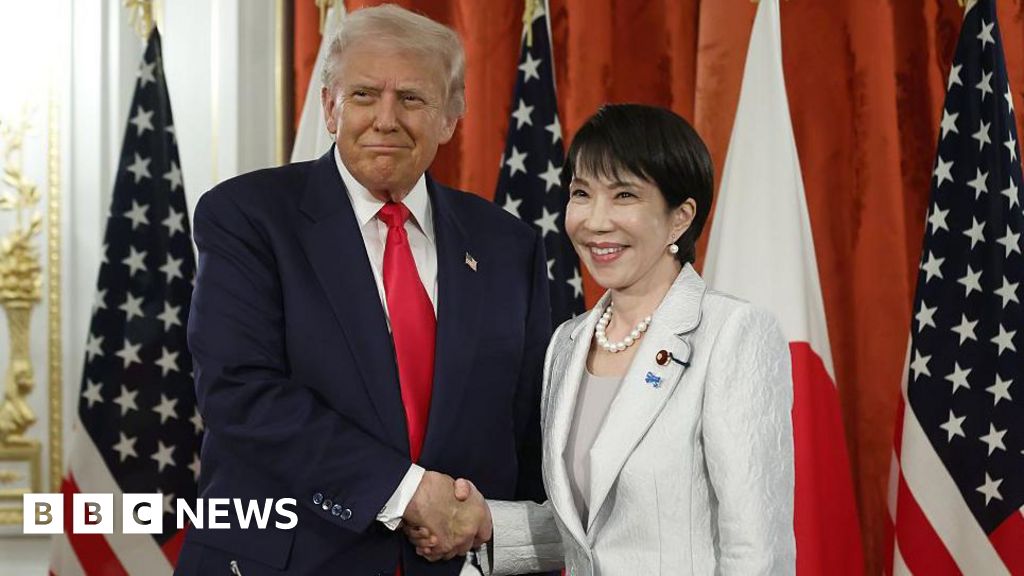
The Supreme Court’s decision and the subsequent imposition of a flat 15% tariff represent a significant blow to numerous Asian governments, from India to Indonesia, which had invested months in arduous negotiations with Washington. Many of these nations had made substantial commitments, pledging to invest billions of dollars in the US economy in exchange for specific tariff concessions or exemptions from the higher rates that were previously in force. While the new, uniform 15% tariff rate might, at first glance, appear to be a reprieve for some Asian countries that had been subjected to much higher levies under the previous regime, analysts universally warn that significant uncertainties persist and could even escalate.
"Even if countries do decide to negotiate, at the end of the day, the current US administration is still looking to enforce higher levels of tariffs, regardless of the measures that have been struck down," explained Adam Samdin, an economist at Oxford Economics. He highlighted a critical issue: the trade deals signed with the US in recent months often lack the clear, legally binding agreements characteristic of traditional pacts, leaving ample room for further unilateral changes and reinterpretation by the US administration. This inherent fragility means that any perceived "win" from a lower tariff rate could be fleeting. Furthermore, Samdin noted that most smaller economies in Asia are likely to exercise extreme caution, acutely aware that "how they fare will depend greatly on their relationship with the administration," placing them in a precarious position where they must avoid potentially upsetting President Trump.
Governments across the entire Asian region are now meticulously evaluating the latest announcements and their potential ramifications. China, a central player in the global trade landscape and a frequent target of Trump’s protectionist policies, is currently preparing to host President Trump in early April. A spokesperson for the Chinese Ministry of Commerce stated that Beijing is "conducting a comprehensive assessment of [the] content and impact" of the ruling. Reiterating China’s long-held stance, the spokesperson added, "China has consistently opposed all forms of unilateral tariff increases and has repeatedly emphasised that there are no winners in a trade war, and protectionism leads nowhere." This statement underscores China’s cautious but firm opposition to protectionist measures, even as it prepares for high-stakes diplomatic engagement. Despite the recent turbulence, US Trade Representative Jamieson Greer expressed optimism on Sunday, telling ABC news that he did not anticipate the changes to derail Washington’s crucial talks with China and its leader, Xi Jinping. "The purpose of this meeting with President Xi is not to fight about trade. It’s to maintain stability, make sure that the Chinese are holding up their end of our deal and buying American agricultural products and Boeings and other things," Greer said, adding, "I don’t see this really affecting that meeting." However, the underlying tensions and the unpredictable nature of trade policy under the Trump administration suggest that the path forward for US-China trade relations remains fraught with potential pitfalls.
Beyond China, other key US allies in the region are also grappling with the profound uncertainty surrounding Trump’s evolving trade policy. In Japan, a government spokesman indicated over the weekend that Tokyo "will carefully examine the content of this ruling and the Trump administration’s response to it, and respond appropriately." However, concerns are already being voiced within Japan’s political establishment. Itsunori Onodera, an executive of Prime Minister Sanae Takaichi’s Liberal Democratic Party and a former defence minister, publicly raised alarms about the new, universal 15% tariff rate. "As an ally, I’m worried this will only accelerate countries distancing themselves from the US," Onodera remarked on a Sunday TV show, highlighting the potential for the new policy to strain alliances rather than strengthen them. Japan, which had inked an agreement in late 2025 to accelerate the production of rare earths with the US – a strategic move to diversify critical mineral supplies away from China – must now re-evaluate how this new tariff regime might impact its carefully crafted partnerships and economic strategies. The image of Trump and Takaichi in Tokyo in October 2025, following a signing ceremony, now serves as a poignant reminder of agreements made under a rapidly shifting policy landscape.
South Korea’s Industry Minister Kim Jung-kwan also voiced immediate concerns on Monday, particularly regarding the ambiguity surrounding potential refunds for tariffs already paid under the now-illegal regime. Kim also provided a crucial detail for South Korea’s vital technology sector, confirming that computer chips were not subject to the new 15% tariffs announced by Trump after the ruling. This exemption offers a degree of relief to South Korea, a global powerhouse in semiconductor manufacturing. Similarly, Taiwan, another key producer of advanced computer chips, stated on Saturday that while the immediate impact on the island appeared limited, "the government will closely monitor developments and maintain close communication with the United States." The semiconductor industry, a cornerstone of these economies, remains a sensitive and strategically important sector in the broader US-Asia trade dynamic.
Singapore, which saw its tariff rate increase from 10% to 15% following Trump’s latest announcement, is also actively monitoring the situation. The city-state’s trade ministry confirmed its plans to meet soon with US officials to clarify the implementation details of the new levies. The ministry expressed its belief that certain strategic goods – such as pharmaceuticals, electronics, and energy products – would likely remain unaffected by the new measures, reflecting ongoing dialogues and specific sectoral considerations.
Countries across Asia, many of which meticulously built their economies on the bedrock of booming exports to the US market, were particularly hard hit by Trump’s sweeping "Liberation Day" tariffs in April 2025. These initial tariffs, often significantly higher than the newly announced 15%, forced many nations into difficult negotiations and strategic reorientations. Just last week, Indonesia and the US had finalised an agreement designed to lower US tariffs on the Southeast Asian country to 19% from a punitive 32%, in exchange for preferential access to Indonesia’s market. This hard-won concession is now superseded by the universal 15% rate, prompting Indonesia to reassess the value and stability of its prior commitments. Taiwan had similarly secured lower US tariffs of 15% in exchange for commitments of billions of dollars in investments, illustrating the pattern of quid pro quo deals that characterized the Trump administration’s bilateral trade approach. These agreements, while offering temporary relief, were inherently vulnerable due to their non-traditional nature and lack of robust legal frameworks. US Trade Representative Greer, in a separate interview on CBS, affirmed that the US was in ongoing talks with countries that had reached such trade agreements and that none had yet indicated plans to withdraw since the tariff ruling. Greer asserted, "We’re going to stand by them. We expect our partners to stand by them," a statement intended to reassure but one that may ring hollow given the administration’s demonstrated willingness to unilaterally alter trade terms.
The economic ramifications of a flat 15% tariff rate are particularly complex for Asia’s diverse economies. Sandra Alday from the University of Sydney highlighted that this uniform rate is likely to hit Asian economies primarily exporting finished products to the US the hardest. For these nations, a direct and significant price increase on their goods entering the American market is inevitable. However, the impact is more nuanced and harder to accurately gauge for countries that supply intermediate goods, components, or raw materials that are then completed or assembled in America. The intricate global supply chains, often spanning multiple Asian countries before reaching the US, mean that the burden of the tariff might be distributed or absorbed in various ways, potentially leading to shifts in manufacturing locations or sourcing strategies. Nevertheless, Alday stressed one undeniable consequence: with tariffs now applied universally across a vast range of imports, foreign products destined for the US market will become generally more expensive for American consumers and businesses. This increase in cost could dampen demand, reduce competitiveness, and ultimately impact export volumes from Asian nations.
Adding another layer of uncertainty, President Trump’s new 15% tax rate is framed as a temporary solution implemented under Section 122 of the Trade Act. This provision typically allows such tariffs to remain in place for approximately five months before the administration must seek formal congressional approval to extend them. This temporary status means that the current tariff landscape could once again undergo significant alteration within a relatively short period, demanding constant vigilance and adaptation from Asian trading partners. The new levy also raises pertinent questions for other traditional allies, such as the UK and Australia, which had previously negotiated more favourable 10% tariff deals with the US. These nations will now need to clarify whether their prior agreements are superseded by the new, higher universal rate, further complicating the global trade picture and underscoring the pervasive instability emanating from Washington’s trade policy. The overarching sentiment across Asia is one of cautious anticipation, as economies brace for what promises to be a continuously evolving and challenging trade environment.

 Ramos Leo
 Roy Suryo
 atisusanti

 Nana Banana