atisusanti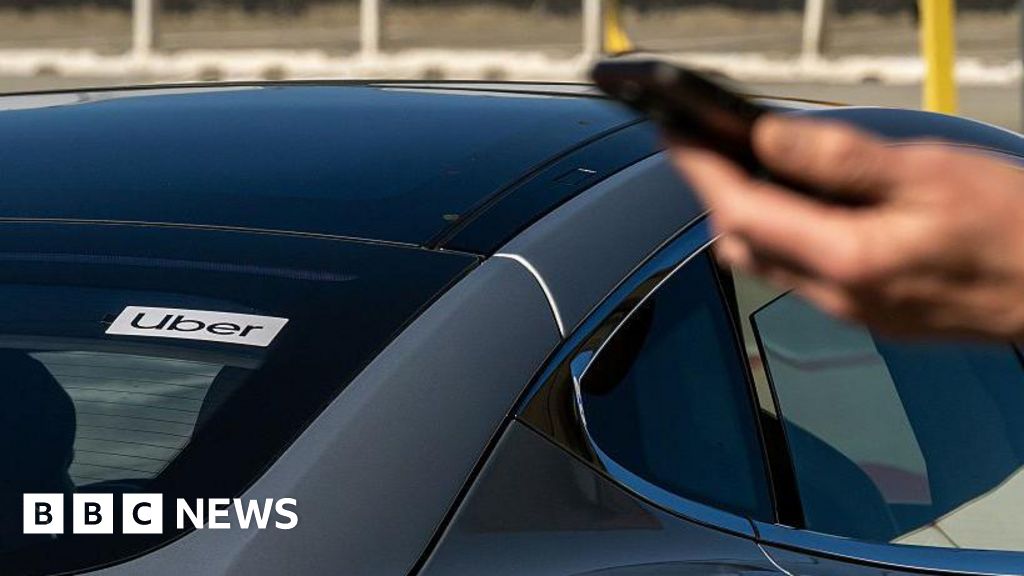
A significant legal blow has been dealt to ride-sharing giant Uber, as a US court has mandated the company to pay $8.5 million (£6.2 million) to a woman who alleged she was raped by a driver operating under the Uber platform. This landmark ruling, delivered after a two-day deliberation by a jury in Arizona, holds Uber responsible for the driver’s abhorrent actions and could establish a pivotal precedent for thousands of similar cases pending against the company. While Uber has expressed its intention to appeal the verdict, the jury’s decision underscores the potential liability ride-sharing companies face when their drivers commit criminal acts.
The lawsuit, brought forth by plaintiff Jaylynn Dean, centered on a harrowing experience in 2023 where she claimed to have been sexually assaulted in an Uber vehicle while en route to her hotel. Dean’s legal team argued that Uber was aware of a pervasive issue of sexual assaults perpetrated by its drivers but had demonstrably failed to implement adequate safety measures to protect its passengers. The jury, in its deliberation, ultimately rejected the additional claims made in the lawsuit, specifically those alleging Uber’s negligence and the defectiveness of its safety systems. However, they did find Uber liable under the "apparent agency" doctrine, a legal principle that can hold a company responsible for the actions of individuals acting on its behalf, even if they are classified as independent contractors. This doctrine was instrumental in the awarding of $8.5 million in compensatory damages to Dean. Notably, the jury did not grant Dean’s request for over $144 million in punitive damages, which are intended to punish egregious behavior and deter future misconduct.
The legal team representing Jaylynn Dean hailed the verdict as a validation for the numerous survivors who have bravely come forward to share their experiences, often at considerable personal risk. Attorney Sarah London emphasized that true justice would be measured not only by this individual outcome but also by the resolution of the ongoing litigation and the implementation of meaningful safety reforms designed to safeguard passengers moving forward. This case is one of an initial cohort of 20 "bellwether" cases selected to go to trial, a strategy often employed in mass litigation to gauge jury sentiment and establish potential benchmarks for settlements in a vast number of similar claims. It is anticipated that the outcomes of these bellwether trials will significantly influence the resolution of approximately 2,500 other federal court cases filed against Uber, all alleging comparable grievances.
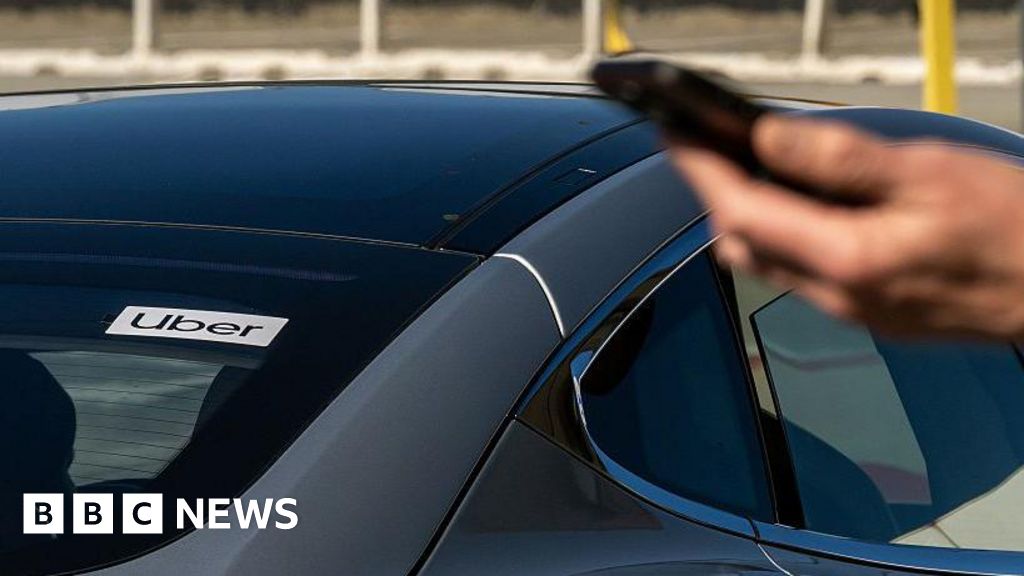
During the trial, Alexandra Walsh, another attorney for Dean, powerfully articulated how Uber had cultivated an image as a safe transportation option, particularly for women traveling alone at night. She argued that the company had effectively preyed on women’s legitimate concerns about personal safety in a "dangerous world," making them believe that Uber provided a sanctuary from the risks of sexual assault. This narrative contrasts sharply with Uber’s defense, which has consistently maintained that it should not be held liable for the criminal actions of its drivers, whom the company classifies as independent contractors. Uber’s legal strategy has also emphasized its background check procedures as part of its vetting process, suggesting that drivers are adequately screened.
Uber’s legal representatives contended that the incident involving Dean was not foreseeable, citing the driver’s reportedly strong passenger ratings and lack of a criminal record. In a statement following the verdict, a spokesperson for Uber asserted that the jury’s decision affirmed the company’s responsible conduct and its significant investments in rider safety. "The jury rejected claims that Uber was negligent and that our safety systems were defective," the spokesperson stated. "They awarded an amount far below what was sought, and declined to award punitive damages altogether. This verdict affirms that Uber acted responsibly and has invested meaningfully in rider safety." The spokesperson further pointed to a previous case where a woman alleged assault by her driver, but Uber was ultimately not found liable, suggesting a pattern in how courts might view such incidents.
The complex legal landscape surrounding ride-sharing services and their responsibility for the actions of their drivers continues to evolve. The "apparent agency" doctrine, as applied in Dean’s case, could prove to be a critical tool for plaintiffs seeking accountability from platforms like Uber. Critics argue that classifying drivers as independent contractors allows companies to distance themselves from liability for potential misconduct, while proponents of the classification emphasize the flexibility and autonomy it offers drivers. The outcome of these bellwether trials will undoubtedly shape the future of ride-sharing safety regulations and the legal recourse available to passengers who experience harm while using these services. The $8.5 million awarded to Jaylynn Dean, while less than what was sought, represents a significant victory and a stark reminder to Uber and its competitors of the imperative to prioritize passenger safety above all else. The company’s stated intention to appeal signals a prolonged legal battle, but the jury’s verdict has already sent a powerful message across the industry.




 Ramos Leo
 Nakalama John
 George Anjay