Ramos Leo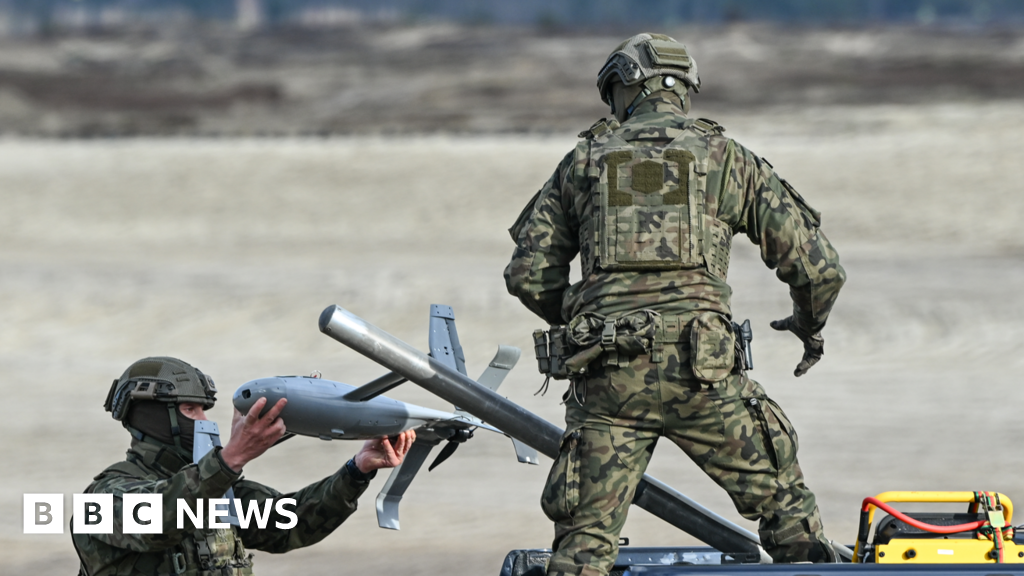
The United Kingdom has forged a significant new defence alliance with four of the European Union’s leading military powers – Germany, France, Italy, and Poland – to jointly develop advanced, low-cost drone and missile defence systems. This collaborative initiative marks a pivotal moment in post-Brexit UK-Europe relations, signalling a renewed commitment to deepening ties within the European defence sector, particularly in an era of heightened geopolitical instability and evolving threats. The agreement, announced at a meeting of the five nations’ defence ministers in Krakow, Poland, seeks to harness collective expertise and resources to rapidly innovate air defence capabilities.
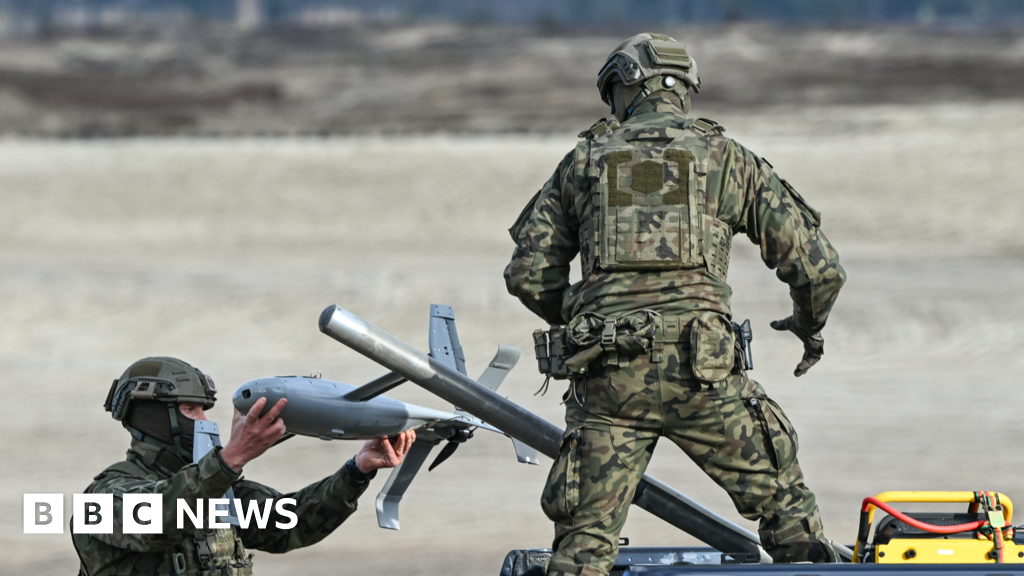
At the heart of this ambitious undertaking is a shared recognition of the urgent need for agile and economically viable defence solutions against the backdrop of modern warfare, profoundly influenced by the conflict in Ukraine. The project explicitly invites manufacturers across the UK, Germany, France, Italy, and Poland to submit plans for the creation of next-generation low-cost missiles and autonomous drones. The allies have committed to an expedited development process, directly inspired by Ukraine’s remarkable success in rapidly fielding inexpensive drone technology to counter sophisticated and often costly attacks from Russia. The UK’s Ministry of Defence (MoD) has underscored that the programme’s immediate priority is a "lightweight, affordable" surface-to-air weapon, with an aggressive target for the first prototype or system to be delivered by as early as next year.
This agreement carries particular weight given the recent history of UK-EU defence cooperation. It represents a significant boost to UK-Europe ties following the collapse of negotiations last year concerning British participation in the EU’s substantial €150 billion (£130 billion) defence fund. Those talks, intended to allow British defence companies greater involvement in joint projects financed by the fund, faltered after the UK reportedly rejected a multibillion-euro entry fee demanded by the EU. The current multi-lateral agreement, therefore, showcases an alternative, pragmatic pathway for crucial defence collaboration outside the more formal, and sometimes contentious, EU institutional frameworks.
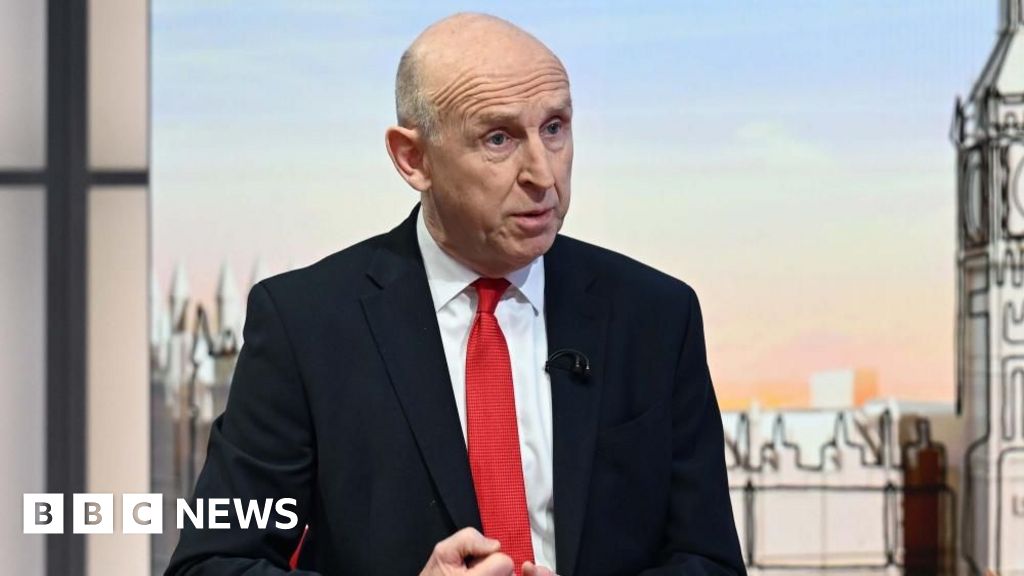
While a precise overall budget for this new drone defence plan has not yet been publicly confirmed, UK Defence Minister Luke Pollard, speaking to reporters in Poland, affirmed that each participating nation is making a "multimillion-pound, multimillion-euro" financial commitment to the scheme. This collective investment underscores the seriousness and mutual strategic interest underpinning the initiative, reflecting a shared understanding of the escalating security challenges facing the continent.
The inspiration drawn from Ukraine’s wartime innovations is a defining feature of this joint venture. Since Russia’s full-scale invasion four years ago, Ukraine has transformed its domestic drone manufacturing sector into a powerhouse of rapid development and deployment. The conflict has vividly demonstrated how vast numbers of low-cost drones can become an indispensable component of national defence, effectively countering attacks that might otherwise overwhelm or render economically unfeasible traditional, high-cost missile defence systems. Russian forces have frequently launched hundreds of attack drones, alongside missiles, forcing Ukraine to innovate rapidly with affordable, mass-produced countermeasures.
Minister Pollard articulated this strategic shift, stating, "To be effective at shooting down relatively low-cost missiles, drones and other threats facing us, we need to make sure that we’re matching the cost of the threat with the cost of defence." This statement highlights a fundamental re-evaluation of the "economics of warfare," a concept that has gained critical prominence in military circles following the intense attrition seen in Ukraine. The traditional paradigm, where a single, expensive interceptor missile might be used to destroy a much cheaper drone, is proving unsustainable in a high-intensity conflict. The E5 group’s collective effort aims to flip this equation, developing defensive systems that are both effective and economically proportionate to the threats they face.
The drone defence plan agreed upon in Krakow is not intended to be a standalone project but rather the first in a series of collaborative initiatives from this group of five allies, collectively known as the E5. Minister Pollard indicated that these efforts are designed to fundamentally alter the "economics of warfare" in response to the growing threat from Russia and other adversaries. The MoD has not yet released a detailed blueprint for how drones and counter-drone systems will be developed more quickly, but it has pledged to significantly enhance cooperation with smaller, agile technology companies and to streamline operational requirements for participation in these projects. This approach seeks to cut through traditional bureaucratic hurdles and foster innovation more rapidly, mirroring the entrepreneurial spirit seen in Ukraine’s defence industry.
Europe, as a whole, is under immense pressure to substantially increase its defence spending and readiness in the wake of the ongoing war in Ukraine. This pressure is compounded by persistent questions surrounding the long-term reliability of the United States as a NATO ally, particularly in the context of shifting political landscapes, such as the potential for future US administrations to reduce commitments to European security.
The E5 group itself is a relatively new but increasingly influential forum. It first convened in autumn 2024, directly following the re-election of Donald Trump, a political event that underscored existing anxieties about the future of transatlantic security arrangements. Since its inception, the group has met seven times, rapidly emerging as a crucial body for fostering European defence cooperation and innovation outside the more expansive, and sometimes slower-moving, structures of the European Union and NATO. Its composition, bringing together the UK, Germany, France, Italy, and Poland, represents a formidable concentration of military, industrial, and strategic power within Europe.
A key element of the broader UK military strategy, and one that aligns perfectly with this new E5 initiative, is the increased integration of autonomous drones. A wide-ranging review of UK military capabilities, unveiled in summer last year, placed significant emphasis on boosting the use of such systems, which are capable of independently identifying targets and executing missions without continuous human control, often leveraging artificial intelligence (AI). This review saw the MoD commit to developing "more permissive" regulations for the deployment of these autonomous systems. This potential shift signals a departure from previous, more cautious stances that typically mandated "context-appropriate human involvement" in the operation of weapons systems. The ethical and strategic implications of increasing autonomy in warfare are profound and remain a subject of intense debate, but the E5 agreement highlights a collective move towards embracing these technologies as essential for future defence.
This joint plan signifies not only a practical step towards enhancing European air defence capabilities but also a powerful political statement. It demonstrates a shared resolve among key European players, including the UK, to take greater responsibility for their collective security and to innovate in response to contemporary threats. The collaboration promises to foster greater interoperability, reduce duplication of effort, and accelerate the development of critical defensive technologies, ultimately strengthening Europe’s resilience against evolving challenges in a rapidly changing global security landscape. The success of this E5 initiative could pave the way for further pragmatic, multi-lateral defence collaborations, shaping the future of European security beyond established institutional boundaries.



 Nana Banana
 atisusanti
 Nakalama John
 George Anjay