
 Nakalama John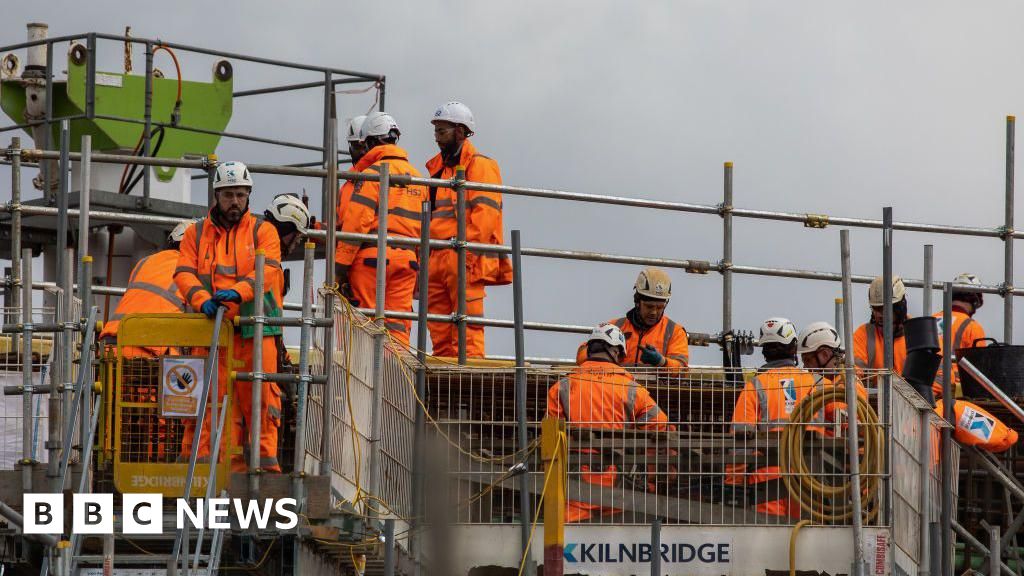
A notable concern highlighted by the ONS was the services sector, which constitutes approximately 80% of the UK economy. It recorded zero growth over the quarter, marking the first time in two years that this dominant sector has stagnated. This flat performance underscores a broader cooling in consumer spending and business activity, as households grappled with elevated living costs and businesses faced sustained inflationary pressures and higher borrowing costs. While the overall picture for services was stagnant, there were pockets of resilience. Travel agencies and tour operators experienced a strong performance, suggesting a continued post-pandemic rebound in leisure and international travel. Similarly, administrative and support services also showed robust growth, potentially indicating businesses outsourcing more functions to manage costs or focus on core competencies. However, these gains were offset by a significant decline of 1.1% in professional, scientific, and technical activities, a broad category encompassing crucial sectors like legal services, accounting, consulting, architecture, and scientific research. This contraction points to reduced business investment, delayed projects, and a cautious corporate environment.
In contrast to the services sector’s struggles, the manufacturing sector emerged as the primary driver of growth in the final quarter of 2025. This industrial segment provided the main boost to the overall economy, surprising many analysts given the broader global manufacturing slowdown. While specific sub-sectors were not detailed in the initial ONS release, this performance likely reflects a combination of factors such as robust export demand in niche areas, a potential restocking cycle by businesses, or specific government-backed industrial initiatives beginning to bear fruit. The resilience of manufacturing offered a counterpoint to the more widespread economic lethargy, suggesting some sectors were adapting better to the challenging landscape.
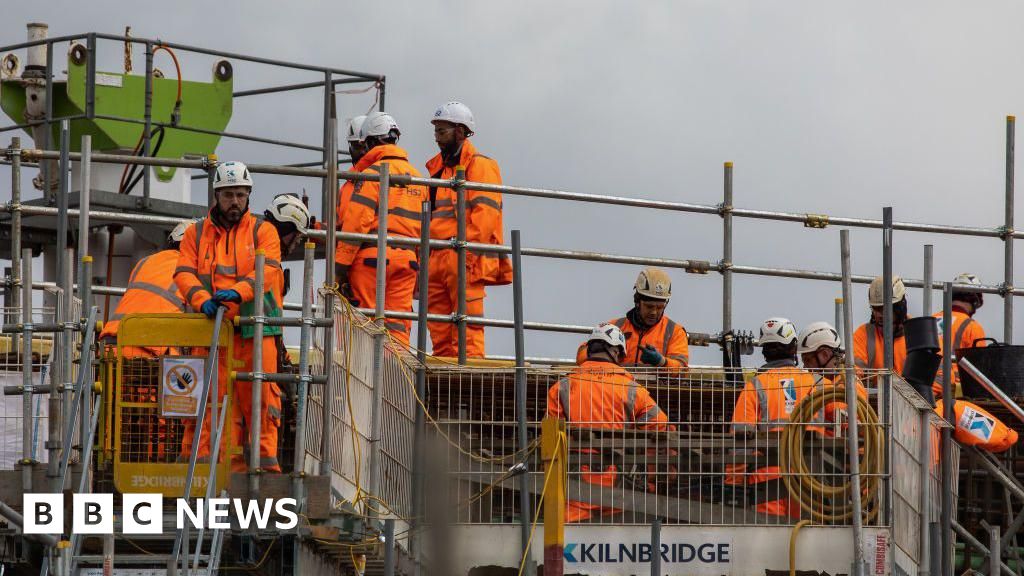
Conversely, the construction sector registered its worst performance in four years, contracting by a significant 2.1% over the same period. This downturn was attributed to a substantial fall in both repair and maintenance work and a sharp drop-off in the amount of new construction work being initiated. The slump in construction activity is a direct consequence of higher interest rates, which have increased borrowing costs for developers and homebuyers, coupled with persistent high material costs and labor shortages. Reduced investment confidence and a slowdown in the housing market contributed significantly to this sector’s woes, impacting jobs and ancillary industries.
For the entirety of 2025, the UK economy is estimated to have grown by 1.3%. This represents a slight improvement from the 1.1% growth recorded in 2024 but falls short of the 1.4% growth that the Bank of England had anticipated earlier in the year. This annual figure, while positive, remains below historical averages for the UK and reflects a period of constrained economic expansion, far from the robust growth seen in pre-financial crisis years. The consistent undershooting of growth forecasts underscores the persistent headwinds facing the British economy.
Liz McKeown, director of economic statistics at the ONS, concisely summarized the situation, stating that the overall picture remained one of "subdued growth." Her assessment resonated with the broader sentiment among economists, who view the current pace of expansion as insufficient to significantly improve living standards or public finances. Ruth Gregory, chief UK economist at Capital Economics, echoed this sentiment, describing the uptick as "disappointing" and suggesting that Britain’s economy "still has very little momentum." This lack of impetus raises questions about the sustainability of future growth and the ability of the economy to absorb potential shocks. Other economists, such as James Smith from ING, pointed to the cumulative effect of high inflation and interest rates over the past two years, which has eroded household purchasing power and stifled business investment, creating a cycle of sluggish demand.
The economic data inevitably triggered strong political reactions. Chancellor Rachel Reeves of the Labour government, which came to power in 2024, maintained a positive outlook, asserting that the government’s economic choices had "laid the groundwork for the Bank of England to cut interest rates" and had positioned Britain as "the fastest-growing European economy in the G7 group of nations." She emphasized the government’s commitment to fiscal responsibility and strategic investments designed to foster long-term growth and stability, arguing that their policies were creating a stronger and more secure economy. Reeves’ reference to the G7 ranking, while true, often comes with the caveat that it is measured against economies that may have faced deeper contractions earlier, making a rebound appear more significant.
However, Shadow Chancellor Sir Mel Stride from the opposition Conservative Party sharply criticized the government, stating that Labour had "weakened our economy." He lamented the "disappointing statistics," accusing "Downing Street and a Treasury that have taken their eye off the ball" and failing to deliver on their promise of prioritizing economic growth. Stride argued that the government’s tax increases, particularly the hike in employer National Insurance contributions, had stifled business investment and hiring, contributing to the sluggish performance. The Liberal Democrats further piled on the criticism, with their economic spokesperson claiming that Reeves’ first two Budgets as Chancellor had "killed off the economic recovery our country so desperately needs," highlighting concerns over rising taxes and a perceived lack of clear strategy for boosting business confidence. The political debate underscored the intense scrutiny on the government’s economic stewardship, especially given Labour’s explicit commitment to making economic growth its number one priority since assuming power.
Business groups also weighed in on the challenging environment. The British Chambers of Commerce (BCC) stated that 2025 had been "marked by uncertainty and rising costs for firms across the country." Their surveys of business leaders consistently identified taxes and rising inflation as their top two concerns. Bosses have voiced particular dissatisfaction with the government’s decision to increase employer National Insurance contributions, which they argue directly drives up the cost of hiring and retaining staff, thereby discouraging expansion and investment in a tight labor market. These cost pressures, combined with geopolitical uncertainties and fluctuating consumer demand, created a difficult operating environment for many UK businesses.
The latest growth figures have significant implications for monetary policy. Just a week prior to the ONS announcement, the Bank of England had kept interest rates on hold in a narrowly split decision, indicating internal divisions among policymakers regarding the future path of rates. At the same time, the Bank had revised down its forecast for economic growth in 2026 to 0.9% from a previous prediction of 1.2%, and notably raised its expectation for the unemployment rate from an initial 5% to 5.3%. These revised forecasts signalled a more pessimistic outlook from the central bank and had already heightened expectations for an interest rate cut in the coming months.
Rob Wood, chief economist at Pantheon Macroeconomics, suggested that the latest growth figures would do little to deter those within the Bank of England who are "pushing ahead with a rate cut in March." He argued that the persistent weakness in economic activity would provide sufficient justification for easing monetary policy. However, Wood also added a crucial caveat, predicting that any such rate cut in early 2026 would likely be the "last rate cut of the current cycle," implying that while the economy is currently subdued, underlying "economic momentum" might prevent further aggressive cuts. This momentum could stem from factors like easing global supply chain pressures, a gradual recovery in consumer confidence, or the delayed impact of previous fiscal stimuli.
Conversely, Suren Thiru, economics director at the Institute of Chartered Accountants in England and Wales (ICAEW), expressed skepticism about a March interest rate cut, deeming it "doubtful." He argued that the slight increase in economic output, however modest, would provide policymakers with "comfort" to wait for more definitive evidence that inflation is slowing sustainably towards the Bank’s 2% target. Thiru’s perspective suggests that the Bank might prioritize inflation control over stimulating growth, especially if wage growth or core inflation metrics remain elevated.
In conclusion, the UK economy’s 0.1% growth in the final quarter of 2025 painted a picture of an economy navigating a precarious path. While manufacturing offered a glimmer of hope, the stagnation in services and a sharp decline in construction highlighted the fragility of the recovery. The modest annual growth for 2025 fell short of expectations, intensifying the political debate over economic stewardship and raising critical questions for the Bank of England’s future monetary policy decisions. As the UK enters 2026, the economy faces continued challenges from inflation, interest rates, and global uncertainties, with the path to robust and sustainable growth remaining elusive.



 Ramos Leo
 atisusanti
 George Anjay

 Roy Suryo