Nakalama John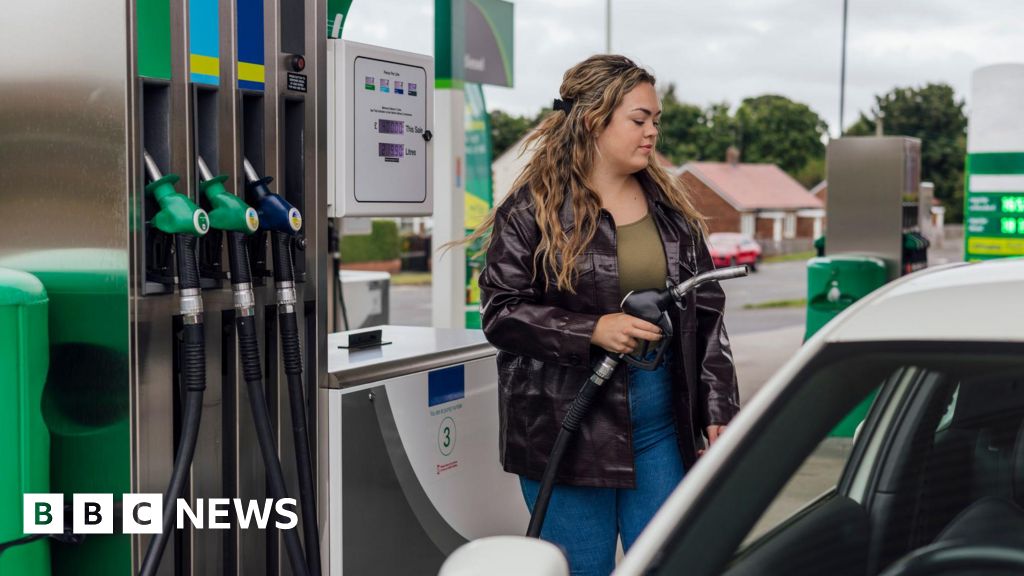
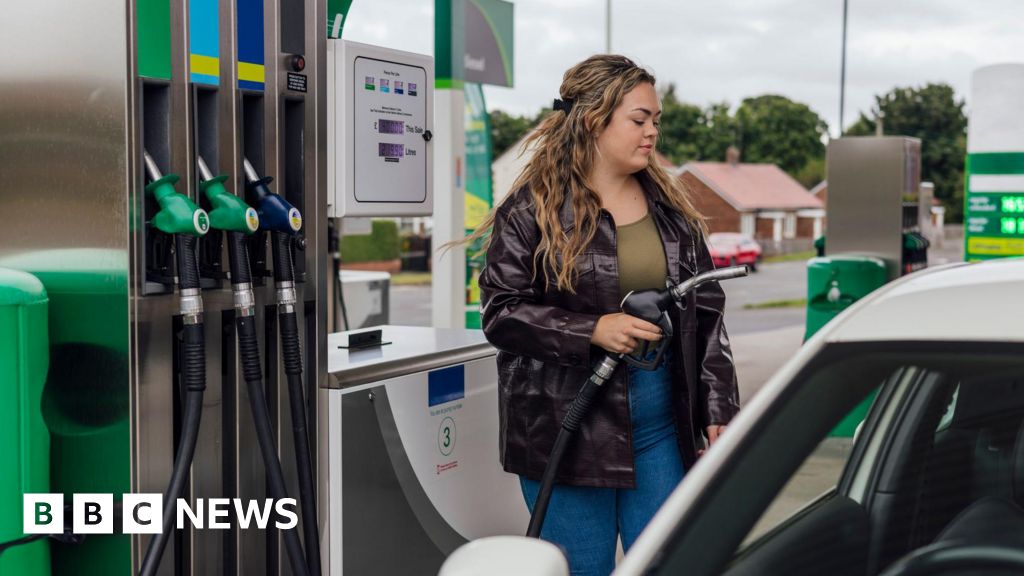
The launch of the Fuel Finder Scheme addresses a long-standing frustration among UK drivers: the opaque and often inconsistent pricing of petrol and diesel. For years, motorists have reported significant discrepancies in fuel costs even within short distances, leading to a sense of being exploited by retailers. Motoring groups have frequently highlighted that the price difference for a litre of fuel could be as much as 20p depending on the region or even the specific forecourt, translating to substantial additional costs over a year for regular commuters and families. This new transparency mechanism is designed to combat such disparities by forcing retailers to compete more aggressively for custom.
Chancellor Rachel Reeves underscored the potential financial relief this scheme could bring, stating the projected £40 annual saving for the average household. This figure, while seemingly modest, represents a tangible benefit, especially during periods of high inflation and cost-of-living pressures. The scheme’s core principle is to "spur competition," a goal articulated by the CMA. By making prices transparent and easily comparable, the watchdog expects retailers to be pressured into offering more competitive rates, thereby pushing down overall pump prices. This direct correlation between transparency and competition is seen as a vital step towards ensuring fairer pricing for consumers.
The CMA, the UK’s primary competition regulator, has been instrumental in bringing this scheme to fruition. Following extensive investigations into the UK fuel market, the authority published several critical reports highlighting systemic issues. Their most recent study concluded that competition among petrol stations remained "weak," allowing for "persistently high" profit margins for retailers. These findings reinforced the need for a robust intervention to protect consumers. A particular focus of the CMA’s concern has been the "rocket and feather" effect, a phenomenon where retail fuel prices tend to rise sharply ("like a rocket") in response to increases in crude oil costs, but fall much more slowly ("like a feather") when wholesale prices decline. The Fuel Finder Scheme is explicitly intended to counteract this effect by providing drivers with the tools to identify and choose cheaper options, thus creating a market incentive for retailers to lower prices more quickly.
For petrol retailers, the introduction of mandatory price reporting presents both challenges and opportunities. The Petrol Retailer’s Association (PRA) has acknowledged the industry’s own pressures, including rising wage bills and increased tax burdens. While acknowledging that pump prices are currently significantly lower than the record highs experienced in 2022 and 2023 following Russia’s full-scale invasion of Ukraine, the PRA’s perspective highlights the complexities of operating in a volatile market. Retailers now face the administrative task of ensuring their prices are updated within the stipulated 30-minute window, a process that requires robust internal systems and vigilance. While larger chains may have existing infrastructure for such reporting, smaller, independent forecourts might face a steeper learning curve or additional operational costs. However, the scheme also offers an opportunity for retailers to attract new customers by consistently offering competitive prices and being visible on popular comparison platforms.
The policy itself has a bipartisan political lineage. Initially proposed by the Conservative government in 2023 as a means to tackle fuel price transparency, it was subsequently adopted and announced by the Labour government in last year’s Budget, demonstrating a broad consensus on the need for such consumer protection measures. This political alignment underscores the widespread recognition of the economic and social impact of fuel prices on households and businesses across the country.
Understanding how the Fuel Finder Scheme works is key for motorists. Crucially, the government itself has not launched a dedicated app. Instead, the scheme operates as an open-source data provider. All businesses selling petrol and diesel are now legally obliged to upload their price changes to a central government database. This comprehensive, real-time dataset is then made available to existing and new third-party apps and websites. This approach leverages established technology and user habits, ensuring that drivers can access the information through platforms they already use and trust.
A variety of current comparison apps and websites are poised to integrate this enhanced data. Popular platforms such as PetrolPrices.com, Waze, My RAC, and the AA app are expected to become even more powerful tools for motorists. Additionally, in-car navigation systems and online map services are likely to incorporate this real-time pricing information, allowing drivers to find the cheapest fuel stop directly from their vehicle’s dashboard. Beyond just fuel prices, the government’s scheme also sources and shares data on other forecourt services, including the availability of car washes, air pumps, and toilets. This comprehensive approach adds further value for drivers planning their journeys, allowing them to choose a stop that meets all their needs, not just their refuelling requirements.
The timing of the scheme’s launch is notable, coinciding with a period where fuel prices have seen some relief. According to the RAC motoring group, the current average price for petrol is 131.91p per litre, marking its lowest point since July 2021. Diesel prices stand at 140.97p per litre. These figures, while still subject to global market fluctuations, provide a baseline against which the scheme’s impact can be measured. Simon Williams, head of policy at the RAC, expressed optimism about the scheme’s potential, stating, "As a growing number of the country’s 8,300 forecourts submit their prices on a daily basis, drivers will be able to easily find the cheapest forecourts near them using their favoured app or sat-nav." This sentiment reflects a widely held belief that greater transparency will inevitably lead to greater savings for the end-consumer.
The long-term impact of the Fuel Finder Scheme will be closely watched. Beyond the immediate savings, it has the potential to fundamentally alter the competitive landscape of the UK fuel retail market. Smaller, independent stations might find themselves under increased pressure to match prices offered by larger supermarkets or regional competitors. Conversely, it could also allow them to attract customers through competitive pricing, if they are willing to reduce margins. The scheme sets a precedent for consumer data transparency and could inspire similar initiatives in other sectors where pricing can be opaque and competition perceived as weak. Regular monitoring by the CMA will be crucial to ensure compliance by retailers and to assess whether the scheme genuinely delivers on its promise of fairer prices and increased competition for all UK drivers.



 George Anjay
 Ramos Leo
 Roy Suryo
 atisusanti