Nakalama John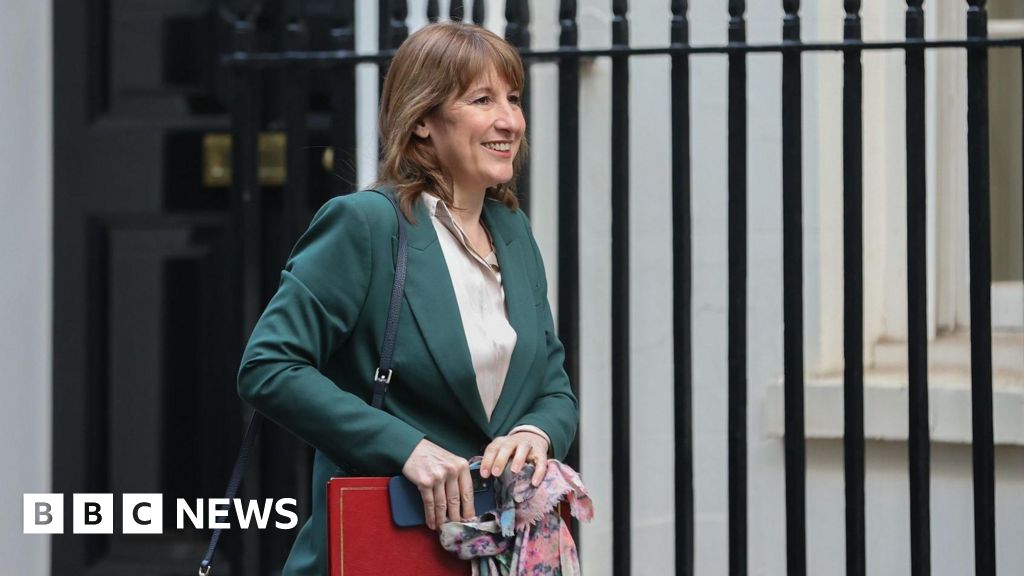
According to the Office for National Statistics (ONS), the surplus – which represents the difference between the government’s income from taxation and its expenditure – reached an impressive £30.4 billion in January. This figure not only surpassed analysts’ expectations of £23.8 billion but also marked the highest monthly surplus ever recorded since data collection began in 1993, without adjusting for inflation. It significantly eclipsed the £15.4 billion surplus reported in January of the previous year, highlighting a notable improvement in the public finances.
January traditionally sees a higher collection of tax revenues compared to other months, primarily due to the influx of self-assessed tax payments from individuals and businesses. However, this year’s record-breaking surplus was substantially bolstered by an exceptional increase in capital gains tax payments to HM Revenue & Customs. This suggests a buoyant period for asset sales and investments, leading to higher taxable profits for individuals and corporations.
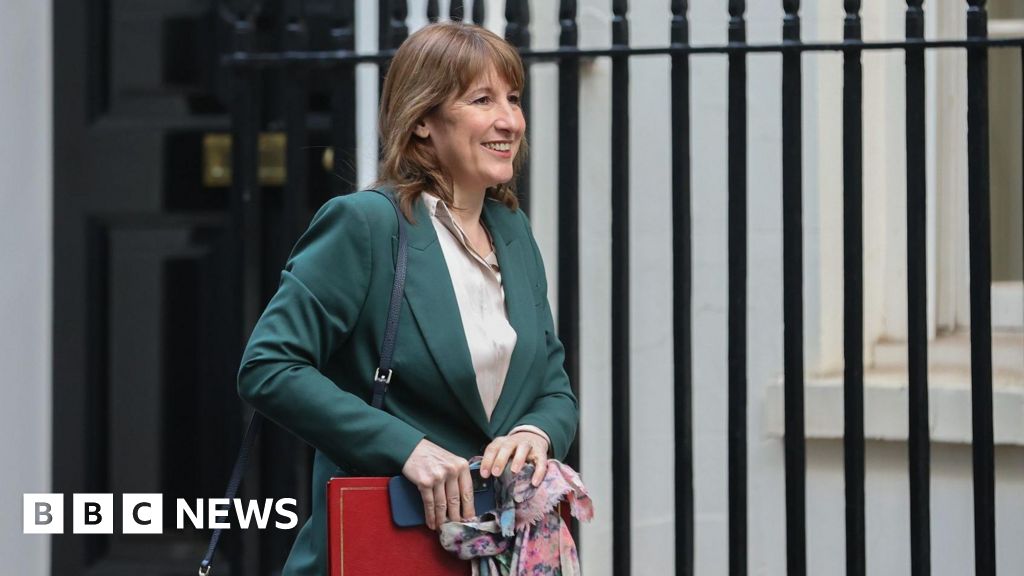
The timing of these positive figures is particularly pertinent, as they precede the Chancellor Rachel Reeves’ Spring Statement, scheduled for March 3rd. Such favourable economic data could provide Chancellor Reeves with a stronger position and potentially more flexibility when outlining future fiscal plans and policy adjustments. The improved financial standing offers a potential buffer against ongoing economic uncertainties and could influence decisions regarding public spending, investment, or even future tax considerations.
Looking at the broader picture, the cumulative borrowing for the first ten months of the fiscal year, up to January, stood at £112.1 billion. While this represents an 11.5% reduction compared to the same period a year ago, the ONS cautioned that it still ranks as the fifth-highest borrowing figure for this specific ten-month period on record. Despite this historical context, HM Treasury expressed optimism, forecasting that overall borrowing for 2026 would be "the lowest since before the pandemic."
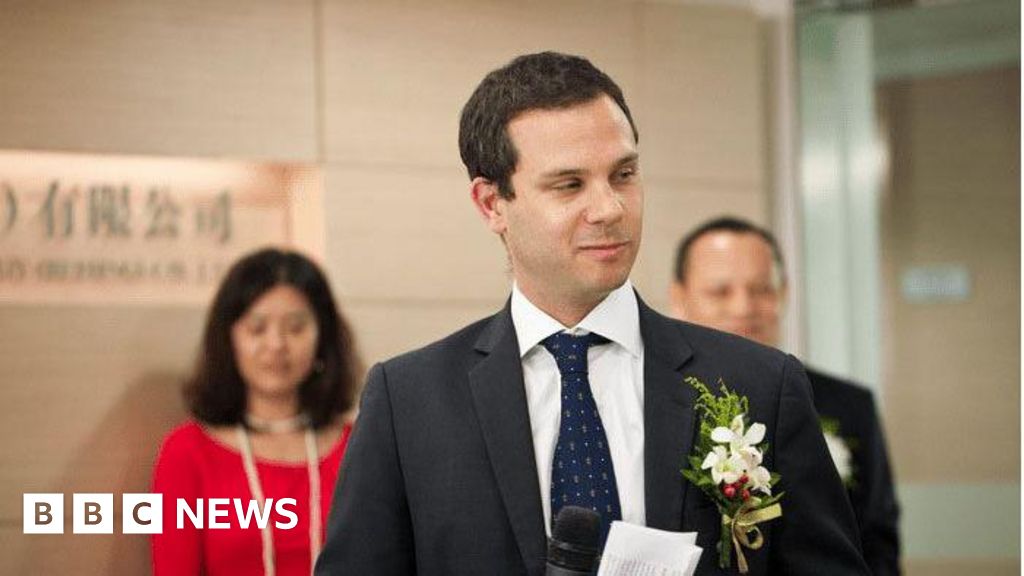
Chief Secretary to the Treasury, James Murray, acknowledged the progress but stressed that further work is needed. He highlighted the significant burden of debt interest payments, noting that "one in every £10 the government spends going on debt interest" is unsustainable. Murray reiterated the government’s commitment to fiscal responsibility, stating, "we will more than halve borrowing by 2030-31 so that money can be spent on policing, schools and the NHS." This statement underscores the government’s long-term strategy to reduce the national debt burden and redirect resources towards essential public services, aiming for a more sustainable economic future.
Adding to the positive economic narrative, separate official data revealed a stronger-than-expected performance in retail sales for January. The volume of goods bought across the UK increased by 1.8% in January, a substantial rise from the 0.4% growth observed in December. This figure considerably surpassed the 0.2% increase anticipated by City economists, indicating a stronger rebound in consumer spending at the start of the year. The boost in retail performance was broad-based but particularly pronounced in specific categories, including robust demand for sports supplements and jewellery. Sales of artwork and antiques also experienced a healthy uptick, suggesting a broader improvement in discretionary spending.
Paul Dales, chief economist at Capital Economics, commented on these developments, stating, "The big reduction in public borrowing and surge in retail sales in January support other evidence that the economy started the year looking a lot healthier." He added that these encouraging figures would undoubtedly give Chancellor Rachel Reeves "something positive to point to" during her Spring Statement. This sentiment reflects a growing confidence among some economists that the UK economy is navigating current challenges with a degree of resilience, perhaps laying the groundwork for more stable growth.
A closer examination of the factors contributing to the government’s improved finances reveals several key drivers. Chancellor Reeves’ decision to freeze income tax thresholds has played a significant role. This policy, often referred to as ‘fiscal drag’, means that as nominal incomes rise due to inflation or wage increases, more individuals are drawn into higher tax brackets, or pay a larger proportion of their income in tax, without any change in tax rates. Dales estimated that this freeze brought in an additional £3.6 billion compared to a year ago, illustrating the substantial revenue-generating power of this policy. Furthermore, the remarkable "£17 billion surge" in capital gains tax receipts in January was a major contributor. This type of tax is levied on the profit made from selling an asset that has increased in value, such as property, shares, or other investments. A significant surge suggests a period of active asset trading and strong appreciation in asset values, generating considerable revenue for the Treasury.
Another crucial factor that eased the pressure on public finances was a reduction in interest payments on the national debt. The ONS reported that lower interest costs helped to offset increased spending on public services and benefits. This reduction in debt interest payments can be attributed to several factors, including a potential decrease in inflation expectations which impacts inflation-linked government bonds (gilts), or a general easing in market interest rates for government borrowing. This provides valuable headroom for the government’s budget, allowing more funds to be allocated to other priorities.
However, Dales also offered a note of caution regarding the sustainability of these positive trends. He highlighted that despite the strong January performance, "borrowing has failed to come down much" when viewed across the entire fiscal year. This suggests that while individual months may show improvement, the overall trajectory of public debt remains a concern. Similarly, he suggested that some of the boost in retail spending might be transient, particularly the demand for items like sports supplements, which could be linked to New Year’s resolutions and fall back as the initial enthusiasm wanes. He further underscored this point by referencing recent figures indicating a slowdown in wage growth and unemployment reaching its highest level in five years. These broader economic indicators could dampen sustained consumer spending in the longer term, posing a challenge to continuous retail growth.
The political landscape also reflects these economic debates. Shadow Chancellor Mel Stride criticised the government’s economic management, stating that Labour’s "record high taxes and irresponsible spending have weakened the economy." He pointed to inflation still being above target, a stagnant economy, and the absence of a clear "growth strategy." Stride further warned that national debt would "rise every single year" under Labour, along with an escalating debt interest bill, raising concerns about the long-term fiscal health of the nation.
In its release, the ONS provided a stark perspective on the national debt, noting that the debt-to-GDP ratio – a critical measure of public debt relative to the size of the economy – stood at 92.9% at the end of January 2026. This level, the ONS highlighted, "remains at levels last seen in the early 1960s," underscoring the significant long-term fiscal challenge facing the UK. While January’s figures offered a welcome respite, the broader economic context and the weight of historical debt continue to demand careful management and strategic foresight from the government.


 George Anjay
 Ramos Leo
 Roy Suryo
 atisusanti