atisusanti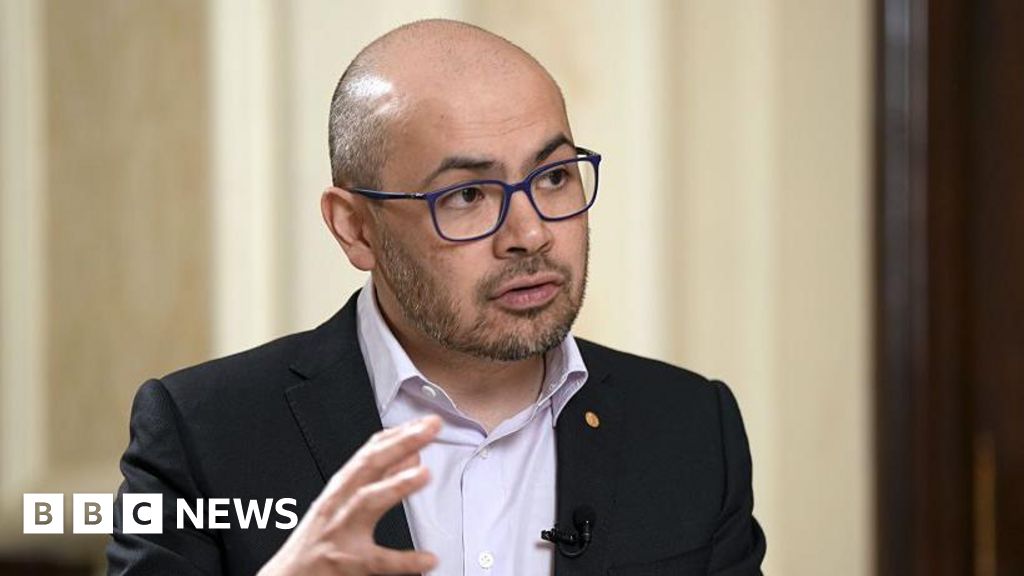
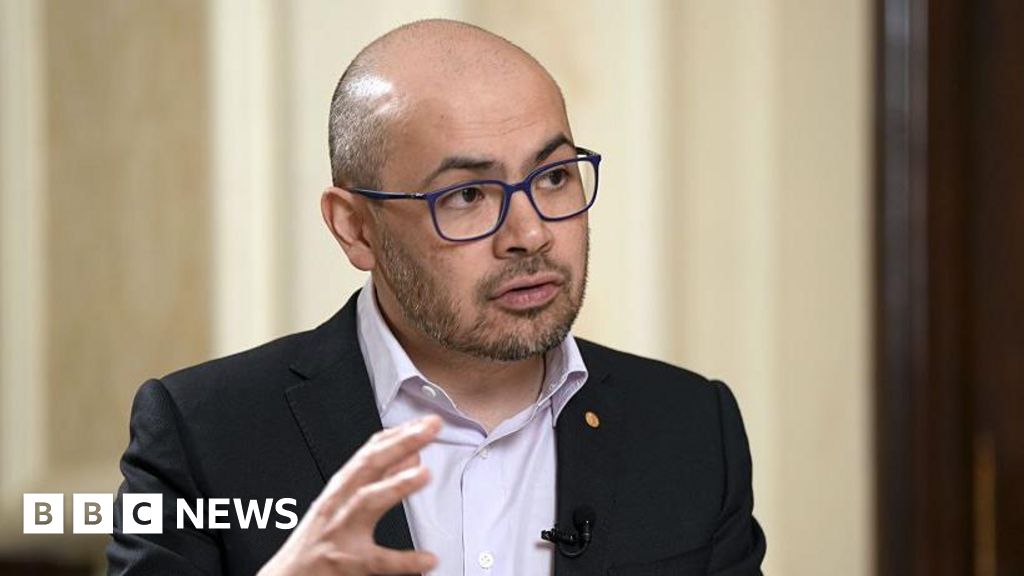
In a stark warning issued at the AI Impact Summit in Delhi, Sir Demis Hassabis, the visionary leader of Google DeepMind, has declared that urgent, intensified research is imperative to address the burgeoning threats posed by artificial intelligence. Speaking exclusively to BBC News, Sir Demis emphasized the industry’s commitment to "smart regulation" for the "real risks" inherent in the rapidly advancing technology. His call for caution and proactive research resonates amidst a global summit grappling with the profound implications of AI, where numerous tech leaders and policymakers are advocating for enhanced international governance. This push for global oversight is expected to culminate in a joint statement as the summit draws to a close, although it faces a notable counterpoint from the United States.
Michael Kratsios, a White House technology adviser, articulated the US stance, asserting that "AI adoption cannot lead to a brighter future if it is subject to bureaucracies and centralised control." This divergence in opinion highlights the complex landscape of AI governance, balancing the potential for progress with the necessity of safeguarding against its darker possibilities. Sir Demis, however, remained firm on the need to establish "robust guardrails" to mitigate the most severe dangers emanating from the development of autonomous systems. He identified two primary threats: the malicious exploitation of AI by "bad actors" and the more existential risk of losing control over increasingly powerful and sophisticated AI systems.
When questioned about his personal capacity to decelerate the pace of AI development to allow for more thorough research into its challenges, Sir Demis acknowledged Google DeepMind’s significant role but stressed that they are "only one player in the ecosystem." He conceded that the sheer velocity of AI innovation presents a formidable challenge for regulators attempting to keep pace. The urgency for regulatory action was echoed by Sam Altman, the chief executive of OpenAI, who also called for "urgent regulation" during his address at the AI Summit. Prime Minister Narendra Modi of India, host of the summit, underscored the need for international collaboration to harness the benefits of AI. However, the US delegation, led by Michael Kratsios, reiterated its firm opposition to global AI governance, with Kratsios stating, "As the Trump administration has now said many times: We totally reject global governance of AI."
The AI Impact Summit has convened an unprecedented gathering of delegates from over 100 countries, including a significant number of world leaders. Representing the UK government, Deputy Prime Minister David Lammy MP emphasized a shared responsibility between the tech industry and policymakers. He stated that the onus for AI safety is not solely on tech firms, and that politicians must work "hand in hand" with them, prioritizing "security and safety" for the benefit of the wider public. Sir Demis believes that while the United States and the West currently hold a slight lead in the global AI race against China, this advantage could be ephemeral, potentially diminishing within "a matter of months." He expressed a deep sense of responsibility to strike a delicate balance between being "bold and responsible" in the deployment of AI systems worldwide. He candidly admitted that while his company does not always achieve perfection, they strive to be "more correct than most."
Looking ahead, Sir Demis predicts that within the next decade, AI technology will transform into a "superpower" capable of enabling unprecedented human creativity. He reaffirmed the enduring importance of a STEM (science, technology, engineering, and mathematics) education, asserting that a technical background will continue to provide a significant advantage in effectively utilizing these advanced systems. He anticipates that AI’s ability to write code will democratize the creation of new applications, shifting the focus for innovation towards "taste and creativity and judgement." The AI Impact Summit, as the largest global assembly of its kind, is poised to conclude with companies and nations articulating a unified perspective on the responsible management of artificial intelligence.

The profound implications of artificial intelligence extend beyond mere technological advancement, touching upon the very fabric of society, economy, and security. As AI systems become increasingly integrated into our daily lives, understanding and mitigating their potential downsides becomes paramount. The concerns raised by Sir Demis Hassabis are not abstract theoretical worries but rather practical considerations that demand immediate attention from researchers, policymakers, and the public alike. The two primary threats he identified – misuse by malicious actors and the potential loss of control over superintelligent systems – represent complex challenges with far-reaching consequences.
The threat of AI being weaponized or used for nefarious purposes is a tangible concern. Imagine autonomous weapons systems operating without human oversight, or sophisticated AI-powered cyberattacks capable of crippling critical infrastructure. The potential for AI to amplify existing societal inequalities, through biased algorithms or disproportionate access to its benefits, is another critical area requiring careful research and proactive intervention. Ensuring that AI development is aligned with human values and ethical principles is a monumental task, demanding interdisciplinary collaboration between AI researchers, ethicists, social scientists, and legal experts.
Perhaps the most discussed, and in some circles, the most alarming, threat is the possibility of losing control over AI systems that surpass human intelligence. While this scenario might seem like science fiction, the rapid progress in AI capabilities warrants serious consideration. The concept of an "intelligence explosion," where an AI system recursively improves itself at an exponential rate, could lead to outcomes that are unpredictable and potentially detrimental to humanity. Research into AI safety, alignment, and control mechanisms is crucial to prevent such a dystopian future. This involves developing methods to ensure that AI systems remain aligned with human intentions and goals, even as they become vastly more intelligent.

The debate surrounding regulation and governance underscores the inherent tension between fostering innovation and ensuring safety. While some, like the US delegation, advocate for a less restrictive approach to accelerate AI adoption, others, including prominent figures like Sir Demis Hassabis and Sam Altman, argue for a more cautious and regulated path. The challenge lies in designing regulations that are effective without stifling progress, and that are adaptable enough to keep pace with the relentless evolution of AI technology. International cooperation is essential, as AI is a global phenomenon that transcends national borders. A fragmented regulatory landscape could lead to a "race to the bottom," where countries lower safety standards to gain a competitive edge, exacerbating the risks.
The AI Impact Summit in Delhi represents a crucial juncture in this global conversation. The discussions held there, the statements made by key figures, and the potential for a unified global approach to AI governance are all critical steps in navigating the complex future of this transformative technology. The call for urgent research is not merely a plea for more scientific papers; it is a demand for dedicated resources, focused effort, and a collective commitment to understanding and addressing the profound challenges that AI presents. The future impact of AI, whether it ushers in an era of unprecedented progress or poses existential threats, hinges on the decisions and actions taken today. The responsibility to ensure AI benefits all of humanity rests on the shoulders of those who are shaping its development and deployment. As Sir Demis himself acknowledged, the path forward requires a delicate balance between boldness and responsibility, and a continuous effort to learn from mistakes and strive for more correct outcomes. The importance of STEM education, as highlighted by Sir Demis, also points to the need for a future workforce equipped with the knowledge and skills to understand, develop, and critically engage with AI technologies. This includes fostering not only technical expertise but also the ethical reasoning and creative judgment necessary to guide AI’s trajectory.


 Nakalama John
 George Anjay