atisusanti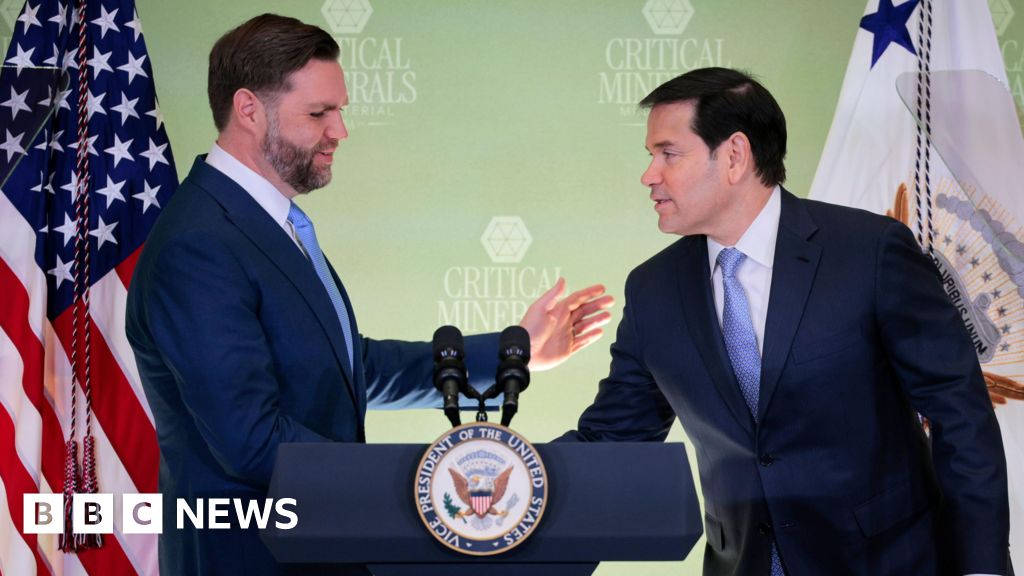
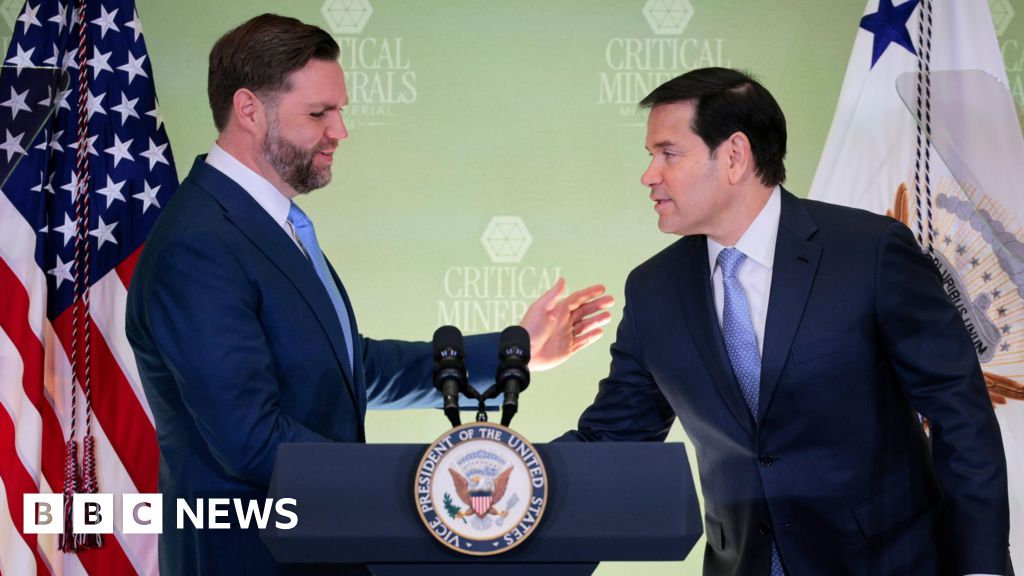
The United States has unveiled a comprehensive strategy to dismantle China’s near-monopoly over the global supply chain of critical minerals, essential components for everything from advanced electronics and renewable energy technologies to national defense systems. This ambitious initiative, formalized at the inaugural Critical Minerals Ministerial hosted by the State Department, signals a concerted international effort to diversify sources, foster domestic production, and build resilient supply chains, thereby mitigating geopolitical risks and ensuring economic security. The ministerial brought together a coalition of key allies and partners, including the United Kingdom, the European Union, Japan, India, South Korea, Australia, and the Democratic Republic of Congo, underscoring the widespread recognition of the strategic imperative to address this vulnerability.
Discussions at the high-level gathering centered on enhancing the availability and accessibility of minerals deemed indispensable for modern manufacturing, particularly for components such as semiconductors and lithium-ion batteries that power electric vehicles. China currently exerts significant control over both the mining and, more crucially, the processing of these vital resources, including rare earth elements, which are foundational to many cutting-edge technologies. This dominance has long been a point of contention, with concerns mounting that Beijing could leverage its position for economic or political leverage.
While Vice President JD Vance and Secretary of State Marco Rubio, in official statements released by the US government, deliberately avoided naming China directly, their remarks clearly alluded to the challenges posed by "foreign supply" dynamics. Vance highlighted how an influx of critical minerals into global markets, often at artificially low prices, can stifle investment in countries possessing their own mineral reserves, making it difficult for them to secure the necessary capital for extraction and processing. To counteract this, the US plans to implement tariffs on critical minerals, aiming to stabilize prices and create a more predictable environment conducive to investment in domestic and allied production.
Further bolstering this commitment, David Copley, a special assistant to President Donald Trump, announced that the US intends to "deploy hundreds of billions of capital into the mining sector to get projects going." This significant financial infusion is already being channeled into promising ventures. Investments have been made in several key companies, including MP Materials, a leading producer of rare earth magnets vital for electric motors and wind turbines, and Lithium Americas, a crucial supplier of lithium for rechargeable batteries. These investments are emblematic of the broader strategy to revitalize domestic mining and processing capabilities.
The US Trade Representative, Jamieson Greer, elaborated on the collaborative nature of this endeavor, revealing that the US, Japan, and the European Commission are actively developing "coordinated trade policies and mechanisms." This strategic alignment aims to collectively navigate potential disruptions and ensure a steady flow of essential minerals, creating a united front against any attempts to weaponize resource dependency.
In response to these developments, a spokesperson for China’s Foreign Ministry issued a statement urging countries to adhere to the principles of market economics and international trade rules, while also calling for enhanced communication and dialogue. This response suggests China’s awareness of the growing international resolve to diversify away from its dominant position.
The Critical Minerals Ministerial is a cornerstone of a wider US government initiative designed to counter China’s ability to wield its industry dominance as a bargaining chip in international trade negotiations. This strategic move is not isolated; on Monday, President Trump announced the establishment of "Project Vault," a critical mineral reserve valued at nearly $12 billion (£8.8 billion). This reserve is intended to provide a strategic buffer against supply disruptions and to stabilize prices during periods of market volatility.
The announcement has been met with widespread approval from industry leaders who recognize the urgency of securing these foundational materials. Wade Senti, president of Advanced Magnet Lab, emphasized the critical nature of the US taking "decisive steps to shore up our supply of all kinds of minerals and rare earths." His sentiment reflects a broader industry consensus that a proactive and robust approach is essential for future technological and economic competitiveness.
China’s entrenched position in the rare earth market, coupled with recent tightening of export controls, has amplified these concerns. Beijing’s requirement for companies to obtain government approval before exporting these minerals, though subsequently eased, has been interpreted by analysts as a strategic maneuver to exert influence in trade discussions with the United States and other nations. This practice underscores the geopolitical implications of critical mineral supply chains and the need for a diversified and secure global landscape.
The US plan goes beyond mere investment; it encompasses a multi-pronged approach that includes diplomatic engagement, strategic partnerships, and the development of new processing technologies. The goal is not only to increase the volume of critical minerals available but also to ensure that these minerals are sourced and processed in a manner that upholds environmental and labor standards, thereby creating a more sustainable and ethically sound supply chain.
The strategic importance of critical minerals cannot be overstated. They are the bedrock of the green energy transition, powering everything from solar panels and wind turbines to electric vehicles. They are also indispensable for advanced defense systems, telecommunications infrastructure, and the miniaturization of electronics that define the modern era. China’s current dominance in this sector presents a significant challenge to nations striving for technological independence and economic resilience.
The US-led initiative, by fostering collaboration among like-minded nations, aims to create a robust and diversified network of suppliers and processors. This will involve incentivizing exploration and extraction in countries with significant untapped reserves, supporting the development of advanced processing technologies to reduce reliance on China’s established infrastructure, and encouraging the recycling and reuse of critical minerals to minimize waste and conserve resources.
The establishment of "Project Vault" further strengthens this strategy by providing a national strategic reserve. This reserve acts as a crucial buffer against sudden supply shocks, whether they stem from geopolitical events, natural disasters, or deliberate export restrictions. By maintaining a significant stockpile, the US can ensure continuity of supply for its defense industries and critical manufacturing sectors, even in the face of global uncertainty.
The long-term vision behind this initiative is to rebalance the global critical minerals landscape, moving away from a single point of failure towards a more distributed and secure system. This requires sustained commitment, substantial investment, and close cooperation among nations. The inaugural Critical Minerals Ministerial represents a significant step forward in this collective endeavor, signaling a unified resolve to secure the resources that will define the technologies and economies of the 21st century. The success of this plan will be crucial in shaping the future of global trade, innovation, and national security, ensuring that the transition to a new technological era is not dictated by the leverage of a single nation.



 Ramos Leo
 Nakalama John
 George Anjay