George Anjay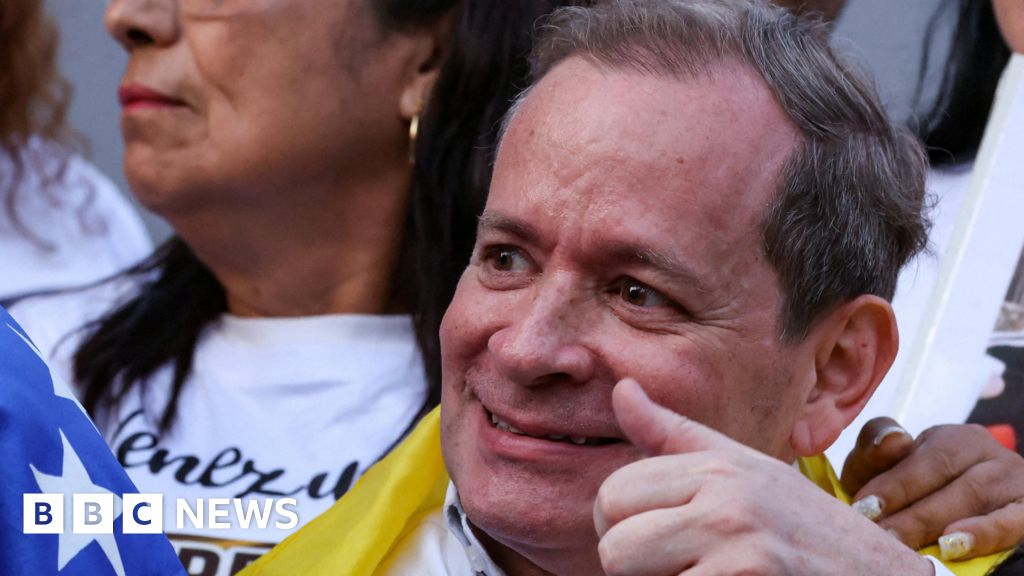
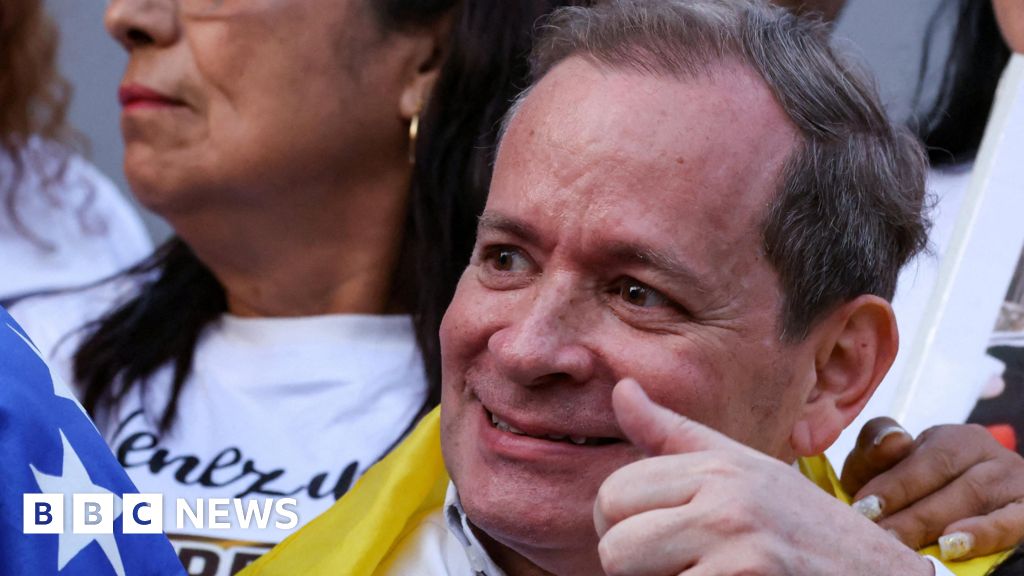
Venezuelan opposition politician Juan Pablo Guanipa has declared his release from what he described as "almost nine months of unjust imprisonment" via a social media announcement, marking a significant development in the country’s ongoing political landscape. His liberation comes on the heels of the interim President, Delcy Rodríguez, formally signing an amnesty bill that was previously approved by the National Assembly. This legislative act holds the potential to pave the way for the release of hundreds of individuals currently detained under political charges, a move that has been keenly anticipated both domestically and internationally.
The interim government, led by Rodríguez, has been under considerable pressure, particularly from the United States, to expedite the release of Venezuela’s remaining political prisoners. These delays in the implementation of the amnesty law had become a point of contention, raising concerns about the sincerity and effectiveness of the government’s stated commitment to reconciliation. Despite the passage of the bill, Guanipa voiced his reservations, characterizing the amnesty law as a "flawed document." His critique stems from the belief that the legislation, in its current form, excludes a substantial number of Venezuelans who he asserts remain "unjustly" incarcerated. This suggests that the amnesty may not be as comprehensive as initially hoped, leaving many advocates and families of detainees dissatisfied.
Juan Pablo Guanipa is a prominent figure within Venezuela’s political opposition, serving as the leader of the center-right Justice First party. His prior role as vice-president of the National Assembly underscores his significant influence and experience in the country’s legislative arena. His detention and subsequent release highlight the volatile and often contentious nature of political activism in Venezuela, where dissent can frequently lead to legal repercussions.
The socialist government of Venezuela has historically maintained a firm stance against acknowledging the existence of political prisoners, consistently denying such claims. However, shortly after the capture of Nicolás Maduro – an event that remains a focal point of political turmoil – the government announced on January 8th that "a significant number" of prisoners would be freed. This announcement was framed as a gesture of goodwill, intended to de-escalate tensions and potentially foster a more conciliatory political climate. Yet, the subsequent delays and the selective nature of releases have fueled skepticism among opposition groups and human rights organizations.
For years, opposition parties and international human rights watchdogs have consistently accused the government, particularly under the leadership of Nicolás Maduro, of employing the detention of political prisoners as a deliberate strategy to suppress dissent, silence critics, and consolidate power. These allegations paint a grim picture of a nation where the exercise of fundamental freedoms, such as freedom of speech and assembly, is often met with severe penalties. The cycle of arrests, detentions, and releases, often tied to political negotiations or international pressure, has become a recurring theme in Venezuela’s complex political narrative.
Interim President Rodríguez has publicly articulated her vision for the amnesty bill, describing it as a mechanism intended for the "offering and receiving of forgiveness." This rhetoric suggests an aspiration for national reconciliation and a potential turning point in the country’s deeply divided society. However, the practical application of such a broad concept as forgiveness is proving to be a challenging endeavor, especially when contrasted with the experiences of those who believe they have been unjustly persecuted.
Despite the government’s pronouncements, activists operating within Venezuela have voiced significant concerns regarding the protracted delays in the implementation of the amnesty law. Furthermore, a persistent lack of transparency surrounding the process of identifying and releasing individuals has raised alarm bells. The ambiguity over who is being freed and on what specific grounds fuels suspicion and doubt about the fairness and impartiality of the judicial and penal systems. This opaqueness makes it difficult for families and supporters to ascertain the fate of their loved ones and to ensure that the amnesty is applied equitably.
The political climate in Venezuela has been characterized by a protracted struggle for power and influence between the ruling socialist party and a fractured but resilient opposition. The economic crisis, which has led to widespread shortages of essential goods, hyperinflation, and mass emigration, has further exacerbated social and political tensions. In this context, the release of political prisoners, while a positive step, is often viewed as one component of a much larger and more complex process of democratic transition and stabilization.
The international community, including the United States and various European nations, has played an active role in monitoring the human rights situation in Venezuela and has often called for the release of political detainees. Sanctions have been imposed on Venezuelan officials deemed responsible for human rights abuses and undermining democratic institutions. The amnesty law, therefore, can also be seen as a response to this sustained international pressure, albeit one that is being met with caution and scrutiny by those directly affected.
The Justice First party, to which Juan Pablo Guanipa belongs, is a significant component of the broader opposition coalition that has sought to challenge the authority of the Maduro government. Their efforts have often been met with significant obstacles, including electoral boycotts, internal divisions, and governmental repression. Guanipa’s personal experience with detention and his subsequent critical assessment of the amnesty law provide a valuable insight into the ongoing struggles and complexities faced by the Venezuelan opposition.
The concept of amnesty itself is a powerful tool in transitional justice, often employed to facilitate peace processes and overcome past conflicts. However, its effectiveness hinges on its inclusivity, transparency, and the genuine commitment of all parties involved to a path of reconciliation. In Venezuela, the application of amnesty has been complicated by a history of deep political polarization and a lack of trust between the government and the opposition.
The future implications of this amnesty law remain to be seen. While it offers a glimmer of hope for many, the concerns raised by figures like Juan Pablo Guanipa underscore the challenges that lie ahead in achieving a comprehensive and just resolution to the ongoing political crisis in Venezuela. The path towards lasting stability and democratic reform will likely require more than just legislative measures; it will necessitate a fundamental shift in governance, respect for human rights, and a genuine dialogue aimed at addressing the root causes of the country’s multifaceted challenges. The release of Juan Pablo Guanipa is a symbolic victory for the opposition, but the broader struggle for justice and freedom in Venezuela continues.



 atisusanti
 Nakalama John
 Ramos Leo
 Roy Suryo