Nana Banana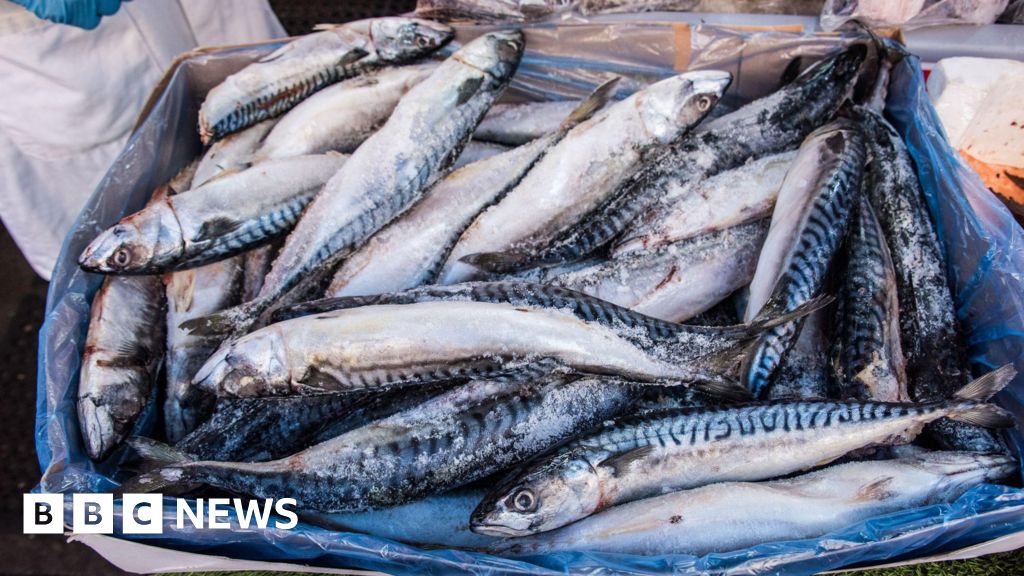
Waitrose, the upscale British supermarket chain, has announced a decisive move to suspend all sales of mackerel products, citing grave concerns over persistent overfishing and the dwindling health of North East Atlantic mackerel stocks. This bold stance, which the retailer claims is a first for a major UK supermarket, underscores a growing urgency within the industry to address unsustainable fishing practices that threaten marine ecosystems and future food security. The suspension will take effect for fresh, chilled, and frozen mackerel by April 29th, with tinned mackerel products following suit once existing stock is depleted, demonstrating a comprehensive commitment to the new policy.
The decision by Waitrose is a direct response to alarming scientific assessments from leading marine research bodies. In September, the International Council for the Exploration of the Sea (ICES), an intergovernmental scientific organization that provides advice on the marine environment, issued a stark warning. Their analysis indicated that mackerel supplies in the critical North East Atlantic region had plummeted into a "danger zone," necessitating drastic intervention. ICES recommended an unprecedented 70% reduction in catches to allow the depleted fish population sufficient time and opportunity to reproduce and recover. This substantial cut was deemed essential to prevent a complete collapse of the stock, which would have devastating ecological and economic repercussions.
Mackerel, a highly migratory and fast-growing pelagic fish, plays a crucial role in the marine food web. It serves as a vital food source for larger predatory fish, marine mammals, and seabirds, making its health indicative of the broader ecosystem’s well-being. The species’ migratory nature, however, also complicates its management, as it traverses the waters of numerous nations, each with its own fishing interests and quotas. This shared resource often leads to complex political negotiations and, frequently, a failure to adhere to scientific advice.
Indeed, the international response to the ICES recommendation fell significantly short of the scientific guidance. In December, a consortium of key fishing nations – the UK, Norway, the Faroe Islands, and Iceland – convened to agree on catch limits for the upcoming season. While they did concur on a reduction, the agreed cut amounted to only 48%, a figure that Waitrose, alongside leading conservation groups, deemed insufficient to address the severity of the crisis. This disparity between scientific advice and political action highlighted the ongoing challenges in achieving genuinely sustainable fisheries management on an international scale. For Waitrose, a 48% reduction, while a step in the right direction, was simply not enough to safeguard the long-term viability of the mackerel stock and meet its own stringent ethical sourcing requirements.
All of Waitrose’s mackerel products were previously sourced from Scottish waters, a region heavily reliant on the fishing industry. The supermarket’s decision signals that even locally sourced fish must meet global sustainability benchmarks. From May 2026, the grocery chain has declared that North East Atlantic mackerel will no longer meet its internal responsible sourcing standards, effectively setting a new bar for its suppliers. This forward-looking declaration gives the industry a clear deadline and incentivizes a shift towards more sustainable practices across the supply chain.
Jake Pickering, Head of Agriculture, Aquaculture and Fisheries at Waitrose, articulated the supermarket’s position with conviction. "By suspending sourcing of mackerel at Waitrose," he stated, "we are reinforcing our ethical and sustainable business commitments, acting to tackle overfishing and protect the long-term health of our oceans and this crucial fish." Pickering emphasized that this move is not merely a commercial decision but a fundamental alignment with the John Lewis Partnership’s broader ethical and sustainability agenda. The company aims to leverage its market influence to drive positive change, demonstrating that responsible business practices can, and should, extend to the furthest reaches of its supply chain, including the health of wild fish stocks.
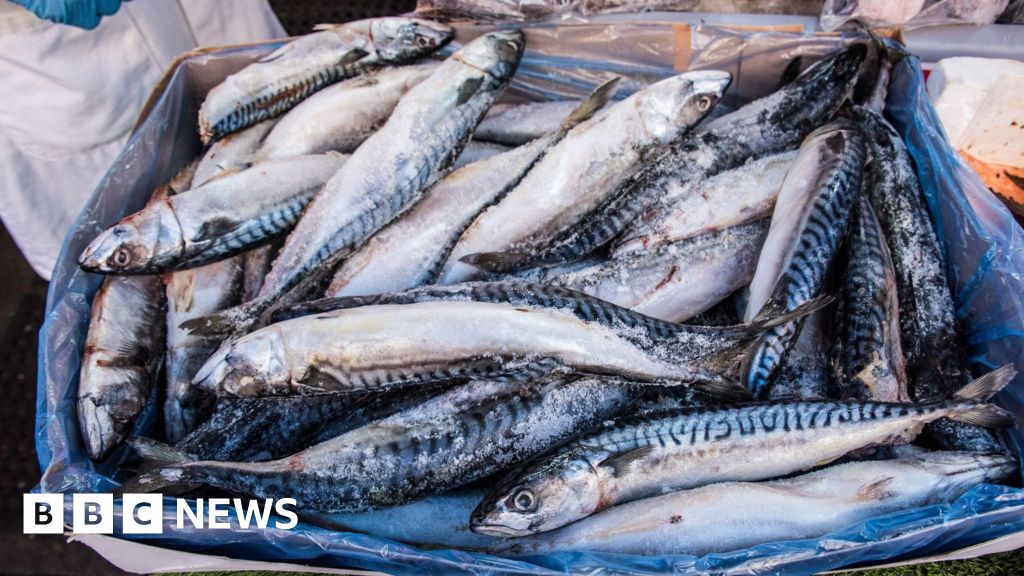
In the interim, Waitrose has committed to replacing its current mackerel offerings with "responsibly sourced" alternatives. A cornerstone of this replacement strategy is the exclusive use of Marine Stewardship Council (MSC) certified products. The MSC is an international non-profit organization that sets a standard for sustainable fishing. Fisheries that wish to be certified are assessed by independent experts against MSC’s three core principles: healthy fish stocks, minimizing environmental impact, and effective management. This certification provides consumers with an assurance that the seafood they are purchasing comes from a well-managed, sustainable fishery. By prioritizing MSC-certified alternatives, Waitrose aims to provide customers with sustainable choices while making a definitive stand against overfishing and supporting the long-term health and sustainability of global fish stocks. This approach not only fills a gap on its shelves but also educates consumers about the importance of sustainable seafood choices.
The announcement has been met with significant praise from marine conservation organizations, who have long campaigned for stronger action against overfishing. Last year, the Marine Conservation Society (MCS), a leading UK charity dedicated to protecting marine life, highlighted the precarious state of mackerel. Their report indicated that mackerel was "under immense pressure from fishing activities across multiple nations, and the stock will soon be no longer able to sustain itself." The MCS operates the widely respected Good Fish Guide, which provides consumers and businesses with advice on sustainable seafood choices, often categorizing fish based on the health of their stocks and fishing methods.
Kerry Lyne, the Good Fish Guide Manager at the MCS, warmly welcomed Waitrose’s decision, calling it a "bold and necessary step." She reiterated the critical need for collaborative effort across the entire supply chain. "To keep favourites like mackerel on the menu," Lyne stressed, "we need support right across the supply chain with fishing kept within sustainable limits." Her comments underscore the shared responsibility among retailers, suppliers, consumers, and governments to ensure that marine resources are managed responsibly for future generations.
Charles Clover, co-founder of the influential conservation charity Blue Marine Foundation, echoed these sentiments, describing overfishing as a "crisis" that has been "ignored for too long." The Blue Marine Foundation is dedicated to creating marine reserves and establishing sustainable fisheries. Clover lamented the systemic failure to heed scientific advice, which is designed to maintain healthy fish stocks and enable them to recover from fishing pressures. He expressed hope that Waitrose’s high-profile action would serve as a catalyst, propelling the issue of sustainable fisheries to the forefront of the political agenda. Clover’s remarks also brought into sharp focus the broader regulatory failures, pointing out that "last year more than half of UK catch limits were set above sustainable levels," a damning indictment of current fisheries management policies.
The implications of Waitrose’s decision extend beyond its own shelves. It places considerable pressure on other major supermarkets and food retailers to re-evaluate their own sourcing policies for mackerel and potentially other at-risk species. If other retailers follow suit, it could trigger a significant shift in the market, forcing fishing nations and international bodies to adopt more stringent, science-based quotas. For the fishing industry, particularly those operating in Scottish waters, the move presents a challenge but also an opportunity to adapt and invest in certified sustainable practices. While there might be short-term economic adjustments, the long-term viability of the industry hinges on the health of the fish stocks it depends upon.
For consumers, the suspension of mackerel sales might initially be met with surprise or inconvenience, but it also serves as a powerful educational moment. It highlights the direct link between purchasing decisions and environmental impact, encouraging greater awareness of where seafood comes from and how it is caught. The move could stimulate demand for MSC-certified products and other sustainably sourced alternatives, thereby empowering consumers to play an active role in marine conservation.
Ultimately, Waitrose’s decision is a potent reminder of the "tragedy of the commons" playing out in global fisheries, where shared resources, if not managed cooperatively and responsibly, are inevitably depleted. It underscores the critical importance of adhering to scientific recommendations, fostering international collaboration, and placing ecological sustainability at the core of all resource management decisions. By taking this stand, Waitrose has not only reinforced its brand reputation for ethical sourcing but has also sent a clear, unequivocal message to the entire seafood industry and political leaders: the time for incremental changes is over; radical action is required to protect our oceans and the vital resources they provide.



 atisusanti
 Nakalama John
 George Anjay