Nana Banana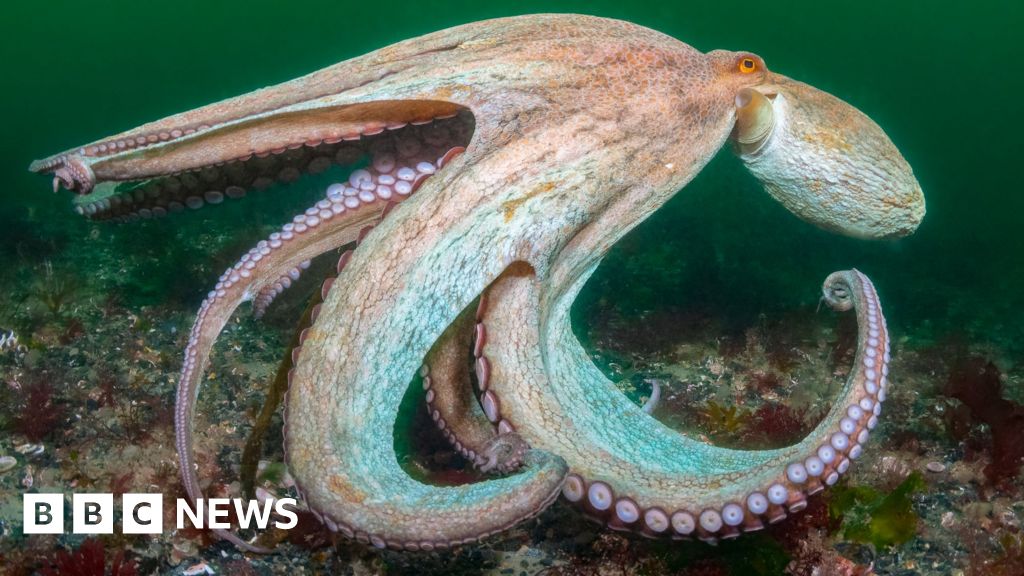
The primary driver behind this extraordinary population spike, scientifically termed a "bloom," is attributed to a series of warmer winters, a phenomenon increasingly linked to anthropogenic climate change. These elevated sea temperatures create more favourable conditions for species typically found in warmer climes, allowing them to thrive and expand their geographical range into previously cooler waters. The south-west coast of England, particularly off Cornwall and Devon, has become a hotspot for this cephalopod explosion.
Official figures lend substantial weight to the charity’s observations. Over the summer of 2025, commercial fishermen operating in UK waters reported landing more than 1,200 tonnes of octopus. This figure represents a dramatic and almost unimaginable increase compared to previous years; since 2021, the annual catch had only once exceeded 200 tonnes, highlighting the sheer scale of the 2025 bloom. This sudden abundance has profound implications not only for the marine environment but also for the local fishing industry and potentially consumer habits.
The species predominantly responsible for this boom is Octopus vulgaris, also known as the common octopus. This highly intelligent and adaptable cephalopod is a familiar sight across the warmer waters of the Mediterranean Sea and parts of the Atlantic but has historically been less common in the cooler seas surrounding the UK. However, with sustained warmer temperatures, these creatures are finding the conditions increasingly hospitable, allowing them to breed more successfully and extend their foraging grounds. Wildlife Trusts volunteers stationed across Cornwall and Devon reported an astounding increase in sightings, soaring by over 1,500 percent along specific stretches of the south coast when compared to figures from 2023. This exponential rise underscores the dramatic ecological shift currently underway.
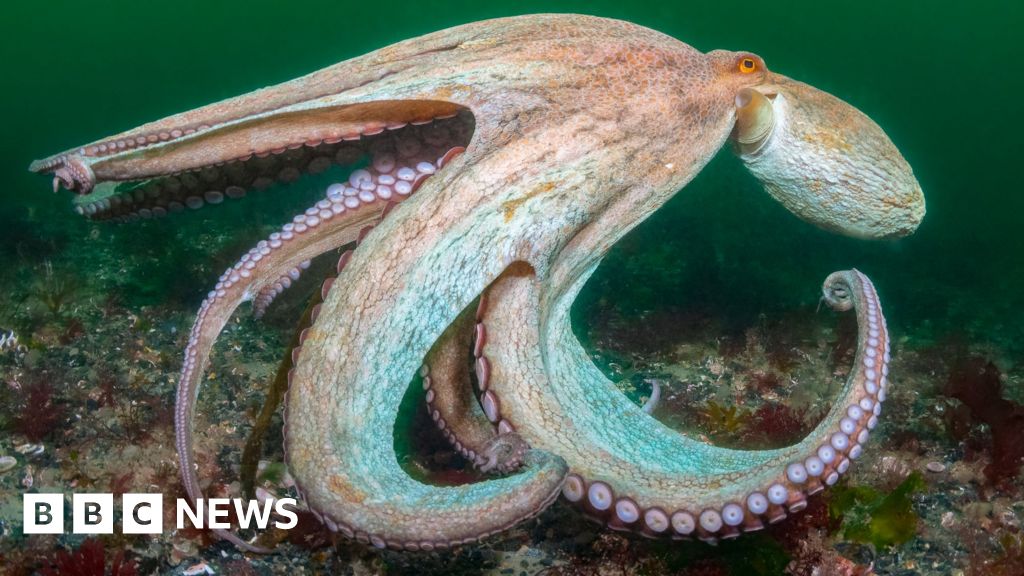
Matt Slater, a marine conservation officer from the Cornwall Wildlife Trust, recounted the extraordinary experiences of divers and volunteers encountering these creatures. "It really has been exceptional," Slater remarked, describing a myriad of fascinating octopus behaviours rarely witnessed in such numbers. "We’ve seen octopuses jet-propelling themselves along, demonstrating their agility and speed. We’ve observed them camouflaging themselves with incredible precision, blending seamlessly into their surroundings until they look just like seaweeds or rocks. We’ve even seen them cleaning themselves, meticulously grooming their tentacles. And most remarkably, we’ve witnessed them walking, using just two legs to nonchalantly cruise away from a diver underwater, showcasing their advanced motor skills and intelligence." These observations not only highlight the increased presence of octopuses but also offer valuable insights into their natural behaviours when thriving in suitable environments. The sheer volume of sightings has provided an unprecedented opportunity for researchers and enthusiasts alike to study these elusive creatures up close, revealing their complex repertoire of movements and survival strategies.
The critical question now facing marine scientists and conservationists is whether this surge in octopus numbers represents a permanent shift in the UK’s marine biodiversity or merely a cyclical phenomenon. Understanding this distinction is crucial for predicting long-term ecological impacts and informing future management strategies. If the increase proves to be permanent, it suggests a fundamental alteration of the UK’s marine ecosystem, with Octopus vulgaris establishing itself as a more dominant predator. Conversely, if it is cyclical, the population might eventually return to more typical levels, perhaps in response to colder winters, changes in food availability, or increased predation pressure from other species. Scientists are actively monitoring various environmental factors and population dynamics to determine the underlying drivers and potential longevity of this "bloom."
The ecological ripple effects of such a dramatic population increase are already a subject of concern. Octopuses are voracious predators, and their diet primarily consists of shellfish, including commercially important species such as lobster, crabs, and scallops. The Wildlife Trusts have issued a cautionary note, highlighting that if octopus numbers remain high, there could be significant consequences for both the marine food web and the livelihoods of those in the fishing industry.
Ruth Williams, head of marine for The Wildlife Trusts, elaborated on these concerns during an interview with the BBC’s Today programme. "They are having an impact on those [shellfish] species around our shores. And as a consequence, they will be having an impact on our fishing industry who target those species as well," she explained. However, Williams also pointed to potential "opportunities" for adaptation within the industry. "Our fishing industry are doing some research into that at the moment to try and evolve with the changing fisheries that we’re seeing as a result of climate change." This research likely includes exploring the viability of targeting octopus as a new commercial species, adapting existing fishing gear to minimise bycatch or predation, and potentially adjusting quotas for traditional shellfish to account for increased natural predation. The ability of the fishing community to innovate and adapt will be key to navigating these ecological shifts.
Indeed, government data from the same period offers initial indications of these impacts. While catches of lobster, crawfish, and scallops have remained stable, crab landings have shown a noticeable downturn compared to previous years. While it’s difficult to definitively attribute this decline solely to the increased octopus population, the correlation is a significant area of investigation for marine biologists and fisheries managers. The complex interplay of factors, including other environmental changes, fishing pressure, and disease, must also be considered in a holistic assessment.
Amidst the fascinating but complex narrative of the octopus bloom, The Wildlife Trusts’ annual marine review also contained some other notable findings, offering a broader perspective on the state of UK marine life in a changing climate. While the octopus story highlights a species potentially benefiting from warmer waters, the review also presented some more universally positive news for other wildlife. For instance, a record-breaking 46,000 puffins were recorded on Skomer Island in Pembrokeshire, Wales, this year. These charismatic black and white birds, often seen as indicators of marine health, are thriving in this protected environment. Furthermore, the puffin has made a remarkable comeback on the Isle of Muck, off the Antrim coast, following successful conservation efforts by the Ulster Wildlife Trust to remove invasive brown rats, which prey on puffin eggs and chicks. These successes underscore the importance of targeted conservation interventions and demonstrate that positive outcomes for vulnerable species are achievable even in a changing climate.
The "Year of the Blooming Octopus" serves as a compelling indicator of the dynamic and sometimes unpredictable ways in which marine ecosystems are responding to a warming world. While the presence of these intelligent cephalopods offers a unique spectacle for divers and naturalists, it also presents a stark reminder of the broader challenges posed by climate change. The shifts in species distribution, predator-prey dynamics, and the implications for human industries necessitate continued scientific research, vigilant monitoring, and adaptive management strategies to safeguard the health and productivity of the UK’s invaluable marine environment for future generations. The journey of understanding and adapting to these changes has only just begun.



 George Anjay

 Ramos Leo
 Nakalama John