Nana Banana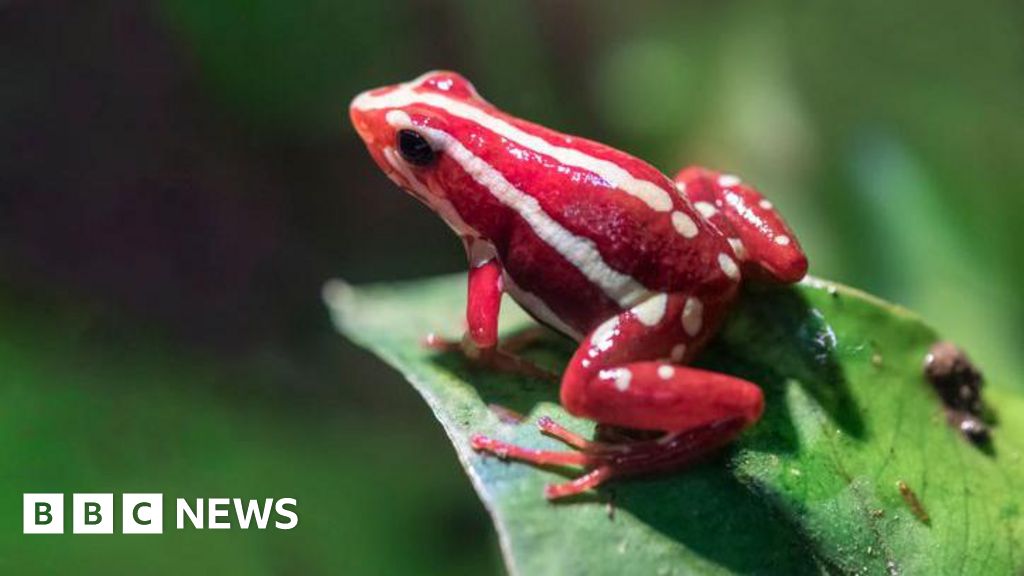
Russian opposition leader Alexei Navalny was killed using epibatidine, a potent neurotoxin found in the skin of certain poison dart frogs native to South America, according to strong allegations made by the United Kingdom and several of its European allies. Traces of this highly toxic compound were reportedly discovered in samples taken from Navalny’s body, and these findings are believed to have been the cause of his death two years ago while incarcerated in a Siberian penal colony. The allied nations, including the UK, have explicitly stated that only the Russian state possessed the "means, motive and opportunity" to deploy such a lethal and rare toxin. In response, the Kremlin has vehemently denied these accusations, dismissing the findings as "an information campaign," as reported by Tass news agency.
Epibatidine is a natural alkaloid neurotoxin, originally isolated from the skin of the Ecuadorian poison dart frog, Epipedobates tricolor. Toxicology expert Jill Johnson explained to BBC Russian that this compound is remarkably potent, estimated to be "200 times more potent" than morphine in its ability to affect pain receptors, although its extreme toxicity prevents its clinical use. While found naturally in wild dart frogs in their native South American habitats, epibatidine can also be synthesized in a laboratory. Crucially, dart frogs raised in captivity do not produce this toxin, and it is not found naturally in Russia, a point highlighted by the European allies in their collective statement. Species such as Anthony’s poison arrow frog (Epipedobates anthonyi) and the Phantasmal poison frog (Epipedobates tricolor) are among those known to secrete this toxin onto their skin as a defense mechanism. Despite early interest in epibatidine as a potential non-opioid painkiller and for alleviating painful inflammatory lung conditions, its prohibitive toxicity and narrow therapeutic window have prevented its development into a pharmaceutical drug.
The mechanism by which dart frog poison, specifically epibatidine, exerts its deadly effects involves its interaction with the nervous system. As a powerful chemical compound, epibatidine acts as an agonist on nicotinic acetylcholine receptors (nAChRs). These receptors are crucial components of both the central and peripheral nervous systems, playing vital roles in muscle contraction, autonomic functions, and neurotransmission. When epibatidine binds to and overstimulates these nerve receptors, it disrupts their normal function, leading to a cascade of severe physiological responses. As explained by Jill Johnson, if administered in a sufficient dose, this overstimulation can manifest as muscle twitching, involuntary spasms, progressive paralysis, and seizures. It also severely impacts autonomic functions, leading to a dangerously slow heart rate (bradycardia) and, critically, respiratory failure. Professor Alastair Hay, an environmental toxicology expert at the University of Leeds, further elucidated that the toxin’s effects ultimately block breathing, causing "any person poisoned dies from suffocation." The discovery of the toxin in someone’s bloodstream, as Professor Hay noted, "suggests deliberate administration," hinting at a targeted poisoning rather than accidental exposure. Furthermore, Hay pointed out that epibatidine’s toxicity can be "increased by co-administration of certain other drugs," suggesting that sophisticated knowledge of toxicology might have been employed.
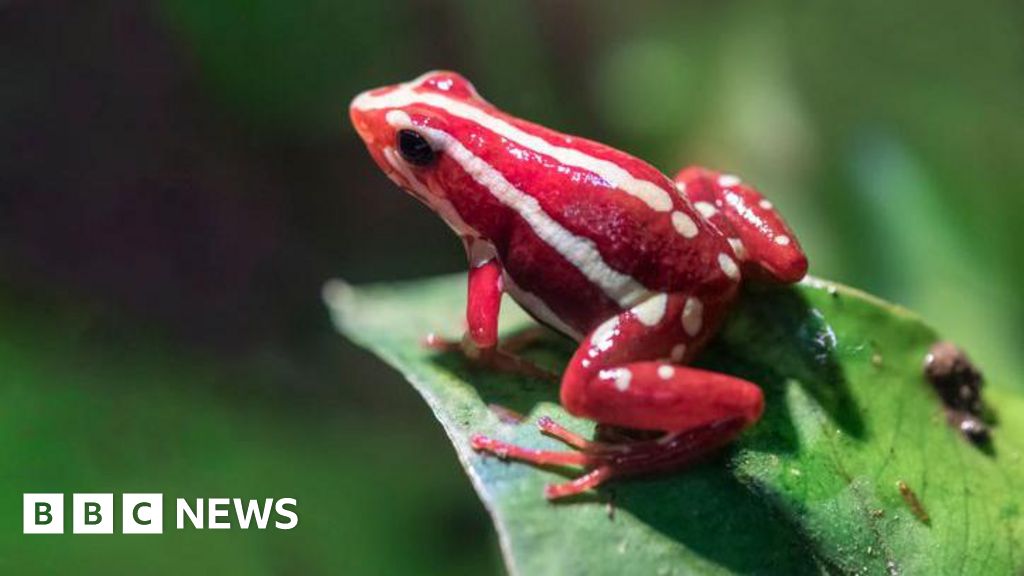
Epibatidine is considered an extremely rare substance, its natural occurrence limited to a specific geographic region and present only in minute quantities. The dart frog species primarily referred to by the UK Foreign Office and its allies is Anthony’s poison arrow frog, which is endemic to the rainforests of Ecuador and Peru. These frogs do not produce the chemical themselves but rather acquire the precursors by consuming specific arthropods and insects in their diet. These dietary alkaloids are then processed and accumulated in the frog’s skin, forming epibatidine. This process means that if a frog’s diet changes, its reserves of the toxin will diminish or disappear entirely. Jill Johnson underscored the extraordinary difficulty in obtaining this substance naturally, stating, "Finding a wild frog in the right place, eating exactly the food needed to produce the right alkaloids, is almost impossible… almost." She emphasized the unprecedented nature of this alleged poisoning, remarking, "This is an incredibly rare method of human poisoning. The only other cases of epibatidine poisoning I know of were laboratory-based and non-fatal." This rarity strongly suggests either highly specialized biological knowledge and access or advanced chemical synthesis capabilities were involved in its procurement.
The allegations surrounding Alexei Navalny’s death have ignited a fierce diplomatic row. European laboratories reportedly confirmed that Navalny died from this obscure poison, providing the basis for the allies’ claims. Moscow, however, has consistently maintained that Navalny died of natural causes. Navalny’s widow, Yulia Navalnaya, has steadfastly asserted that her husband was "murdered" by poisoning, rejecting the official Russian narrative. The Russian embassy in London vehemently denied any Moscow involvement in Navalny’s death, branding the announcement as "feeble-mindedness of Western fabulists" and "necro-propaganda." Kremlin spokesperson Maria Zakharova echoed this sentiment, stating, "All the talks and statements are an information campaign aimed at distracting attention from the West’s pressing problems."
However, Hamish de Bretton-Gordon, a former UK and Nato senior officer and a chemical weapons expert, advised caution regarding the Kremlin’s statements. Speaking on BBC Radio 4’s Today programme, he asserted that people should take anything the Kremlin says, particularly concerning Navalny’s death, "with a pinch of salt." He further claimed that Nato countries "have demonstrated that they have the evidence that Navalny was murdered by the state." At the time of his death, Alexei Navalny, aged 47, had been imprisoned for three years, having recently been transferred to a harsh Arctic penal colony. According to official Russian accounts, he took a short walk, reported feeling unwell, then collapsed and never regained consciousness, dying shortly thereafter. The international community continues to demand transparency and accountability for the circumstances surrounding his death, with the alleged use of such an exotic and potent neurotoxin adding a layer of scientific and geopolitical intrigue to the tragic event.



 Ramos Leo
 Nakalama John
 George Anjay