 Nakalama John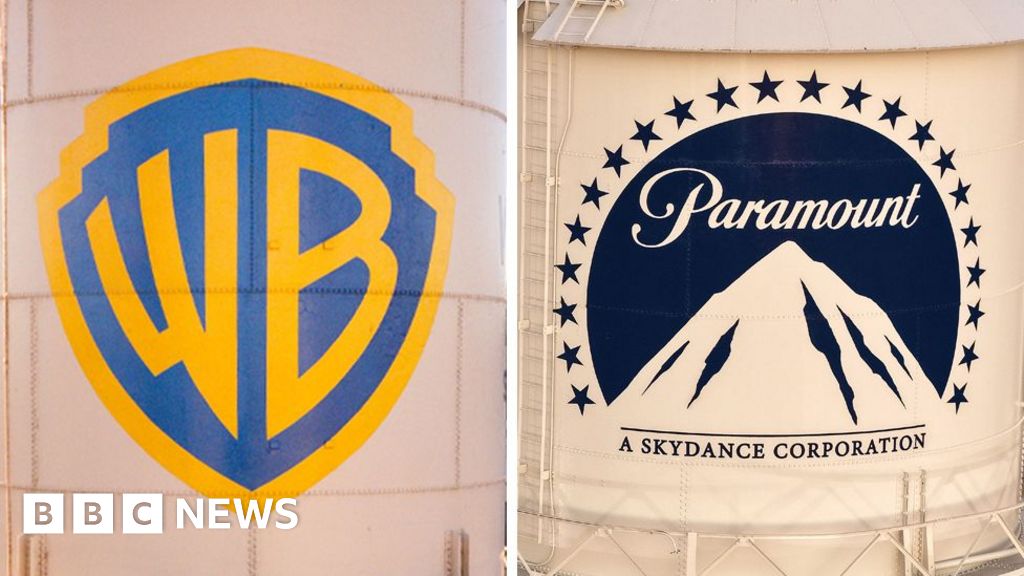
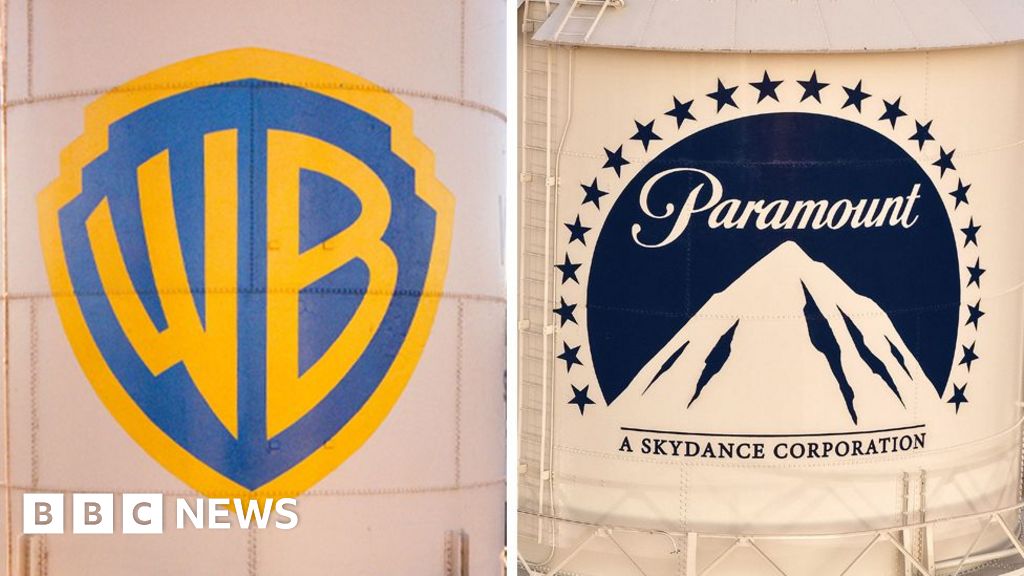
The proposed takeover of Warner Bros, specifically its parent company Warner Bros. Discovery, by Paramount Global and Skydance Media, could significantly reshape the landscape of Hollywood and the wider media industry. This ambitious consolidation, which would see Paramount Global (owner of Paramount Pictures, Paramount+, and CBS) merge with David Ellison’s Skydance Media, potentially absorbing significant assets from Warner Bros. Discovery, is far from a done deal. Paramount Global still needs to navigate a complex web of financial arrangements, shareholder approvals, and rigorous regulatory scrutiny. However, should this monumental transaction proceed, its ramifications would be felt across various sectors, profoundly impacting viewers, filmmakers, and the very nature of news dissemination.
Streaming Costs Could Change
One of the most immediate and tangible effects for consumers would be the anticipated restructuring of streaming services. Paramount Global is expected to merge its Paramount+ service with Warner Bros’ HBO Max, aiming to create a formidable, combined streaming platform. The strategic rationale behind this move is clear: in an increasingly saturated and competitive streaming market dominated by giants like Netflix, Amazon Prime Video, and Disney+, a merged entity hopes to establish itself as a "must-have" subscription, offering unparalleled content breadth and depth.
Viewers would potentially gain access to an expansive library with a single subscription, blending the critically acclaimed and popular titles from both studios. Imagine a service where current hits like Paramount+’s "Yellowstone," "Star Trek" franchises, and "Mission: Impossible" films reside alongside HBO Max’s prestige dramas such as "The Pitt" (a fictional placeholder for a current hit like House of the Dragon or Succession), classics like "Casablanca," "Friends," and "The Sopranos," as well as Warner Bros.’ extensive film catalog, including the DC Universe and Harry Potter franchises. This vast collection could offer a compelling value proposition, reducing the need for multiple subscriptions to access a wide range of premium content.
What this consolidation would mean for subscription prices, however, is a more nuanced and less certain prospect. Initially, analysts suggest that consumers currently subscribing to both Paramount+ and HBO Max could benefit from a more economical bundled deal. This would serve as an incentive for existing subscribers to remain with the new service and attract new users seeking comprehensive entertainment options at a potentially reduced aggregate cost.
However, the long-term outlook for pricing is less optimistic for consumers. A more compelling and expansive content offering could eventually empower the merged entity to raise prices. Furthermore, the reduction in competition among major streaming players could lead to a broader upward trend in subscription costs across the industry. "There’d be just less competition," says Tom Harrington, a TV analyst from Enders. "The ability there would be to charge a bit more." With fewer distinct services vying for subscribers’ attention, the pressure to keep prices low might diminish.
Conversely, Ben Barringer, head of technology research at Quilter Cheviot, believes any significant price hikes would face natural limitations. He points to Netflix as the "price-setter in the market," suggesting that other streamers, even a consolidated one, would need to remain competitive with the established leader. Should the new service become too expensive, subscribers might simply opt for Netflix or other alternatives, curbing the merged company’s pricing power.
It’s crucial to note that these changes are not on the immediate horizon. The regulatory approval process is lengthy and complex. Under US President Donald Trump, it is expected to be "full speed ahead" for federal regulatory approval, according to Scott Wagner, head of the antitrust practice at the law firm Bilzin Sumberg, reflecting a generally more lenient approach to mergers during his previous administration. However, this does not guarantee a smooth path. Concerns over potential harm to consumer prices and adverse effects on workers could prompt state attorneys general to challenge the deal. California’s attorney general, for instance, has already vowed a "vigorous" investigation, indicating significant legal hurdles. Given the intricate regulatory timeline and existing distribution agreements, any major changes to the streaming services currently offered to viewers are likely years away. This period would be used to integrate technologies, content libraries, and marketing strategies, ensuring a seamless, albeit distant, transition for subscribers.
A Reprieve for Cinemas but Less Content
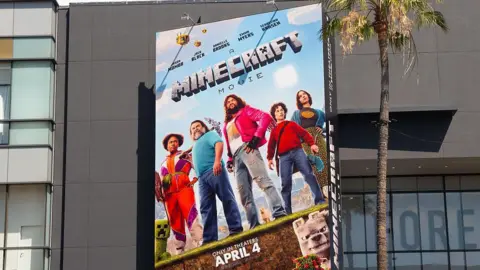
For movie theatre operators and other stakeholders in Hollywood, the prospect of a Paramount/Skydance takeover of Warner Bros. Discovery presents a mixed bag, offering a potential reprieve from certain fears while introducing new concerns. The industry had harbored anxieties about a hypothetical Netflix takeover of a major studio. Such a scenario could have seen one of Hollywood’s last major studios—responsible for a slate of films like "Ryan Coogler’s Sinners," "The Minecraft Movie," and "One Battle After Another" (fictional titles representing tentpole productions)—abandoning the traditional theatrical release model in favor of a direct-to-streaming strategy. This would have been a devastating blow to cinemas, which rely heavily on major studio releases to drive attendance.
Unlike Netflix, both Paramount Pictures and Warner Bros. still fundamentally depend on ticket sales to bolster the financial returns of their tentpole movies. This reliance on the theatrical window means that a merged entity would likely continue to prioritize cinema releases, ensuring that blockbusters and anticipated films still grace the big screen before moving to streaming. As Hargreaves Lansdown’s Matt Britzman notes, this "should mean fewer films being rushed straight to streaming." This approach, while not reversing the long-term decline in cinema attendance, could "reduce the disruption that filmmakers feared under a Netflix-led model," preserving a crucial revenue stream and artistic platform for the industry. Enders’ Tom Harrington agrees, calling a Paramount takeover a "better outcome" for cinema.
However, this consolidation comes with a significant caveat: it will likely lead to a reduction in overall film production. When major studios merge, the combined entity often rationalizes its content slate, eliminating redundant projects, shelving less commercially viable ideas, and focusing resources on established franchises and surefire hits. This phenomenon was starkly observed after Disney acquired 20th Century Fox, leading to a noticeable decrease in the number of films released under the Fox banner, particularly mid-budget dramas and genre films. A similar trend is anticipated here, potentially leading to fewer diverse stories reaching audiences and fewer opportunities for emerging filmmakers.
Indeed, Paramount Global has already been in cost-cutting mode, particularly after its merger with David Ellison’s Skydance Media last year. The rationale for such a large-scale acquisition often involves achieving economies of scale and streamlining operations, which invariably translates to workforce reductions and a more conservative approach to content investment. Many analysts are expecting further cuts, especially considering that Paramount has taken on substantial debt to finance this deal. "That will need to be paid off at some point," explains Quilter Cheviot’s Ben Barringer. "Having more debt means you’ve got more burden, and that means you’ve got less to spend on content." This financial pressure means the merged studio would likely prioritize profitability and efficiency over volume, focusing its reduced content budget on fewer, high-impact productions with proven appeal, further limiting the diversity of films released.
A Trump-Friendly CNN?
Perhaps the most politically charged aspect of this potential deal concerns its impact on news media, specifically CNN. If the transaction moves forward as envisioned, it would place another of America’s flagship news networks—CNN—under the control of the Ellison family, specifically David Ellison and his father, Oracle founder Larry Ellison. The Ellison family is known for its friendly relationship with the White House, particularly under a Republican administration, and has a history of significant conservative political donations.
This prospect has already sparked considerable alarm among Democrats and media advocates in the US, who fear that it could lead to a more cautious, less critical, and potentially even favorable coverage of the Trump administration, should he return to office. Critics point to changes already implemented by David Ellison at the news network CBS, which became part of Paramount Global through earlier mergers. His tenure has seen the appointment of an executive tasked with policing perceived bias, significant workforce reductions, and the naming of a new editor-in-chief known more for opinion writing than traditional hard news. These changes have reportedly led to clashes with journalists over issues of editorial independence and the network’s direction.
The Ellison family’s political leanings are well-documented, and they are reportedly already discussing potential changes to CNN with former President Donald Trump. Trump has a long and contentious history with CNN, frequently attacking the network as "fake news" and demanding its sale. In December, he publicly called for the channel to be sold, stating its leaders were either "corrupt or incompetent." The idea that a major news outlet, historically positioned as a counterpoint to more conservative-leaning networks, could shift its editorial stance under new ownership raises profound questions about media impartiality and the health of democratic discourse.
"I don’t think CNN would become Fox News overnight," says Seth Stern, chief advocate at the Freedom of the Press Foundation, acknowledging that the market for right-wing news is already well-served by several popular outlets. "But coverage could be softened, critiques of the Trump administration could be reduced, hosts that are known for being particularly critical… could be fired." This "softening" of coverage, even without a complete ideological overhaul, could significantly alter the media landscape.
Rodney Benson, a media professor at New York University, characterized the potential deal as "concerning," arguing that it would further concentrate America’s largest media companies in the hands of conservative owners. Many of these owners, including the Ellison family, possess extensive business interests unrelated to news that depend heavily on government contracts or favorable regulation. This creates a precarious situation where editorial independence could be compromised by the owners’ desire to maintain good relations with political powers, making them particularly vulnerable to pressure.
"This is not just an ideological shift, it’s a threat to democracy and the rule of law," Benson asserts, highlighting the broader implications of media consolidation and political influence. He emphasizes that one of the most critical decisions will be whom Ellison names as CNN’s editor-in-chief, as this selection will fundamentally set the tone and direction for the network. "He is going to make this choice knowing that Donald Trump is watching," Benson concludes, underscoring the intense political scrutiny and pressure that would surround such an appointment.
But YouTube Remains the Biggest Disruptor
Despite the monumental scale of the proposed merger and its far-reaching implications, an underlying question remains: how successful can the consolidation of two legacy media outlets, both facing significant financial pressures and evolving market dynamics, truly be? This question points to a larger, often overlooked, threat to traditional streaming services and content producers: YouTube and the broader ecosystem of short-form, user-generated video.
Harrington of Enders argues that the "overriding" threat to streaming services isn’t internal competition from rivals like Netflix or Disney+, but rather the fundamental shift in audience behavior driven by platforms like YouTube and TikTok. These platforms have fundamentally altered how people consume media, particularly among younger demographics. The prevalence of short-form video has eroded attention spans and accustomed viewers to a constant stream of free, diverse, and often highly personalized content.
This shift presents a multifaceted challenge. Firstly, it diverts significant audience attention away from long-form, premium, subscription-based content. Viewers, especially younger ones, are increasingly spending their time on platforms where they can rapidly consume a wide variety of clips, tutorials, vlogs, and entertainment, often created by independent creators. Secondly, this trend impacts advertising revenue, as brands increasingly allocate budgets to platforms where engagement is high and targeted advertising is effective. Legacy media companies, with their traditional content models, often struggle to compete with the sheer volume, immediacy, and authenticity of user-generated content.
Staying competitive in this evolving media landscape is "not just about being competitive with one another, it’s being competitive with short-form video and that’s sort of the direction you’ll see them going towards," Harrington explains. While major streaming services are experimenting with short-form content, interactive features, and social media integration, they face an uphill battle against platforms built from the ground up for this type of consumption. The challenge for a merged Paramount-Warner Bros. entity, even with its vast library, will be to not only compete with other premium streamers but also to carve out relevance in a world increasingly dominated by fragmented, on-demand, and often free digital content.
Ultimately, the proposed Warner Bros deal, if approved, will undoubtedly reshape the entertainment and news industries. It promises a potentially consolidated streaming powerhouse, a nuanced future for cinemas, and profound political implications for a major news network. Yet, beneath these immediate changes, the broader and more relentless tide of digital disruption, exemplified by platforms like YouTube, continues to challenge the very foundations of traditional media, ensuring that even this monumental merger is just one piece of a much larger, ongoing transformation.
Reporting contributed by Danielle Kaye


 atisusanti
 George Anjay