Ramos Leo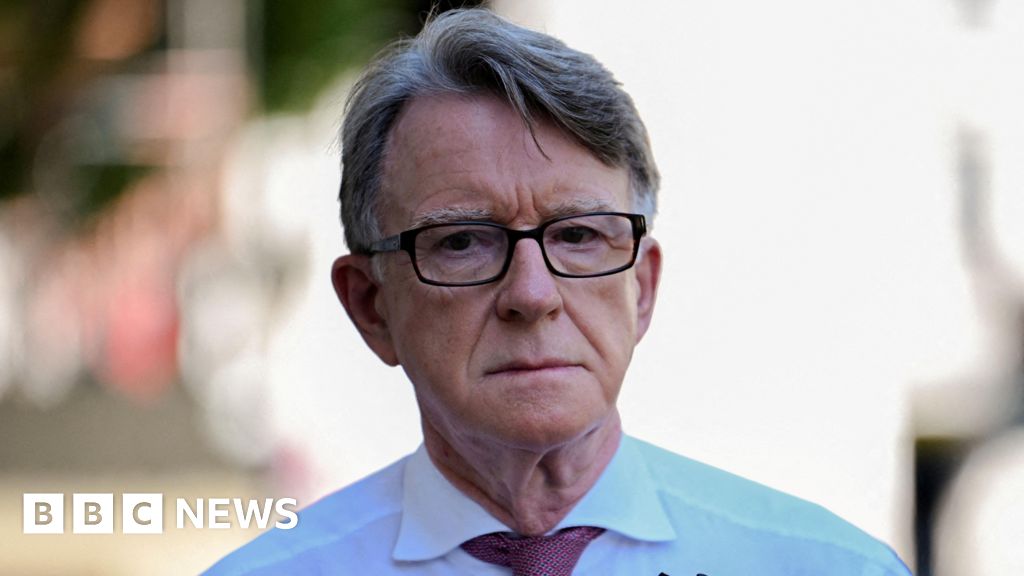
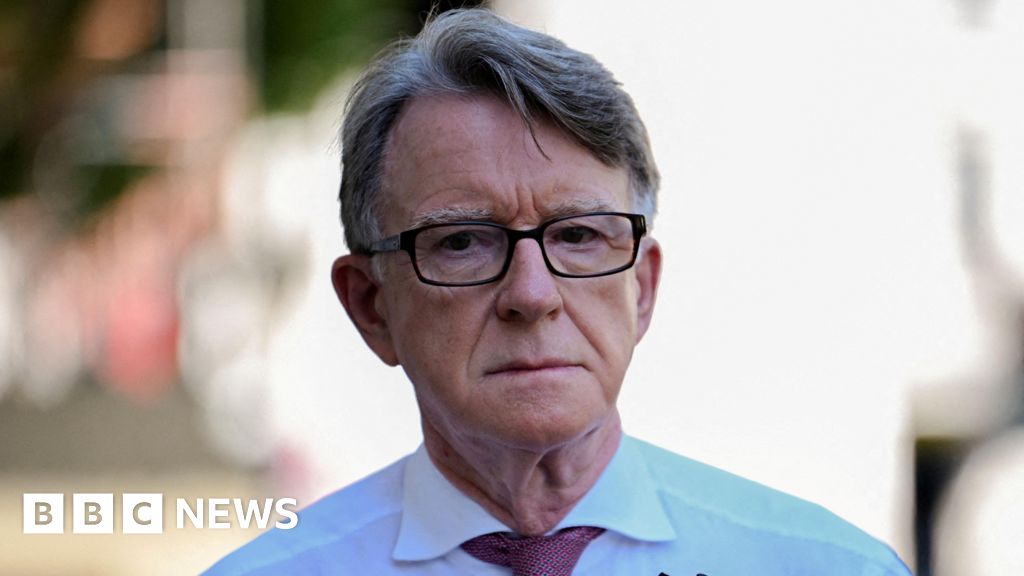
Lord Mandelson’s recent removal from his diplomatic post in Washington D.C. unfolded less than a year after his appointment. Prime Minister Sir Keir Starmer had named the veteran Labour politician as the UK’s ambassador to the US in December 2024. The appointment was made with the strategic hope that Mandelson’s vast network of contacts across both the business and political spheres, coupled with his renowned charm and persuasive abilities, would enable him to forge a robust and effective relationship with the incoming Trump administration. At the time of his appointment, Lord Mandelson’s friendship with Jeffrey Epstein was publicly known, as was the fact that he had maintained contact with the financier even after Epstein’s initial conviction for sex offences. However, the situation escalated dramatically last September, leading to his dismissal from the ambassadorial role. Downing Street cited the emergence of "new information" regarding the true depth and nature of this relationship as the reason for his sacking. Crucially, this new information included emails that reportedly showed Mandelson sending supportive messages to Epstein in 2008, a period when Epstein was actively facing charges for sex offences. The revelation of these communications ultimately rendered his position untenable, marking a swift end to his brief diplomatic tenure.
Before these recent controversies, Lord Mandelson had carved out a formidable career within the Labour Party, beginning his involvement in the 1980s. He quickly became a central and indispensable figure, particularly renowned for his role as a "spin doctor" and strategist. Mandelson was one of the principal architects of the "New Labour" movement, a transformative period that saw the party modernize its image and policies, moving towards the political centre ground. His strategic acumen was instrumental in shaping the party’s message and campaign strategy, culminating in Sir Tony Blair’s historic landslide election victory in 1997, which ended 18 years of Conservative rule.
During his time as an MP for Hartlepool, Mandelson held several prominent ministerial roles within Tony Blair’s government. He served as Minister without Portfolio, where he was central to the government’s communications strategy, before being appointed Secretary of State for Trade and Industry. However, his ministerial career was marked by significant turbulence, leading to two forced resignations. His first departure occurred in December 1998, amidst revelations that he had received a secret, undeclared loan of £373,000 from his ministerial colleague, Geoffrey Robinson. The loan, used to purchase a house in Notting Hill, sparked a major political scandal due to the perceived conflict of interest and the lack of transparency, forcing Mandelson to resign from the cabinet.
Remarkably, Mandelson made a swift return to government less than a year later. In October 1999, he was reappointed to the cabinet as Northern Ireland Secretary, a highly sensitive and challenging role. Yet, his second stint in office was also short-lived. In January 2001, he was again forced to resign, this time over allegations related to a passport application for the wealthy Hinduja brothers, who were then under investigation for alleged bribery. Although an independent inquiry later cleared him of any wrongdoing in connection with the passport application, the political pressure at the time was immense, leading to his second resignation from the cabinet.
Following his second departure from the domestic political scene, Mandelson transitioned to a significant international role, serving as the European Commissioner for Trade from 2004 to 2008. This period saw him represent the European Union on the global stage, engaging in complex trade negotiations and shaping EU trade policy. His time in Brussels provided him with extensive experience in international diplomacy and economic affairs.
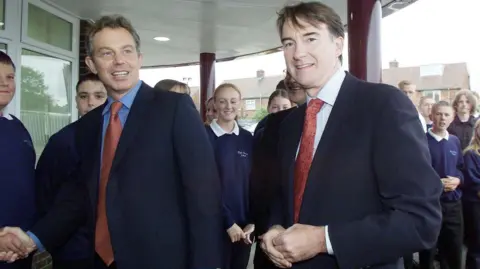
In another astonishing twist in his career, Mandelson made a dramatic return to British politics in October 2008. Then-Prime Minister Gordon Brown, facing the immense challenge of the global financial crisis, brought him back into government, appointing him as Business Secretary. To facilitate this, Mandelson was elevated to the House of Lords, becoming Lord Mandelson. This comeback was widely seen as a bold and unexpected move, highlighting his enduring influence and strategic value, even after his previous controversies. During this period, he played a crucial role in the government’s response to the economic downturn, overseeing industrial policy and financial rescue packages.
The current legal troubles stem directly from the latest release of the "Epstein Files." These documents, which emerged from legal proceedings related to the convicted sex offender Jeffrey Epstein, have continued to shed light on his extensive network of high-profile contacts. The most recent tranche of these files unearthed new and deeply concerning information about Epstein’s interactions with Lord Mandelson. Specifically, the documents included emails that appear to suggest Mandelson forwarded market-sensitive information to Epstein in 2009, during his tenure as Business Secretary under Gordon Brown.
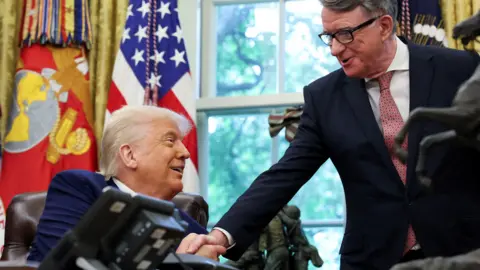
The revelations from the Epstein Files have had immediate and severe repercussions for Lord Mandelson. In response to the escalating scandal, he announced his resignation from the Labour Party, ending a membership that had spanned over four decades. Concurrently, he also stepped down from the House of Lords, effectively removing himself from both political parties and parliamentary life. The Metropolitan Police have since launched a formal criminal investigation into these allegations, specifically probing potential misconduct in public office. While Lord Mandelson has not publicly commented directly on the newly revealed emails, it is understood by the BBC that his position is that he has not acted in any way criminally and that his actions were not motivated by financial gain. Throughout previous discussions of his association with Epstein, he has consistently expressed profound regret for maintaining his relationship with the financier after Epstein’s initial conviction, and has offered apologies to Epstein’s victims. The unfolding investigation marks a grave chapter in the life of a politician known for his resilience and his capacity to navigate political storms, placing his legacy under intense scrutiny once again.


 Nana Banana
 atisusanti
 Nakalama John
 George Anjay