George Anjay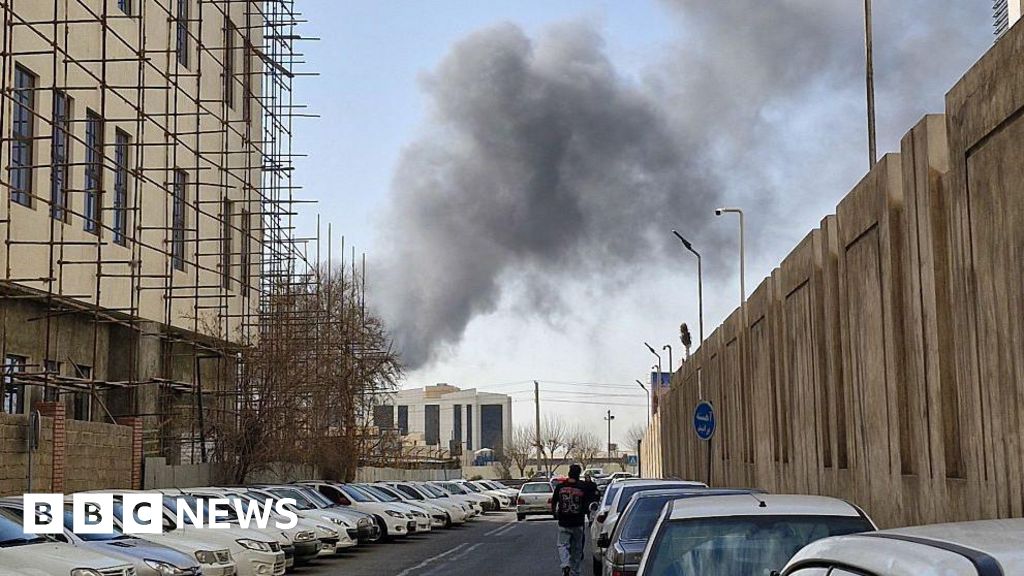
The geopolitical landscape was irrevocably altered on February 28, 2026, as the United States and Israel launched a coordinated, large-scale military operation targeting Iran. The audacious strikes, confirmed by leaders on both sides, marked a dramatic escalation in the protracted standoff over Iran’s controversial nuclear program and its regional destabilization activities. The operation, described by US President Donald Trump as "major combat operations," aimed to dismantle Iran’s nuclear infrastructure and neutralize its perceived threat to global security.
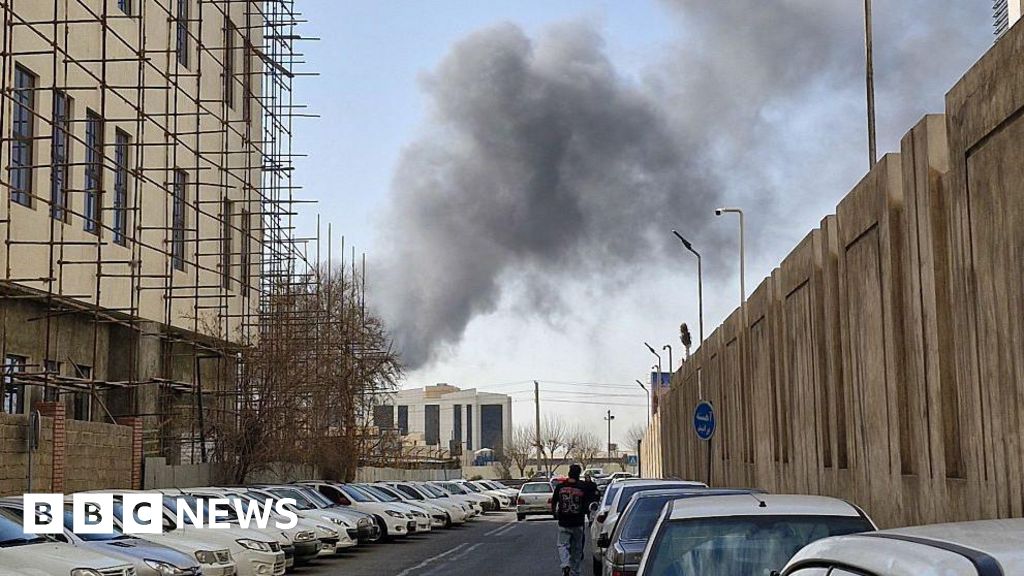
The initial phase of the attack commenced shortly after 09:30 Tehran time (06:00 GMT) with a series of powerful explosions reported across the Iranian capital. Images circulating internationally depicted plumes of smoke rising over key Tehran landmarks, including Jomhouri Square and Hassan Abad Square, fueling widespread concern and speculation. The strikes were not confined to the capital; reports of explosions and subsequent damage emerged from multiple other significant cities across Iran, including Isfahan, Qom, Karaj, and Kermanshah. The full extent of casualties, both civilian and military, remains unclear, with official figures yet to be released by Iranian authorities. In response to the unfolding events, Iran’s airspace was immediately declared closed, as reported by the Tasnim News Agency, severing vital air links and potentially hindering any international response or humanitarian aid efforts.
Simultaneously, across the border in Israel, air raid sirens wailed at 08:15 local time (06:15 GMT), a chilling reminder of the heightened threat of retaliatory missile attacks from Iran. The Israeli Home Front Command issued stringent directives, advising citizens to avoid large gatherings and to limit non-essential travel to work and school. These cautionary measures were scheduled to remain in effect until Monday evening at 20:00, underscoring the pervasive sense of alert and the anticipation of further escalation. Mirroring Iran’s move, Israel also closed its airspace to civilian flights, according to reports from Israeli media outlets, further isolating the region and intensifying the atmosphere of crisis.
President Donald Trump, in a direct and forceful address, confirmed the United States’ active participation in the offensive. Speaking via a video posted on the Truth Social platform, he declared, "A short time ago, the United States military began major combat operations in Iran." He unequivocally stated the primary objective: "Our objective is to defend the American people by eliminating imminent threats from the Iranian regime." Crucially, he reiterated Washington’s long-standing commitment to preventing Iran from acquiring nuclear weapons, asserting that the operation aimed to "ensure that Iran does not obtain a nuclear weapon." In a stark and provocative message directed at the Iranian populace, President Trump urged them to seek shelter and remain indoors, adding, "When we are finished, take over your government. It will be yours to take. This will be probably your only chance for generations." This rhetoric suggested a broader strategic goal beyond immediate military objectives, hinting at the potential for regime change.
Israeli Prime Minister Benjamin Netanyahu echoed President Trump’s sentiments, issuing a powerful call to the Iranian people. He implored them to "throw off the yoke of tyranny and bring about a free and peaceful Iran." Expressing gratitude to President Trump for his partnership, Netanyahu reaffirmed the shared conviction that Iran "must not be armed with nuclear weapons that would allow it to threaten all of humanity." He framed the joint operation as a catalyst for change, stating, "Our joint action will create the conditions for the courageous Iranian people to take their destiny into their own hands." Like President Trump, he also advised Israeli citizens to adhere strictly to the guidance provided by their authorities. Earlier in the day, Israel’s Defense Minister had declared a "special and permanent state of emergency" across the nation, signaling the profound gravity of the situation and the comprehensive mobilization of Israeli resources and security apparatus.
The genesis of this dramatic military action lies in weeks of escalating tensions and failed diplomatic efforts surrounding Iran’s nuclear program. For years, international powers, led by the US and its European allies, had voiced grave concerns over Iran’s enrichment of uranium and its potential to develop nuclear weapons. Despite numerous rounds of negotiations and sanctions, Iran had consistently denied pursuing a nuclear weapons program, asserting that its activities were for peaceful energy purposes. However, intelligence reports and international inspections had frequently cast doubt on these assurances, leading to a continuous cycle of accusations, counter-accusations, and punitive measures. The regional influence of Iran, through its support for proxy groups like Hezbollah and its involvement in conflicts across the Middle East, further fueled the apprehension of its adversaries. The strikes on February 28, 2026, can therefore be viewed as a culmination of these long-standing geopolitical anxieties, representing a decisive shift from diplomatic maneuvering to direct military confrontation.
The strategic implications of this joint US-Israel attack are immense and far-reaching. The immediate focus on Iran’s nuclear facilities suggests an attempt to set back its nuclear ambitions by years, if not decades. However, the broader objective of encouraging internal dissent and potentially facilitating regime change, as hinted at by President Trump’s remarks, introduces a significant element of unpredictability. The response from Iran, both domestically and internationally, will be critical in shaping the future trajectory of the conflict. The potential for retaliatory attacks, either directly from Iranian forces or through its network of regional proxies, poses a significant threat to Israel, US interests in the Middle East, and the wider global community.
Furthermore, the involvement of two key US allies, Israel and potentially other tacit supporters of the operation, raises questions about the formation of a new regional security alignment. The international community’s reaction will also be a crucial factor. While some nations may tacitly support the move to curb Iran’s nuclear ambitions, others, particularly those with closer ties to Iran or a commitment to international law, are likely to condemn the preemptive strike and call for de-escalation. The humanitarian consequences for the Iranian population, caught in the crossfire of a major military conflict, are also a significant concern, with the potential for mass displacement and suffering.
The coming days and weeks will be critical in understanding the full impact of this joint US-Israel attack on Iran. The immediate aftermath will likely be characterized by a period of intense uncertainty, with both sides assessing the damage, determining their next moves, and gauging the reactions of regional and global powers. The long-term consequences will depend on a complex interplay of military developments, political responses, and the evolving dynamics of the Middle East. One thing is certain: February 28, 2026, will be remembered as a pivotal day that significantly reshaped the geopolitical landscape and heightened tensions in one of the world’s most volatile regions. The world watches with bated breath as the consequences of this audacious military intervention unfold.


 atisusanti
 Nakalama John