
 Nana Banana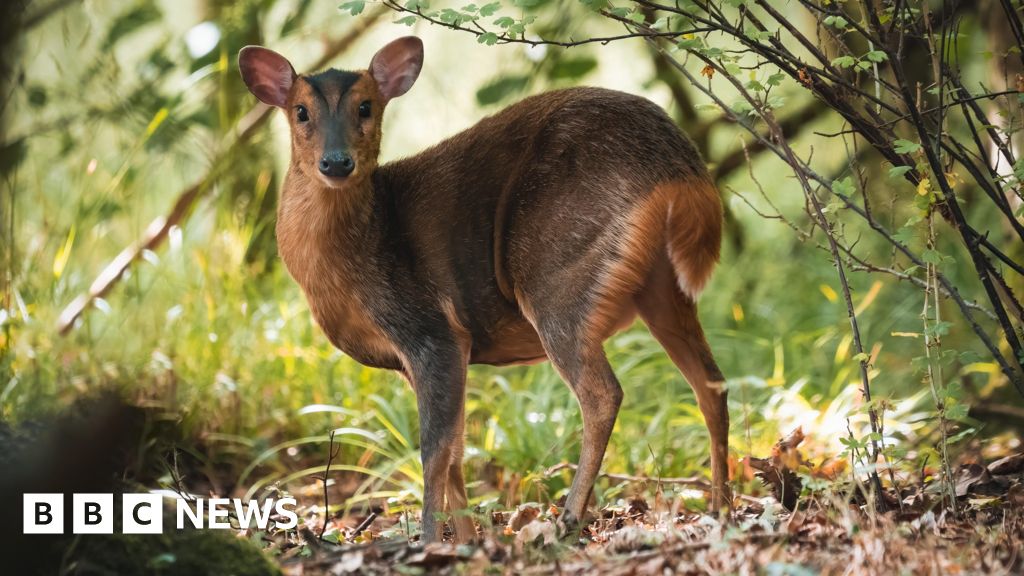
England is set to implement a comprehensive and ambitious 10-year strategy to address an escalating deer population, which has reached unprecedented levels and now poses significant threats to the nation’s natural environment, agricultural output, and public safety. The long-awaited government plan aims to streamline and expand deer culling efforts, making it easier for landowners and managers to control numbers across the country. This proactive approach comes in response to alarming data indicating severe ecological damage, substantial crop losses for farmers, and a growing number of road traffic accidents involving deer.
The scale of the problem is stark: current estimates suggest there are over two million deer in Britain, marking the highest population in 1,000 years. This represents a dramatic increase from approximately 450,000 in the 1970s. This explosion in deer numbers is directly linked to the degradation of a significant portion of England’s woodlands, with a staggering one-third now classified as being in an "unfavourable condition" due to excessive browsing and trampling by deer. This figure is up from 24% in the early 2000s, highlighting a worsening trend that threatens biodiversity, forest regeneration, and crucial carbon sequestration efforts. Beyond environmental concerns, farmers are grappling with costly crop losses, while public safety is increasingly compromised by deer-related vehicle collisions.
The newly unveiled government strategy outlines several key measures designed to tackle this multifaceted issue. Central to the plan is the identification of national priority culling areas, allowing for targeted interventions where the impact of deer is most severe. Furthermore, the strategy will simplify the process for obtaining licenses to carry out night-time and closed-season shooting, granting greater flexibility to land managers who currently face restrictive regulations. This change is particularly significant as deer are often most active during these periods, and the ability to manage them outside traditional daylight hours or hunting seasons could dramatically improve efficiency. In a move to empower those directly affected, farmers may also be granted new legal rights, potentially allowing them to shoot deer on their land to protect their crops without the complexities of the current licensing system. The Nature Minister, Mary Creagh, affirmed the government’s commitment, stating they are dedicated to assisting landowners and farmers in mitigating the problems caused by deer, ensuring that "woodlands can flourish and crops can be better protected."
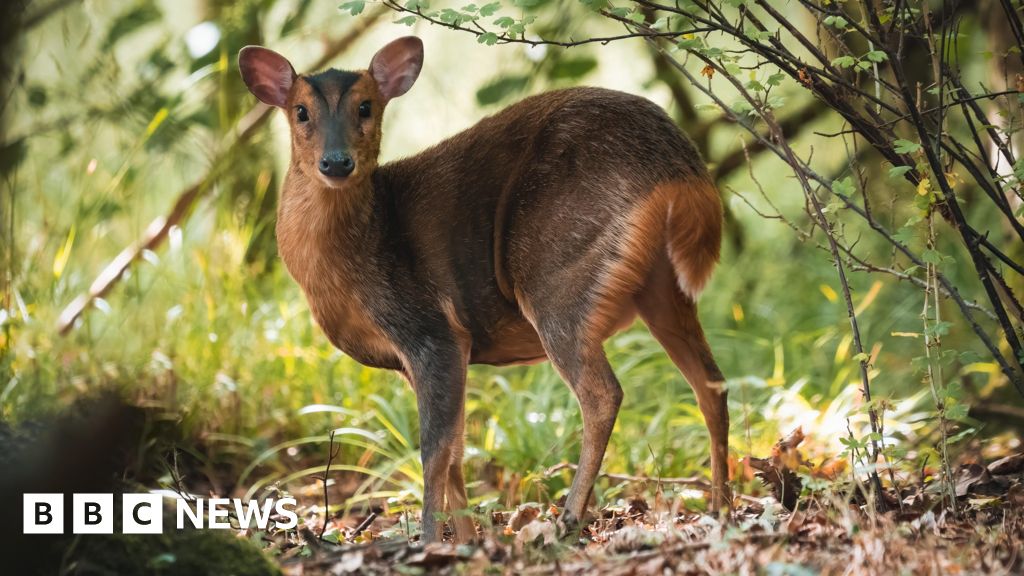
The economic burden on the agricultural sector is substantial. Andrew Blenkiron, who manages the extensive Elveden estate in Suffolk, voiced strong support for the government’s initiative, describing the situation as a "horrendous battle." He revealed that deer numbers on his estate had "rocketed" during the Covid lockdowns and have remained stubbornly high, causing up to £100,000 in annual losses and damages to crops. Blenkiron detailed the specific challenges, noting that smaller species like muntjac "almost breed like rabbits," making their control particularly difficult. Larger species, such as red deer, also contribute significantly to agricultural damage, even digging up potatoes. The preference of deer for certain crops like carrots further exacerbates the problem, demanding constant vigilance and costly protective measures from farmers.
Beyond agriculture and environment, public safety is a critical concern. According to the RSPCA, more than 74,000 deer are involved in collisions with vehicles each year across Britain. These incidents tragically result in an estimated 10 to 20 human fatalities and injure over 700 people annually. The economic cost of these accidents, including vehicle damage, medical expenses, and lost productivity, runs into millions of pounds, underscoring the broad societal impact of an unchecked deer population.
However, the strategy is not without its critics. Animal welfare campaigners, notably People for the Ethical Treatment of Animals (PETA), have raised significant concerns regarding the efficacy and humanity of culling. A PETA spokeswoman argued that lethal control methods are often "inhumane and not effective in the long term." She elaborated that removing deer from the landscape does not necessarily prevent their numbers from rebounding. In many instances, a temporary reduction in population can inadvertently lead to more available food per animal, which, in turn, can increase breeding rates among the surviving deer, quickly negating the culling efforts. PETA advocates for alternative, "humane and sustainable" options, including strategic habitat modification to deter deer, the installation of appropriate fencing to protect vulnerable areas, and limiting access to artificial food sources that can unnaturally support larger populations. This perspective highlights the ongoing ethical debate surrounding wildlife management and the search for solutions that balance ecological needs with animal welfare.
Britain is home to six distinct deer species: red, sika, fallow, roe, muntjac, and Chinese water deer. Of these, only red and roe deer are considered truly indigenous. The others were introduced over centuries and have thrived in the British landscape, often outcompeting native species and contributing disproportionately to the overpopulation crisis. The muntjac, for example, a small species originally from China, is known for its rapid breeding cycle, producing young year-round, which makes it particularly challenging to control. The varied habits and sizes of these species mean that a comprehensive management strategy must be adaptable and multifaceted.
The British Association for Shooting and Conservation (BASC), represented by Martin Edwards, head of deer and woodland management, has welcomed the government’s plan. Edwards sees "real opportunities to build on the work of both volunteer and professional deer managers in tackling the UK’s expanding deer population." This sentiment underscores the belief among many in the conservation and land management community that active, skilled management is essential to restore ecological balance and protect vital habitats.
Beyond direct control, the government’s strategy also includes a significant push to develop and support a robust domestic market for venison derived from culled deer. This initiative aims to ensure that the meat from these animals is not wasted but instead utilized as a sustainable and healthy food source. The government hopes to encourage greater uptake of venison by institutions such as schools, prisons, and hospitals, thereby creating a stronger economic incentive for effective deer management.
The Country Food Trust, a charity dedicated to combating food poverty, stands as a prime example of how venison from culls can be put to good use. The charity utilizes venison sourced from estates and farms across the UK to provide nutritious meals to over 1,500 foodbanks, homeless shelters, and community kitchens. SJ Hunt, the Trust’s chief executive, emphasized the importance of ensuring that local communities benefit directly from deer culls in their regions. Hunt lauded the government’s support for a wider domestic venison market, highlighting venison’s health benefits as a lower-cholesterol meat and a significant source of protein. However, she also called for increased funding to further support schemes like the Country Food Trust, enabling them to process and distribute more venison carcasses to those in need, thereby transforming a wildlife management challenge into a social benefit.
In essence, the new 10-year deer management strategy for England represents a crucial shift towards a more integrated and proactive approach. By addressing the ecological, agricultural, and safety impacts of an unchecked deer population, and by seeking to leverage culled venison as a sustainable food source, the government aims to restore balance to England’s ecosystems while also providing practical benefits to landowners and communities. The success of this ambitious plan will hinge on effective implementation, continued collaboration between government, land managers, and conservation groups, and careful consideration of both environmental and ethical dimensions.


 Ramos Leo
 Nakalama John

 atisusanti

 George Anjay