George Anjay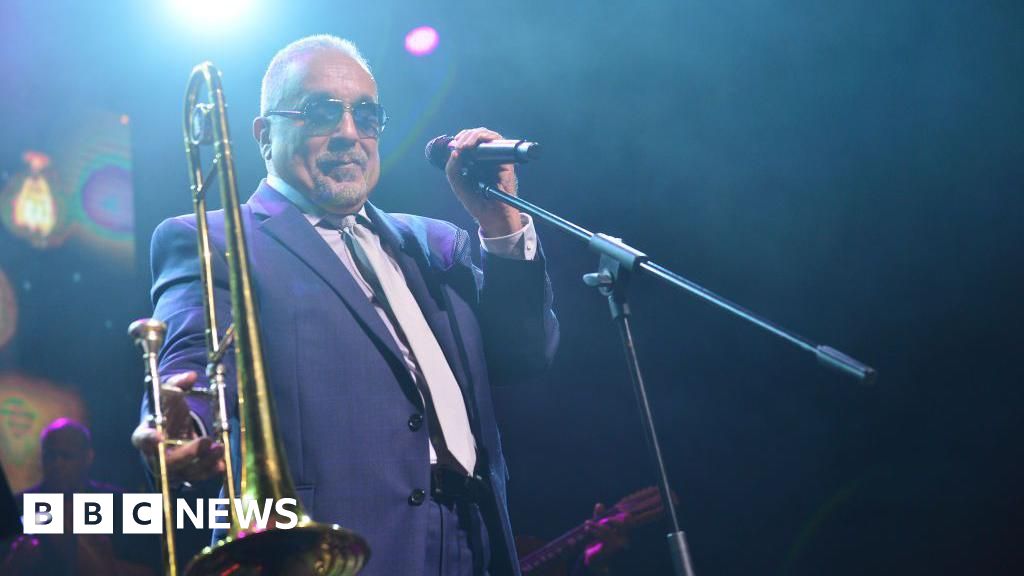
Salsa music luminary Willie Colón, the influential trombonist, bandleader, and producer whose innovative sound helped define the genre and give voice to the Puerto Rican experience in America, has died at the age of 75. His family confirmed his peaceful passing on Saturday morning, surrounded by loved ones, though a specific cause of death was not immediately released. Colón’s musical legacy, spanning nearly six decades, is etched in timeless hits like “El Malo,” “Oh, Qué Sé Yo,” “Talento de Televisión,” and “Gitana,” cementing his status as one of the most significant Latino artists of all time, as recognized by Billboard magazine.
The Puerto Rican artist, celebrated for his mastery of the trombone and his bilingual lyrical narratives, became a potent symbol of cultural identity and a bridge between two worlds. His music transcended borders, blending the vibrant rhythms of the Caribbean with the urban pulse of New York City, a fusion that resonated deeply with a generation grappling with identity and belonging. His family shared a poignant message of remembrance: "While we grieve his absence, we also rejoice in the timeless gift of his music and the cherished memories he created that will love on forever."
Willie Colón’s impact extended far beyond his chart-topping hits and Grammy nominations. He was a storyteller who used his music to explore the complexities of being Puerto Rican in the United States, addressing themes of migration, social justice, and cultural pride. According to a biography on the LA Philharmonic website, Colón’s work consistently delved into "the competing associations that Puerto Ricans have with their home and with the United States." He used his songs "to depict and investigate the problems of living in the U.S. as a Puerto Rican and also to imply the cultural contributions that Puerto Ricans have to offer." This introspective and socially conscious approach elevated salsa from mere dance music to a powerful vehicle for cultural commentary and empowerment.
Born William Anthony Colón Román on April 28, 1950, in the vibrant South Bronx, New York, Colón was immersed in a rich tapestry of Latin migration, street culture, and the nascent sounds of salsa. His grandmother, Antonia, played a crucial role in shaping his cultural awareness, instilling in him the Spanish language and the most recognizable elements of Puerto Rican heritage. His musical journey began not with the trombone, but with the trumpet, which he began playing at age 12. However, it was the trombone that would become his signature instrument, its resonant brass tones echoing the sounds of his heritage as he honed his craft on the bustling street corners of his neighborhood.
Colón’s professional career took flight in 1967, at the tender age of 16, when he recorded his debut album, "El Malo," with the legendary Héctor Lavoe. This collaboration marked the genesis of an inimitable salsa duo under the Fania record label, a partnership that would produce a string of indelible classics such as “Calle Luna, calle Sol,” “Abuelita,” “Ah, ah, oh, no,” “Ghana’e,” “El día de mi suerte,” “La murga,” and “Juana Peña.” These songs not only showcased their prodigious talent but also contributed significantly to the popularization of salsa on a global scale.
In 1972, Colón released the seminal album “El Malo,” which is widely regarded as one of the first to embody the "New York Sound." This innovative musical approach reignited interest in Latin music during the 1970s, injecting a fresh, urban sensibility into traditional rhythms. His website describes this period as a pivotal moment where he "sparked a renewed interest in Latin music during the 1970s."
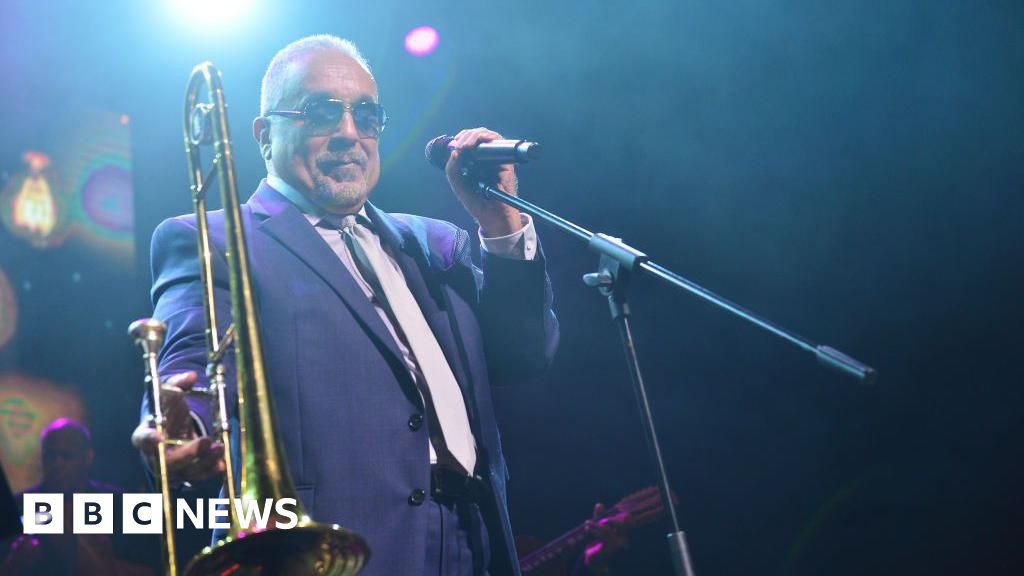
Beyond his own artistic endeavors, Colón established himself as a prodigious producer and arranger, collaborating with an array of iconic artists including Rubén Blades, Celia Cruz, and Ismael Miranda. As a solo artist, he remained a relentless innovator, constantly seeking new musical fusions and exploring diverse themes in albums like “El Gran Varón,” “Oh, Qué Sé Yo,” and “Amor Verdadero.” His prolific career yielded over 40 productions, sold more than 30 million copies worldwide, and earned him 15 gold records, five platinum records, and an impressive 10 Grammy nominations.
A pivotal moment in Colón’s career came in the 1970s when he introduced Panamanian singer-songwriter Rubén Blades to lead his orchestra. This collaboration birthed the album “Metiendo Mano!” in 1975, which is considered Colón’s first foray into what is often described as "intellectual salsa." This groundbreaking work paved the way for future masterpieces like “Maestra Vida” and “Canciones del Solar de los Aburridos.” Their subsequent album, “Siembra,” released in 1978, further cemented their artistic prowess. This album masterfully blended disco rhythms with the driving force of congas and timbales on the track “Plástico,” delving deeper into sociopolitical commentary. “Siembra” became a monumental success, selling over 3 million records worldwide and standing as one of the most consequential albums in the history of the salsa genre.
The enduring power of Colón’s music was recently underscored by Puerto Rican superstar Bad Bunny, who name-checked the salsa legend in his hit song “Nuevayol” and featured him in the song’s music video. Bad Bunny’s lyrics, "Willie Colón, me dicen el malo, ey. Porque pasan los años y sigo dando palo," translating to "Willie Colón, they say I’m bad, because the years come and I’m still hitting," served as a profound homage to Colón’s lasting influence and his reputation as a formidable artist.
The Latin Recording Academy, the organization behind the Latin Grammy Awards, paid a heartfelt tribute to Colón on social media, recognizing him as an artist whose legacy "transformed salsa by making it a global phenomenon, establishing a sound and aesthetic that defined an era and continued to inspire generations of artists." In 2004, Colón received the Latin Grammys’ Musical Excellence Award, a prestigious lifetime achievement honor that celebrated his profound contributions to music.
Beyond his musical achievements, Willie Colón was a dedicated social activist. He lent his voice and support to important causes, including the Latino Commission on AIDS and the United Nations Immigrant Foundation. He also served as a board member for the Congressional Hispanic Caucus Institute, demonstrating his commitment to community empowerment and advocacy. In a testament to his multifaceted life, Colón graduated from a police academy in New York in 2014 and was sworn in as a deputy sheriff for the Department of Public Safety, further illustrating his commitment to service and public good.
Willie Colón is survived by his wife, Julia Craig, whom he married in 1991, and their children. His passing marks the end of an era, but his music and his unwavering commitment to his culture will continue to inspire and resonate for generations to come. His manager, Pietro Carlos, poignantly captured his essence: "Today, We’ve lost an architect of the New York sound, a trombonist who made metals his banner and wrote eternal chapters in music history. From ‘El Malo’ to anthems that defined generations, his work wasn’t just music, it was identity, neighborhood, consciousness, and resistance." Colón’s trombone did more than play notes; it spoke to the soul of a community and amplified the rhythm of a culture, bridging the Caribbean and New York with every powerful blast.


 Ramos Leo
 Roy Suryo
 atisusanti
 Nakalama John