
 atisusanti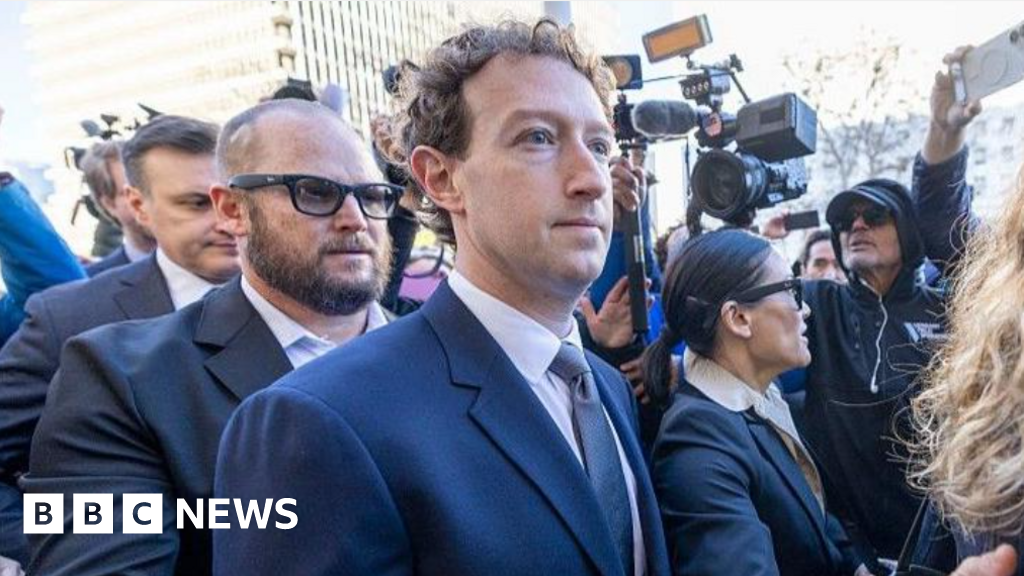
Mark Zuckerberg, the chief executive of Instagram-owner Meta Platforms, faced intense scrutiny in a Los Angeles courtroom on Wednesday, struggling to defend his company against accusations that it deliberately targets young users with addictive features. Confronted with a barrage of internal documents and emails, Zuckerberg maintained that legal teams were "mischaracterising" the communications, which form the crux of a landmark trial examining whether social media platforms like Instagram foster addiction in children. This marked Zuckerberg’s inaugural appearance before a jury, a pivotal moment following years of mounting criticism directed at Meta, the parent company also responsible for WhatsApp and Facebook. The trial, which also includes Google’s YouTube as a defendant, is being closely monitored for its potential to shape thousands of similar lawsuits. Notably, TikTok and Snapchat, initially named in the lawsuit, opted to settle shortly before the trial commenced, with the terms of their agreements remaining undisclosed.
Meta has consistently asserted that it has implemented measures to safeguard young users and enforces a strict policy barring individuals under the age of 13 from its platforms. However, during the proceedings, Mark Lanier, the lead attorney representing the plaintiff identified by her initials K.G.M., presented a series of internal emails, messages, and research findings. These documents appeared to illustrate discussions among Zuckerberg and other senior Meta executives regarding the usage of Instagram and Facebook by teenagers and even younger individuals. One particular email, dated 2019 and addressed to Zuckerberg and three other top Meta executives, highlighted concerns about the company’s "unenforced" age limitations. The email, penned by Nick Clegg, who served as Meta’s head of global affairs for several years following his tenure as the UK’s deputy prime minister, suggested that these lax enforcement measures made it "difficult to claim we’re doing all we can."
Lanier further pressed Zuckerberg on a 2019 research report commissioned by Instagram from an external firm. The report, according to Lanier’s questioning, found that teens using the platform felt "hooked despite how it makes them feel," and that teen users exhibited "an addicts’ narrative about their Instagram use." The report’s findings indicated that Instagram use "can make them feel good, it can make them feel bad, they wish they could spend less time caring about it." Zuckerberg, in his defense, pointed out that this particular research was not conducted internally by Meta.
During questioning by Meta’s lawyer, Paul Schmidt, the same report was revisited. Schmidt argued that the research also highlighted "positive" aspects of Instagram use. He positioned the report as evidence of Meta’s ongoing commitment to researching platform usage and continuously improving its services. Another internal presentation from 2018 was also introduced, revealing discussions within the company about the successful retention of "tweens" on the platform, a claim that appeared to contradict Meta’s stated policy against underage users. Zuckerberg acknowledged that he "always" regretted the slow progress in identifying users under 13, but expressed confidence that the company had eventually reached the "right place over time." He also emphasized that teen users constituted "less than 1%" of Meta’s advertising revenue and accused Lanier of taking the document concerning underage users out of context.
Zuckerberg disclosed that Meta had engaged in "various discussions" about developing versions of its products specifically for children under 13, intended for use in a "regulated way." He cited his company’s Messenger Kids service as an example, noting that while it was "not very popular," he personally used it "with my own kids." Zuckerberg and his wife, Priscilla Chan, have three children. "You’re mischaracterising what I’m saying," Zuckerberg stated, adding, "I’m not surprised that people internally were studying this."
Lanier also focused on Meta’s efforts to increase teen engagement on its platforms. He presented emails from Zuckerberg and other internal messages where employees explicitly discussed "teen usage" and strategies to boost it. One email from 2015 quoted Zuckerberg setting goals for the year that included seeing "time spent increase by 12%" and "the teen trend be reversed." A separate email from an executive in 2017 declared that "Mark has decided the top priority for the company is teens." Zuckerberg explained that, at an "earlier point in the company," he had set goals for executives to increase time spent on the platform, but insisted that this was no longer the company’s operational focus. Under Schmidt’s examination, Zuckerberg contended that if Meta had solely concentrated on metrics like time spent, its platforms would not have endured for so many years. He asserted that he had dedicated years to addressing "problematic use" of platforms like Instagram "because it’s the right thing to do."
Schmidt then referenced Instagram tools introduced in 2018, designed to allow users to set daily time limits, receive alerts about time spent, and disable notifications at night. However, Lanier countered by presenting an internal Meta document that revealed the remarkably low uptake of these tools among teens. For instance, only 1.1% of teen users had elected to use the daily use limit.
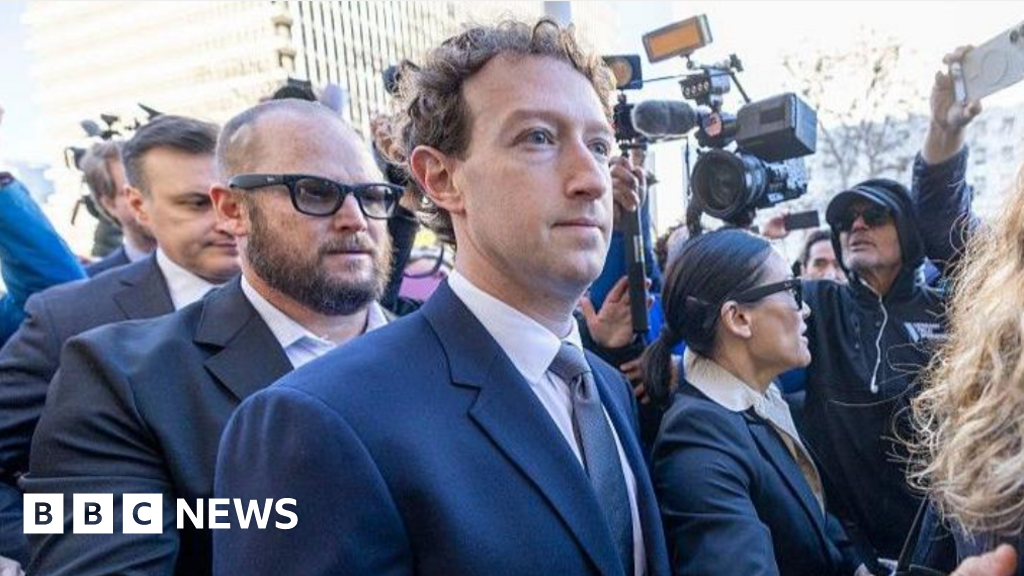
K.G.M., who began using Instagram at the age of nine, was present in the courtroom, seated directly opposite Zuckerberg, who arrived accompanied by a significant entourage of security personnel and associates. Bereaved parents, whose children have allegedly been harmed by social media, were also in attendance, though only a limited number were granted seats. A larger contingent of parents and family members gathered outside the courthouse, demonstrating their solidarity with others who have witnessed the detrimental effects of social media use and addiction on their children. Lori Schott, a mother whose daughter Annalee Schott tragically died by suicide at the age of 18, was among them. Wearing a prominent badge displaying a photo of her daughter, Schott voiced her plea outside the court: "These platforms can change. It wouldn’t take long to change the algorithmic content so kids aren’t killing themselves. Is it that hard to do, Mr. Zuckerberg?"
The trial is anticipated to extend for several weeks and is expected to feature testimony from former Meta employees who have since become whistleblowers regarding the company’s practices. Initially, YouTube CEO Neal Mohan was scheduled to testify, but the BBC has learned that he is no longer being called. During his testimony last week, Adam Mosseri, the head of Instagram, challenged the very notion of social media addiction, suggesting that even 16 hours of Instagram use in a single day did not constitute addiction.
In his own testimony, Zuckerberg posited that if something holds value, "people tend to use it more." Lanier drew a parallel, noting that individuals addicted to substances also tend to increase their usage. Zuckerberg’s response was a hesitant, "I don’t know what to say to that. I think that may be true but I don’t know if that applies here."
This case is representative of thousands of similar lawsuits filed by families, state prosecutors, and school districts currently navigating the US legal system. These lawsuits collectively accuse Meta and other social media platforms, including TikTok, Snapchat, and YouTube, of operating in an addictive manner that has ultimately caused harm to numerous children. In one such instance, 29 state attorneys general are urging a California federal court to mandate immediate changes from these platforms, even before a trial. These demands include compelling Meta to remove all accounts confirmed to belong to users under the age of 13.
Globally, a growing number of countries are implementing measures to restrict social media use among young people. Australia, in late 2023, enacted a ban on social media accounts for individuals under the age of 16. Denmark, France, Spain, and the United Kingdom are reportedly considering similar legislative actions.




 Ramos Leo
 Nakalama John
 George Anjay

 Roy Suryo