George Anjay
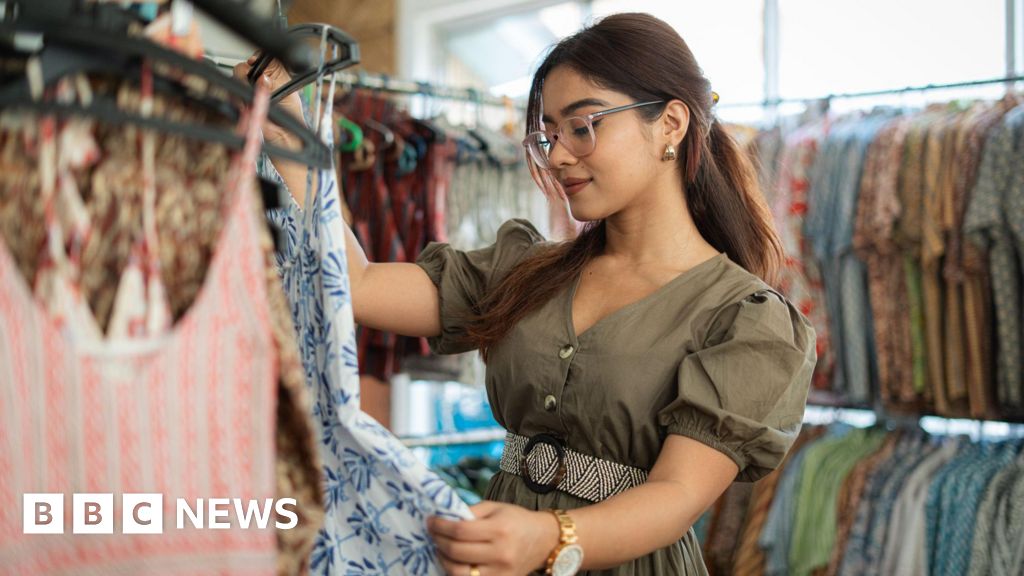
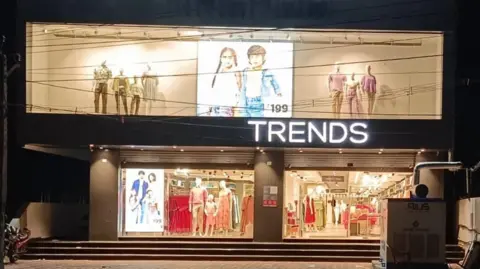
At a gleaming three-storey outlet of Reliance Trends in the town of Sangli in western India, Alka, a geriatric care worker in her late 50s, browses through a vibrant collection of Indian ethnic-wear kurtas. Her quest is for a specific shade of baby pink, adorned with a subtle gold paisley motif, a design she spotted on a colleague that instantly captured her admiration. "I saw someone wearing it at my workplace and I loved it so much, I immediately wanted to buy one for my daughter," Alka told the BBC, highlighting the aspirational yet practical purchasing decisions driving this retail revolution. The Sangli Trends outlet, a beacon of modern retail in a town traditionally reliant on street-side bazaars, offers a stark contrast to Alka’s lifelong shopping habits. Spread across its three floors, the store is a treasure trove of trendy apparel, from eye-catching printed t-shirts and rugged weathered jeans to sophisticated formal office wear for both men and women. Complementing the clothing are the store’s in-house labels, offering a fusion of Indian and contemporary styles perfect for mix-and-match ensembles. The retail experience extends beyond apparel, encompassing make-up kits, stylish sneakers, fashionable handbags, and an array of costume jewellery, creating a one-stop shopping destination. For Alka, the air-conditioned comfort, the availability of trial rooms, attentive attendants, and the allure of scratch cards offering discounts on her next purchase, represent a refreshingly new and elevated shopping experience.
This paradigm shift in Indian retail is largely attributed to the aggressive expansion of budget fast-fashion brands like Reliance Trends and Tata’s Zudio. These brands are not only matching the price points of traditional street-side bazaars but are simultaneously offering a vastly superior shopping environment. As Pankaj Kumar, a retail analyst at Mumbai-based Kotak Securities, explains, "In these outlets, most merchandise costs between $4 (£2.90) and $15. Plus, the designs are contemporary, and there’s a growing desire among people to wear branded clothes." This confluence of affordability, modern aesthetics, and an enhanced shopping experience is resonating deeply with value-conscious yet aspirational consumers, particularly in India’s tier-2 and tier-3 towns. This demographic surge is fueling extraordinary bottom-line growth across the organized fast-fashion sector, with brands like Max, Vishaal Mega Mart, Trends, and Zudio leading the charge.
While quarterly numbers for Reliance Trends are not publicly disclosed, Zudio’s growth trajectory has dramatically outpaced global fast-fashion giants like Zara and H&M, as well as Tata Group’s own mid-to-premium brand, Westside, in recent years. The numbers paint a compelling picture of this dramatic shift. In 2018, Zudio operated a mere seven stores nationwide, generating $12 million in revenue. In stark contrast, Westside, a considerably larger brand at the time, boasted 125 stores and an annual revenue of approximately $220 million. Today, the landscape has transformed. Zudio has witnessed an explosive expansion, growing from its initial seven outlets to an impressive 765 stores. By mid-2025, its revenues are projected to surpass $1 billion, a remarkable feat that would make it the only Indian clothing brand to achieve this milestone. Westside, while doubling its store count and tripling its revenue, has not matched Zudio’s phenomenal growth pace.
"It’s a classic bottom-of-the-pyramid strategy – go big by going mass," observes Kotak Securities, attributing Zudio’s success to its aggressive pricing strategy. The firm emphasizes that "even affordable fashion is a luxury in India’s tier-2 and tier-3 towns," underscoring the critical role of price in this market. This rapid expansion and success occur against a backdrop of a relatively subdued Indian job market, stagnant wage growth, and patchy overall private consumption, which constitutes 60% of the nation’s GDP.
Kushal Bhatnagar of Bengaluru-based Redseer Strategy Consultants characterizes this phenomenon as a "wallet-shift." He explains, "Consumers are not buying much more than they were; but they’ve shifted their purchases from mom-and-pop stores to branded outlets." This strategic migration is a direct consequence of a concerted effort by budget brands to penetrate deeply into India’s geographical and economic landscape. Brands like Zudio and Max have been instrumental in democratizing "trendification" within the affordable fashion segment, captivating Gen-Z and young millennial buyers by meticulously curating the latest global fashion trends from fashion capitals like Paris and Milan. Bhatnagar further highlights that an early strategic partnership between Trent, Zudio’s parent brand, and Zara provided invaluable insights, enabling Zudio to adopt the Spanish fast-fashion giant’s highly effective growth playbook.
Mirroring Zara’s operational efficiency, Zudio boasts an incredibly rapid inventory turnover, with new styles hitting the shelves in as little as 15 days, a stark contrast to the 45-60 days typically taken by its competitors. "In the world of fashion, the speed of inventory is everything," asserts Kumar of Kotak Securities. He elaborates that the faster new styles are introduced, the more frequently customers are incentivized to visit stores, creating a continuous cycle of engagement and purchase.
However, this meteoric rise of organized fast fashion has not been without its casualties. Local mom-and-pop stores, once the backbone of high-street retail in smaller towns, are facing intense competition. They are not only challenged by the aggressive pricing and expansive reach of budget brands but also by the burgeoning e-commerce platforms like Meesho. Meesho, which aggregates sellers on its digital platform and facilitates the nationwide delivery of affordable goods, has been experiencing significant growth, with its bottom line expanding at a robust 35-40% year-on-year.
"When GDP per capita begins to go up for a country, branded goods and online shopping naturally become a more prominent part of retail," notes Bhatnagar. He posits that the current challenge for the Indian retail sector lies in achieving a "consumption uplift," which would translate into an expansion of the overall market size, beyond a mere redistribution of existing consumer spending. India’s apparel market, currently estimated to be between $70 billion and $100 billion, has shown tepid growth in recent years, with per-capita apparel spending significantly lower than in countries like China, the US, or even Indonesia. In a healthy economic environment, this market typically expands at 12-15% annually, whereas India has experienced sub-10% growth in recent years.
While the rapid growth of the fast-fashion sector is undeniable, it is accompanied by growing concerns regarding its ecological footprint. The textile industry is a significant contributor to India’s municipal solid waste, ranking as the third-largest source after plastics, and paper and cardboard, according to a recent report. Alarmingly, only a quarter of this textile waste is recycled. Deloitte estimates that globally, less than 1% of used clothing is recycled into new garments or recycled fibers, highlighting the need for a fundamental shift in production and consumption patterns. For many small-town Indians, however, the allure of style and savings currently outweighs concerns about sustainability, as they eagerly embrace the fast-fashion bandwagon. The journey from traditional bazaars to air-conditioned, trend-driven outlets represents a significant evolution in India’s retail landscape, one that is reshaping consumer behaviour and market dynamics at an unprecedented pace. The future will likely see a push for more sustainable practices, but for now, the appeal of affordable fashion and the thrill of the latest trends are undeniably captivating the heart of small-town India.


 Ramos Leo
 Roy Suryo
 atisusanti
 Nakalama John