Nakalama John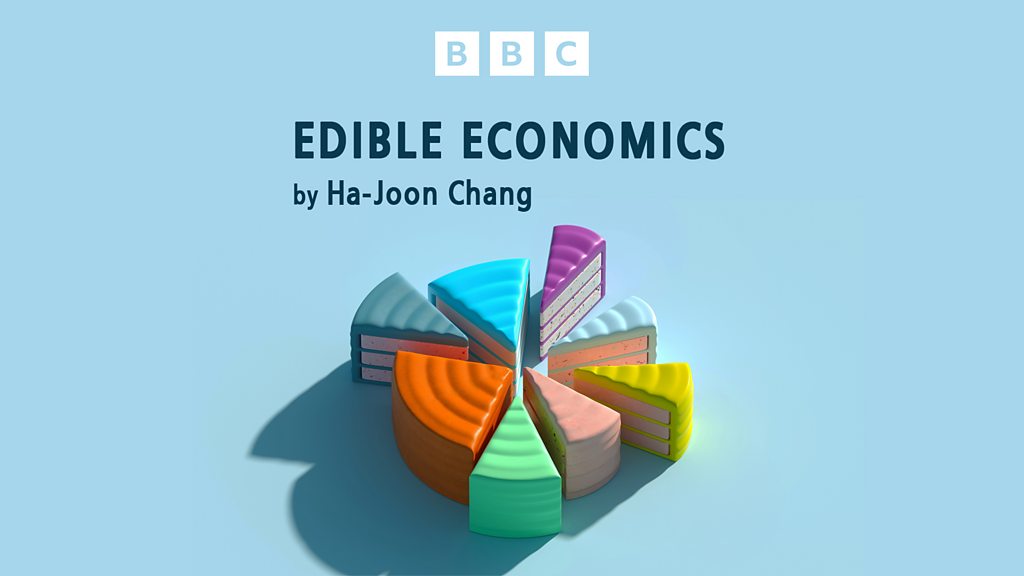
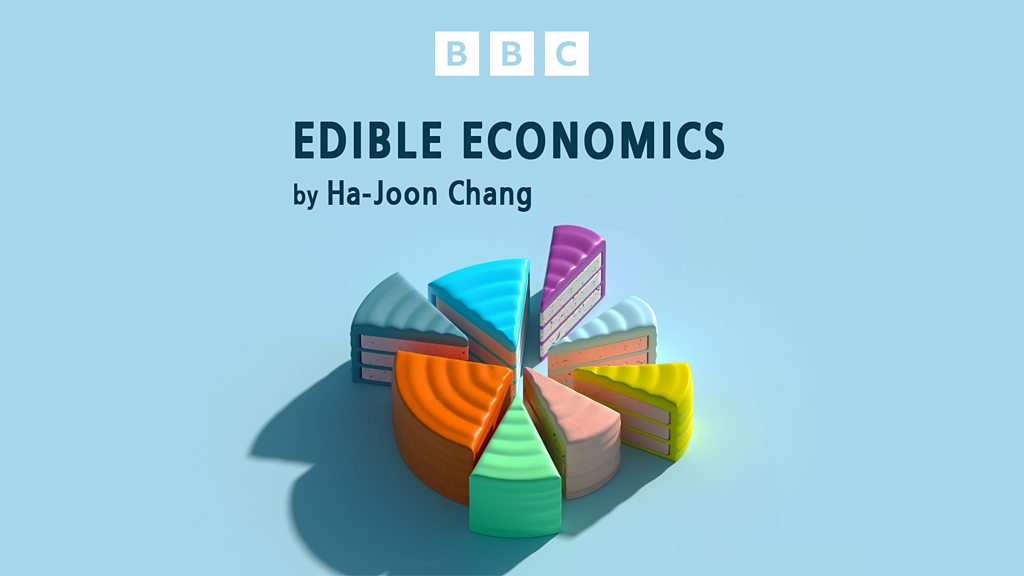
Professor Ha-Joon Chang, a distinguished economist teaching at SOAS University of London, is renowned for his incisive critiques of free-market capitalism and his dedication to making complex economic ideas understandable to a wider audience. His work consistently challenges the dominant narratives that have permeated economic discourse for decades, advocating for a more nuanced and historically informed perspective. Chang’s previous influential books, such as 23 Things They Don’t Tell You About Capitalism, Bad Samaritans: The Myth of Free Trade and the Secret History of Capitalism, and Economics: The User’s Guide, have established him as a leading voice against economic orthodoxy. In Edible Economics, he extends this mission, using the universal language of food to illustrate the profound and often hidden economic forces at play in our world. His tagline, "a hungry economist explains the world," perfectly encapsulates this inventive and relatable methodology.
The brilliance of Edible Economics lies in its innovative premise: using familiar foods as gateways to complex economic theories. Food, in its very essence, is a microcosm of global economics, deeply intertwined with agriculture, trade, labor, geopolitics, and cultural identity. From farm to fork, every ingredient tells a story of production, distribution, consumption, and the policies that govern these processes. Chang masterfully dissects the historical, cultural, and economic narratives embedded within each chosen food, revealing how seemingly simple items connect to vast global systems. By anchoring abstract economic concepts to tangible, everyday experiences, he makes them palatable and profoundly relevant, enabling listeners to grasp the intricate web of economic relationships that govern our modern world. This approach not only educates but also encourages critical thinking about the origins of our food and the economic systems that bring it to our tables.
The omnibus specifically zooms in on five distinct foods, each chosen for its rich history and diverse economic implications: garlic, bananas, okra, rye, and chocolate. Each segment serves as a mini-lecture, dissecting how these ingredients embody different facets of economic theory.
Garlic, a ubiquitous flavour enhancer across countless cuisines, allows Chang to explore themes of historical trade routes, agricultural labor, and the economics of global spice markets. Its journey from ancient remedies to a kitchen staple highlights the evolution of cultivation techniques, the role of migrant labor in its production, and the intricate supply chains that bring it from fields in China or Spain to supermarkets worldwide. The demand for garlic, often fluctuating with cultural trends and health perceptions, provides a practical example of market dynamics and consumer behavior.
Bananas offer a classic, yet stark, illustration of globalization, corporate power, and the legacy of colonialism. Chang likely delves into the history of powerful multinational corporations like the United Fruit Company, their impact on Latin American politics and economies (coining the term "banana republic"), and the ongoing struggles over fair trade practices, labor rights, and environmental sustainability in banana-producing regions. The monoculture farming often associated with bananas also presents a clear case study of the economic vulnerabilities and ecological risks inherent in such systems.
Okra, a vegetable with roots tracing back to Africa and Asia, provides an opportunity to discuss the economics of diverse agricultural practices, cultural diffusion, and the resilience of local economies. Its presence in various culinary traditions—from Southern American gumbos to Indian curries—speaks to migration patterns and the adaptation of crops to new environments. Chang might use okra to highlight the differences between small-scale farming and industrial agriculture, or to explore the economic value of indigenous crops versus globally traded commodities.
Rye, a staple grain in many parts of Europe, especially in colder climates, serves as a lens through which to examine the economics of staple food production, agricultural subsidies, and the historical significance of grains. Its role in bread, spirits, and animal feed connects to discussions on food security, land use policies, and the dynamics of international grain markets. The resilience of rye in harsh conditions also prompts considerations about climate change’s impact on agriculture and the economic strategies for adapting food production.
Finally, Chocolate, a beloved treat worldwide, offers a complex narrative spanning ancient Mesoamerican civilizations to modern-day global consumption. Chang can explore the economics of luxury goods, the colonial history of cacao production, the ethical challenges surrounding child labor in cocoa farming, and the formidable power of multinational confectionery companies. The journey of cacao beans from West African farms to Swiss chocolate factories encapsulates issues of global commodity prices, fair trade initiatives, and consumer responsibility.
The "omnibus" format, skillfully abridged and produced by Elizabeth Burke, with Jo Rowntree serving as Executive Producer for this Loftus Media production for BBC Radio 4, ensures a cohesive and engaging listening experience. The broadcast on Radio 4 Extra, a channel known for its rich archive and distinctive programming, further solidifies its accessibility and broad appeal. The production quality, characteristic of BBC Sounds, ensures that Chang’s witty and thought-provoking analyses are delivered with clarity and impact.
Adding another layer of richness to the series is the narration by Arthur Lee. A British actor of Korean descent, Lee’s international debut on HBO Cinemax’s Strike Back and recent appearance in Doctor Who showcase his versatility. His background, having grown up mostly in London but also spending several years in South Korea, brings a nuanced understanding of cultural complexities, which is particularly apt for a series that traverses global food histories and their economic implications. Lee’s voice lends an authoritative yet engaging tone, perfectly complementing Chang’s accessible intellectual style.
In conclusion, Edible Economics by Ha-Joon Chang (Omnibus) on BBC Sounds is far more than just a series about food; it is a masterclass in making economics relatable, relevant, and utterly fascinating. By dissecting the global stories behind common ingredients, Professor Chang empowers listeners to question the economic structures that govern our world, challenging long-held assumptions about the free market. It is an essential listen for anyone seeking to understand the hidden economic narratives that shape our plates and, by extension, our planet, offering a truly "edible" education in economics.




 atisusanti
 George Anjay