Nana Banana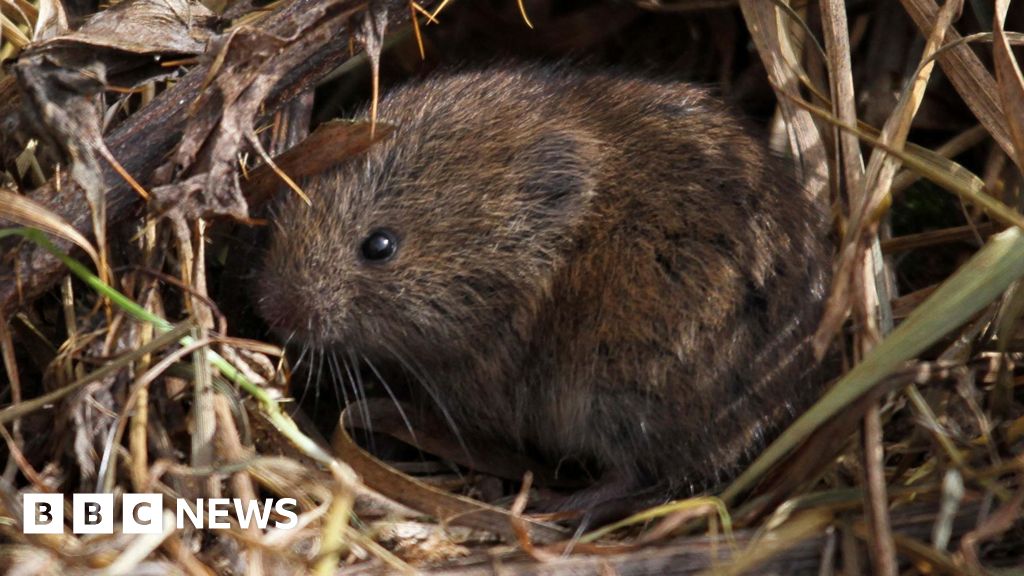
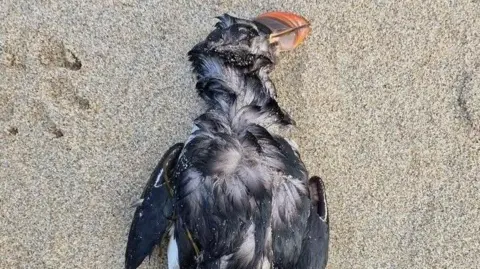
The marine environment has borne a significant brunt of the extreme conditions. The devastating effect of storms on seabirds, particularly the thousands of puffins washing up lifeless on the coastlines of the South West, Channel Islands, and France, has been extensively documented. These iconic birds, already facing pressures, are succumbing to exhaustion, starvation, and injuries from the turbulent seas. Rob Deaville, project manager for the Cetacean Stranding Investigation Programme (CSIP) at the Zoological Society of London, reported a busy few weeks for his team, with a surge in strandings of marine life. The "conveyer belt of storms hitting us" has led to numerous reports, including both live and deceased turtles, and a variety of cetaceans. Deaville confirmed that a significant proportion of these strandings are "likely to be storm related," as animals become disoriented, injured by debris, or simply overwhelmed by the sheer force and persistence of the ocean’s fury, making foraging and navigation almost impossible.
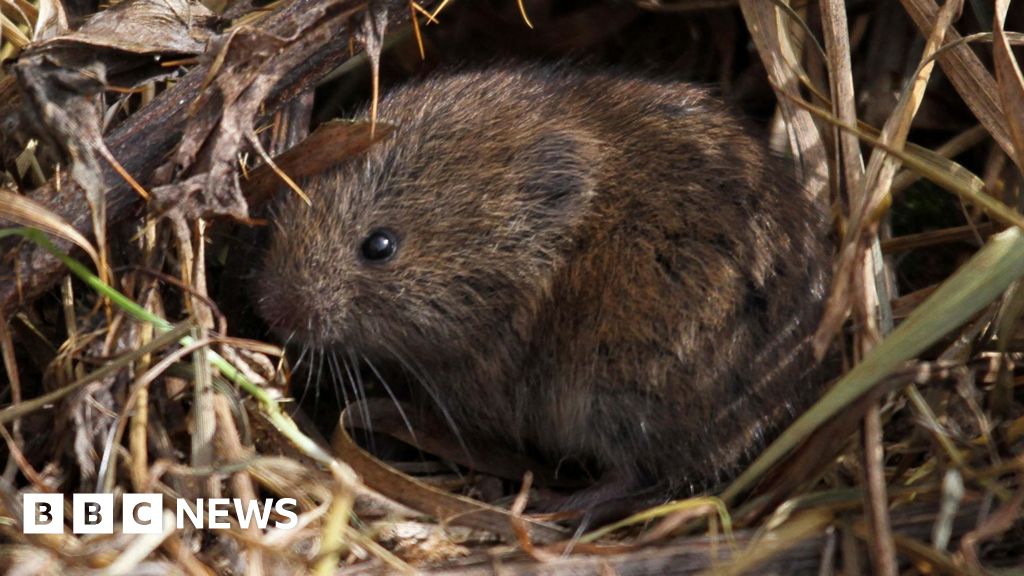
On land, the situation is equally dire. Habitats crucial for the survival of hedgehogs, field voles, and other small mammals have been obliterated by the floodwaters. These creatures, typically seeking shelter in dense vegetation, leaf piles, and underground burrows during colder months, find their refuges rapidly submerged, pushing them out into the open where they are vulnerable to drowning, hypothermia, or predation. Early nesting birds, attempting to breed during an unusually warm start to the season, have tragically lost their eggs and nests to the rising waters. Conservationists are issuing stark warnings that spring may see a noticeable scarcity of butterflies and other insect species, as floodwaters have mercilessly swept away their overwintering eggs and larvae, disrupting the very foundation of the terrestrial food web.
While some species possess natural resilience to wet winters, rescue groups emphasize that the sheer frequency and intensity of these repeated storms, coupled with the utterly saturated ground, are exceeding animals’ innate ability to cope. Stephen Hussey, from Devon Wildlife Trust, highlighted the particular peril faced by slow-moving mammals. "They may not be able to move to higher ground and therefore could be overwhelmed very quickly by water," he explained, painting a vivid picture of animals trapped by an inescapable deluge. Field voles, for instance, construct intricate burrow systems that offer vital protection, but these become death traps when flooded. Hedgehogs, another vulnerable species, rely heavily on their hibernation sites. Once floodwater infiltrates these shelters, their chances of survival plummet.
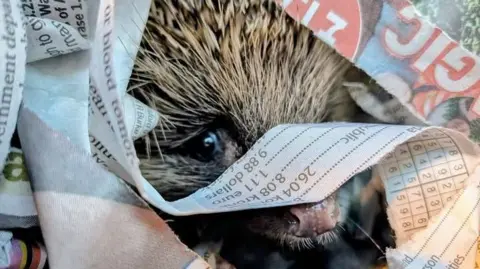
Rescue centres across the South West are witnessing the devastating consequences firsthand. With winters becoming "wetter and wetter" and summers increasingly warmer, fewer hedgehogs are achieving a full, uninterrupted hibernation. This disruption leads to chronic health issues and abnormal feeding patterns, leaving them ill-prepared for the extreme weather events. Prickles in a Pickle, a dedicated Devon hedgehog rescue group, has reported a significant surge in calls regarding hedgehogs washed from their nests in areas including Plymouth, Kingsbridge, Ivybridge, and Dartmouth. Co-founder Judy Thompson described this winter as "hard hitting" for the animals. "They have been flooded out of their homes and at this time of year, food is scarce," she lamented. "If they’re underweight, or they’ve struggled into the winter in the first place, this is a double hard hit for them." Thompson recounted the heartbreaking sight of hedgehogs arriving at the centre feeling like "little empty bags of prickles and very, very slim" due to severe dehydration. Paradoxically, despite being surrounded by water, they are unable to safely drink floodwater, which can be contaminated and carries the risk of being swept away. Furthermore, their primary food source, worms, are either drowned or driven deeper into the waterlogged soil, making them inaccessible.
Thompson also pointed to the human element exacerbating the crisis, noting that increasing development on and near floodplains is actively "stealing habitats, leaving wildlife with nowhere to go." She stressed the urgent need for "more natural management of floodplains and drainage" to create safe havens for wildlife. The European hedgehog, a beloved garden visitor, is protected under the Wildlife and Countryside Act 1981 and is tragically classified as "vulnerable to extinction" on the IUCN Red List for British Mammals. Their numbers have plummeted below one million in the UK, representing a staggering 30% decline in little over a decade, according to Devon Wildlife Trust. Thompson’s plea resonates deeply: "We can’t afford to lose them as fast as we are… I for one don’t want to see them disappear."
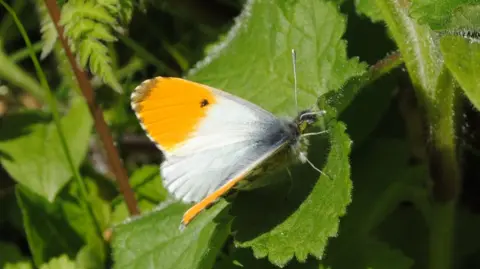
The true, wider ecological impact of this exceptionally wet winter may not fully reveal itself until spring, when the hedgerows and gardens that once teemed with vibrant butterflies may appear noticeably empty. Stephen Hussey explained the mechanism of this impending loss: "A lot of butterflies will have laid their eggs last spring and summer on plant material. If the water rises and covers it, those will be lost and washed away." Species like the orange-tip butterfly, typically one of the earliest to emerge, are particularly vulnerable. Their eggs and pupae spend the winter months sitting low on vegetation, making them highly susceptible to prolonged flooding. This loss of insects is not isolated; experts warn of a cascading "ripple effect" up the food chain, directly impacting birds, bats, and small mammals that rely on them as a vital food source. Beyond butterflies, many other insect species, including moths, beetles, and crucial pollinators, will undoubtedly have suffered similar fates, threatening the health and productivity of entire ecosystems.
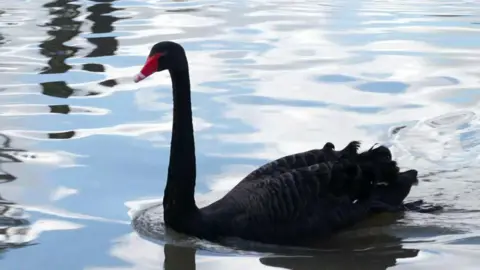
Even larger, more resilient birds are struggling. In Dawlish, Devon, the picturesque brook, famous for its black swans, witnessed two nests and a total of 10 eggs tragically washed away after consecutive January storms, including Storm Chandra, brought torrential rain and caused the watercourse to breach its banks. Don Phillips, the head waterfowl warden, confirmed that this was not an isolated incident, underscoring the increasing frequency of such events. Despite the setback, both pairs of black swans demonstrated remarkable resilience, subsequently rebuilding their nests in slightly higher, hopefully safer, locations and are now incubating fresh clutches of eggs. Phillips remains optimistic that these improved sites will offer better protection should more wet weather arrive. However, the energy expenditure required for re-nesting can reduce overall breeding success and survival rates. The severe winds accompanying the storms have also toppled numerous trees, destroying crucial nesting cavities for species like owls and woodpeckers, and collapsing burrows vital for badgers and rabbits.
The meteorological data paints a stark picture. The Met Office has confirmed that this season for Cornwall, Devon, and Dorset ranks among the top five wettest winters since records began, with parts of Cornwall and Devon experiencing rainfall totals approximately 150% of the long-term average. Prof Dave Hodgson, an ecologist at the University of Exeter’s Cornwall campus, acknowledged that while heavy winter rain is normal for the region, the sheer volume and persistence this season felt "a bit apocalyptic." He reiterated that such conditions are "inevitably going to wash away butterfly eggs, remove nesting sites and disrupt underground breeding areas."
Despite the grim outlook, Prof Hodgson maintains that many species possess the capacity to cope – but only if they are afforded the opportunity to escape. "A lot of wildlife is able to escape from floods and rainfall, but only if it has the opportunity to do so," he stressed. He highlighted the fundamental needs of wildlife, mirroring human requirements: "Wildlife have relatively simple needs, they’re much like people, they’re looking for shelter, food, safety from disease and predators and breeding opportunities." Hodgson asserted that this winter should serve as a profound "wake-up call" for society to prioritize the creation of more natural flood defences and wildlife-friendly escape routes. This includes establishing higher ground, ensuring interconnected green spaces, and maintaining undisturbed vegetation, all of which provide crucial refuges for animals during severe weather events.
Hodgson also pointed out that human infrastructure in the South West has demonstrably not been designed to withstand this level of sustained rainfall. A critical consequence of widespread flooding is the triggering of sewage releases into rivers and estuaries, which then expose wildlife to disease and toxic water. This pollution "exaggerates the number of wildlife death events," adding another layer of threat to already struggling populations.
Based on climate change models, more intense rainfall, severe storms, and widespread flooding are regrettably expected to become the norm in future winters. "We need to pay attention to climate change predictions and how we can mitigate these weather events through changing the way that we use the natural environment," Hodgson urged. This involves a comprehensive shift towards "working with the natural environment," which encompasses a range of proactive measures. These include investing in large-scale habitat restoration projects, such as rewilding river floodplains, creating extensive wetlands to absorb excess water, planting strategic woodlands to slow water flow, and implementing sustainable drainage systems in urban areas. Such approaches not only mitigate flood risk but also enhance biodiversity.
Beyond large-scale initiatives, individual actions also play a crucial role. Reducing waste, influencing local water and drainage management policies, and ensuring that daily practices operate more sustainably with less impact on biodiversity are responsibilities that fall to everyone. Hodgson’s concluding message is clear: "It’s not just the wildlife charities to solve this, it’s on every person to solve it by treading more lightly." The devastation witnessed in the South West serves as a powerful and urgent reminder that the health of our natural environment is inextricably linked to our own, demanding immediate and concerted action to protect the precious wildlife that enriches our lives and sustains our planet.



 atisusanti
 Nakalama John
 George Anjay