
 Ramos Leo
A specially chartered plane is poised to depart from Muscat International Airport in Oman at 23:00 local time (19:00 GMT). This flight represents a critical first step in what is anticipated to be a complex and prolonged repatriation operation. Priority for seats on this inaugural flight has been explicitly given to the most vulnerable British citizens, a standard protocol in such emergency evacuations, ensuring those with pressing medical needs, young families, or severe financial constraints are offered immediate assistance. The selection process, managed by the Foreign, Commonwealth & Development Office (FCDO), aims to address the most urgent cases amidst overwhelming demand.
The scale of the crisis facing British citizens abroad has become starkly clear, with more than 130,000 Britons having registered their interest in receiving assistance to leave the region since a new phase of conflict, described as a "war between the US and Israel and Iran," erupted just last Saturday. This staggering figure highlights the widespread impact of the geopolitical instability, affecting tourists, expatriate workers, and residents across multiple Gulf nations. The conflict’s rapid escalation has caught many off guard, leading to sudden airspace closures, cancelled commercial flights, and a pervasive sense of uncertainty and fear among those trapped.
British officials are actively exploring a range of further strategies to respond to what has been unequivocally described as the biggest disruption to international travel since the global Covid-19 pandemic. Unlike the pandemic, which presented a health crisis, the current situation is driven by direct military threats and the associated risks to civilian air travel. Simultaneously, the UK government is advancing plans for a significant military deployment, with a Royal Navy warship slated to be sent to the Mediterranean specifically to bolster defences around the strategically vital British military base at Akrotiri, Cyprus, which recently sustained an attack by an Iranian drone.
The vessel designated for this critical mission is the Royal Navy destroyer HMS Dragon, a formidable Type 45 air-defence destroyer known for its advanced radar systems and missile capabilities. Its deployment to the eastern Mediterranean is intended to provide robust protection for the British Sovereign Base Areas (SBAs) on Cyprus, which serve as crucial forward operating bases for UK and allied forces in the wider Middle East region. The drone attack on Akrotiri underscores the broadening geographical scope of the conflict and the direct threat posed to British interests. While Treasury minister James Murray, speaking on Wednesday morning, refrained from confirming the exact departure date of HMS Dragon from Portsmouth, its impending deployment signals a clear intent by the UK to safeguard its assets and personnel in the region. The Type 45 destroyers are specifically designed to shield naval task groups and other high-value units from sophisticated air threats, making HMS Dragon an ideal choice for protecting the base.
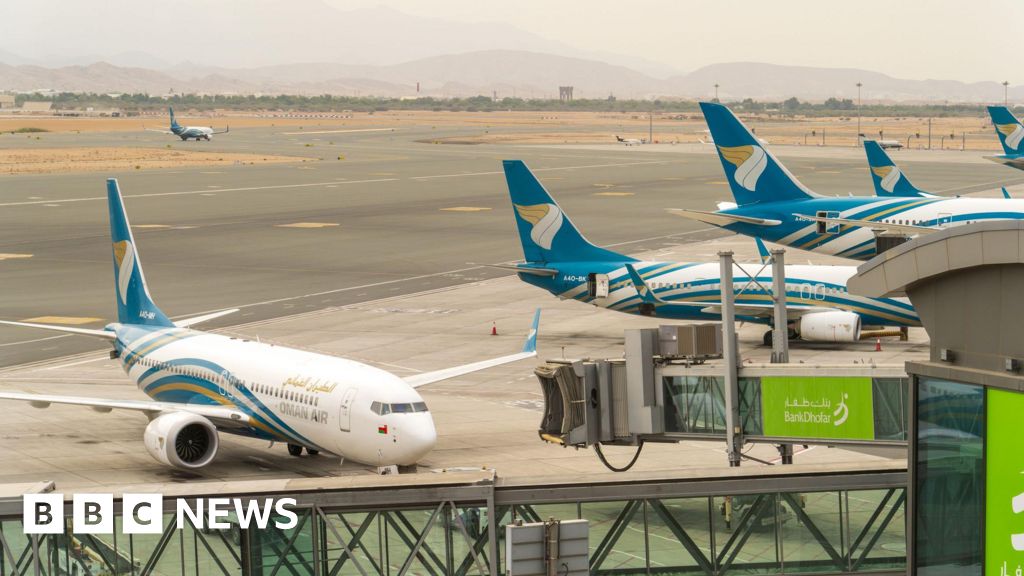
The FCDO has clarified that invitations to board the first repatriation flight from Oman later on Wednesday are being extended to British nationals, their spouses or partners, and dependent children under 18. This inclusive approach acknowledges the importance of keeping families together during times of crisis. Many UK nationals currently stranded in other affected areas, such as Dubai in the United Arab Emirates, have made their way to Oman, which has emerged as a temporary safe haven and a logistical hub for potential evacuations due to its relatively stable security situation and diplomatic ties. These individuals are being urged to register their interest in returning to the UK via a charter plane, though officials acknowledge that the sheer volume of demand is highly likely to significantly outstrip the limited capacity of the single aircraft departing on Wednesday. This imbalance highlights the immense logistical challenge ahead for the FCDO and partner agencies.
In light of the ongoing instability, the Foreign Office has issued updated travel advice, strongly advising against all but essential travel to several Gulf nations, including the United Arab Emirates, Bahrain, Kuwait, and Qatar. This advisory serves as a strong warning to potential travellers and also has significant implications for travel insurance policies, which often become void if travel is undertaken against official government advice. For those already in these countries, it signals the heightened risks and the urgent need to consider departing if safe and possible. The FCDO has also committed to "continue to work with airlines to find more routes for people to return home," indicating that the government is exploring all avenues, including further chartered flights and collaboration with commercial carriers, to facilitate the safe return of its citizens.
Foreign Secretary Yvette Cooper addressed Members of Parliament on Tuesday, reassuring them that the "safety and security" of British nationals was a "top priority" for the government. Her statement underscored the gravity of the situation and the government’s commitment to responding effectively. She also indicated that Oman was strategically positioned and therefore likely to be the primary departure point for the initial wave of repatriation flights, a prediction now being realized with Wednesday’s scheduled flight. The choice of Oman is likely due to its geographical proximity to other affected Gulf states, its relatively stable security environment, and its diplomatic openness to facilitating such operations.
Beyond the immediate focus on Oman, British nationals in a broader swathe of countries affected by the regional tensions – including Bahrain, Israel, Kuwait, Palestine, Qatar, and the United Arab Emirates – have also registered their presence with the FCDO. This extensive registration list paints a comprehensive picture of the widespread impact of the conflict on British citizens across the Middle East. For those in countries like the UAE, reaching Muscat, the capital of Oman, presents its own set of logistical hurdles. Muscat is approximately a 280-mile drive from Dubai, the UAE’s largest city and a major hub for British tourists and expatriates. While this distance is manageable under normal circumstances, the current security situation and potential disruptions to ground transport could complicate overland travel for those attempting to reach the Omani capital for a flight.
In addition to the government-chartered efforts, commercial airlines are also playing a role in the evolving situation. British Airways has announced that it will operate one commercial flight from Muscat to London’s Heathrow Airport. This flight is scheduled to depart on Thursday at 02:30 local time (22:30 GMT Wednesday), offering another avenue for Britons to return home. The availability of even a limited number of commercial flights provides some relief, though their capacity will also be quickly absorbed by the immense demand. The coordination between government repatriation efforts and commercial airline schedules is crucial in managing such large-scale evacuations, with the aim of maximizing the number of people who can safely return to the UK. The ongoing nature of the crisis means that the FCDO and its partners will continue to monitor the situation closely, adapt their strategies, and provide updated advice and assistance as events unfold across the volatile Middle East.




 George Anjay
 Nana Banana
 Roy Suryo
 atisusanti
 Nakalama John