
 Nakalama John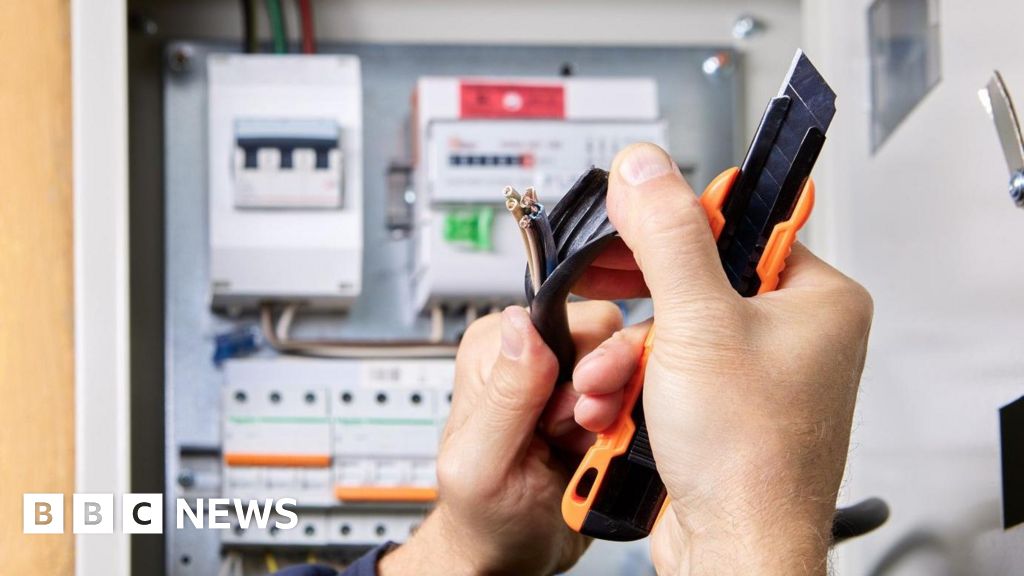
By Scott Hesketh, North West Investigations
A seasoned electrician, identifying himself as Tony from Manchester, has recounted a chilling experience that dramatically altered his perspective on illicit meter tampering. He confessed to the BBC how he configured an illegal electricity meter bypass for a friend’s business, only for the premises to be consumed by fire a mere four weeks later. This stark incident has compelled him to issue a grave warning to families nationwide, many of whom are grappling with the unprecedented pressures of the cost-of-living crisis: do not "dice with death" to economize on soaring fuel bills. His cautionary tale emerges amidst a BBC investigation revealing a sharp and alarming surge in energy theft across the UK.
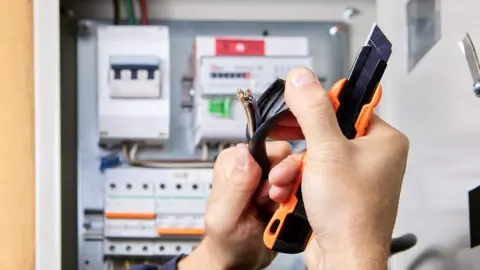
Tony, whose real name is withheld to protect his identity, has accumulated three decades of experience in the electrical trade. He described the last four to five years as "horrendous" due to the proliferation of dangerous, DIY-style tampering he encounters during his inspection work. "I do a lot of inspections and come across DIY tampering most days – often in houses where kids are running about. If they put their hands in the board, they’re dead," he grimly stated, highlighting the immediate and fatal risks.
For years, Tony admitted he regularly bypassed meters for others, operating on a cash-in-hand basis that was "untraceable." His clientele ranged widely, from those he felt a degree of sympathy for, to those simply seeking to evade costs. "Anything from an £80 job for families on the breadline needing to fiddle the electric to keep the kids warm, to businesses who just don’t want to pay the rates and would happily pay up to £2,000 for me to sort it, to rich people who want the mains spliced to feed their summer houses or hot tubs," he detailed. The demand, he noted, "is as high as it’s ever been and I’ve done my fair share of these jobs." However, that era of illicit work, for Tony, is now definitively over.
His decision to cease all off-the-books requests stemmed directly from the catastrophic failure of one of his tampering jobs. "I had an incident where I helped someone out – a functioning business – they needed a quick fix. I fiddled it for them and warned them it needed sorting properly or it could go up," Tony recalled, the memory still clearly unsettling. The casual nature of his warning belied the potential for disaster, which materialized just a month later. "Four weeks later the shop burns down."
Fortunately, no one was injured in the blaze, and no charges were ever pressed in connection with the fire. Despite escaping legal repercussions, the incident left an indelible mark on Tony. He is now passionately advocating for other electricians, or "sparks," to abandon such dangerous practices. "I turned a blind eye to the risks and the fact it was illegal, but when I look back it weren’t worth any money because that scare I had," he reflected, the gravity of the situation sinking in retrospectively. "I thought ‘wow – this is it, I could go to jail here, lose my missus, my house’ and it was all to help a friend in need."
Tony’s message to anyone contemplating meter tampering is unequivocal: "All I’d say to people who want to rig the meter is don’t do it, you’re dicing with death." He extended his warning to younger electricians tempted by quick cash: "don’t be tempted for the easy buck, because that’s all it is. You’re down in the pub with your mates or whatever, you’re pleased you’ve done a quick side job. But you’ve just put a family in jeopardy for a few extra quid. And if it does go wrong – and it does go wrong – you’re sat in a cell there doing 20 years, thinking to yourself, was it worth it?"
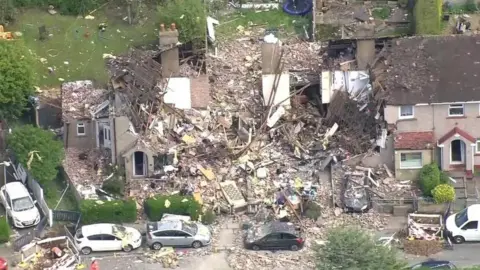
The lethal potential of energy theft was tragically underscored in May 2021 when two-year-old George Hinds was killed instantly in a gas explosion that ripped through his home in Heysham, Lancashire, while he slept. Darren Greenham was later jailed for 15 years for manslaughter, a stark reminder that the consequences of such actions can extend far beyond the immediate perpetrators. The explosion, caused by an illegal gas connection, decimated two houses and severely damaged a third, leaving a scene of utter devastation.
Almost five years after that tragedy, reports of individuals bypassing or tampering with utility meters—an act classified as theft and carrying penalties of up to five years in prison or substantial fines—are escalating at an alarming rate. Data from Crimestoppers’ ‘Stay Energy Safe’ campaign paints a grim picture: the charity received over 7,100 reports of suspected energy theft in 2021. By January of this year, that figure had almost doubled to nearly 13,800. Crimestoppers estimates that an additional 250,000 cases go unreported annually, collectively costing energy suppliers approximately £1.5 billion each year. This colossal sum is ultimately passed on to law-abiding consumers, adding an extra £50 annually to average household bills.
Police figures reviewed by the BBC indicate that eight of the top ten hotspots for electricity theft are concentrated in the north of England. For the period 2024-25, West Midlands Police recorded the highest number of ‘dishonest use of electricity’ cases, with 452 reports, followed by Greater Manchester with 330 and West Yorkshire with 293. This geographical concentration points to potential links with socio-economic challenges in these regions.
Electric shock
The BBC’s investigation delved into one terraced street in Manchester, where three residents openly admitted to tampering with either gas or electricity meters to save money, fully aware of the inherent risks of fire, electrocution, or even death. One such resident, Tracey, a 69-year-old mother of two, confessed to bypassing her electricity meter for eight years after being shown how by a local electrician. "I couldn’t afford it," she explained, her voice tinged with desperation. "I was out of work, I had no money and I had two kids and it was so cold. We couldn’t live without the heating."

Tracey acknowledged the illegality and danger of her actions but felt trapped, believing she had "no choice." "I hated doing it," she admitted, "And I knew I could have got caught. But that was the price I was willing to pay." She added that such practices were widespread in her community: "Everyone around here is on the fiddle. It’s a very poor area and a lot of us – and that includes young families with kids – just can’t afford to pay the bills."
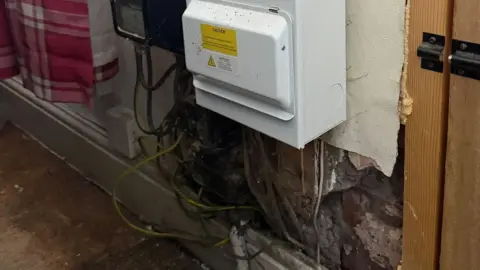
Tracey only ceased stealing power after experiencing an electric shock. She has since moved to a privately rented house but finds herself over £1,000 in fuel debt. Her current living situation remains perilous; live wires on her meter are exposed, and shoddy plasterwork near the outside wall leaves the installation vulnerable to wet weather. "I’m not on the fiddle anymore but I don’t feel safe here. It’s a death trap," she declared, living in constant fear.
Despite the Ofgem price cap, set at £1,758 for a typical dual-fuel household paying by direct debit from January 1, the cost remains approximately 40% higher than before the energy crisis. Tracey articulated the prevailing sentiment of many struggling households: "It might be theft what I did – what so many others around here are doing. But the prices they’re charging for gas and electric are daylight robbery."
The legal system’s response to these offences reveals another layer of complexity. Out of 2,435 reported ‘dishonest use of electricity’ offences in England and Wales in 2024-25, a mere 9% resulted in someone being charged or summonsed. A staggering 47% of cases concluded with an outcome of ‘investigation complete, no suspect identified.’ Furthermore, criminal justice data indicates a significant drop in cases proceeded against over the last decade, from 1,153 in the year ending June 2016 to just 502 in the year ending June 2025. This suggests challenges in identifying and prosecuting offenders, potentially emboldening others.
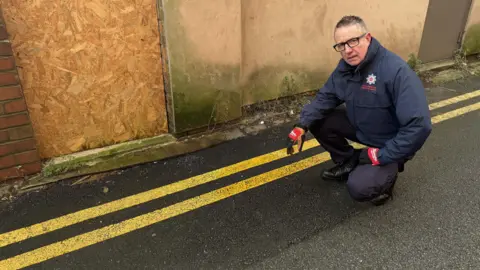
Beyond desperate households, organized crime gangs are also exploiting vulnerabilities in the energy infrastructure, often bypassing the grid to power illicit cannabis farms. These operations are increasingly sophisticated, with gangs sometimes establishing fake utility companies to dig up roads and tap directly into mains supplies. Warren Topp, an incident intelligence officer with Lancashire Fire and Rescue Service, demonstrated this ingenuity outside a disused warehouse in Blackpool. He showed where criminals had excavated the road to connect live cables to a cannabis farm, employing "professional jointing teams" to make these "extremely dangerous" live connections, securing an "unmetered supply." In an audacious attempt to evade detection, the gang even used fake double yellow lines made from stickers to deceive police.
The perils of such illicit connections were starkly illustrated in Bangor, North Wales, where botched wiring at a foiled cannabis factory, cultivating plants worth an estimated £1.5 million, triggered a series of explosions. One of the offenders sustained serious facial burns in the incident. The men involved had audaciously used a registered utility company as a front, hiding their dangerous illegal activities in plain sight.
Warren Topp underscored the grave public safety risks posed by these underground diggings, not to mention the extreme danger they present to firefighters. "We can’t isolate the supply, we’re dealing with water and live electric, and there are holes cut through floors that firefighters can fall through," he explained, painting a vivid picture of the hazards faced by emergency services.
Freedom of Information requests sent by the BBC to police forces across England and Wales revealed the extent to which energy theft is linked to drug cultivation. Out of 14 forces providing comparable figures for the last three years, Durham Constabulary reported the highest percentage, with 72% (168 of 232) of linked cases between 2023 and 2025. Cambridgeshire Constabulary followed closely with 71% (48 of 68), while Devon & Cornwall recorded the lowest at 12%.
While approximately three-quarters of meter-tampering callouts in Lancashire were cannabis-related, fire chiefs emphasize a growing trend of desperate households taking similar, life-threatening risks. Warren Topp observed a "rise in callouts since Covid and the cost-of-living crisis." He added: "When money is scarce, people make the wrong decisions. They watch online tutorials and they think they can do the job themselves. But our message is clear. There is no safe way to bypass a meter. And if you do, you’re putting yourself, your neighbours and firefighters at risk."
Electrician Tony reiterated this stark warning, hoping his own harrowing experience might deter others. "The risks of bypassing or tampering with the meter are severe: Electric shock, death, burning your house down and probably half the row. It’s as serious as that."



 Nana Banana
 George Anjay

 Ramos Leo
 Roy Suryo
 atisusanti