atisusanti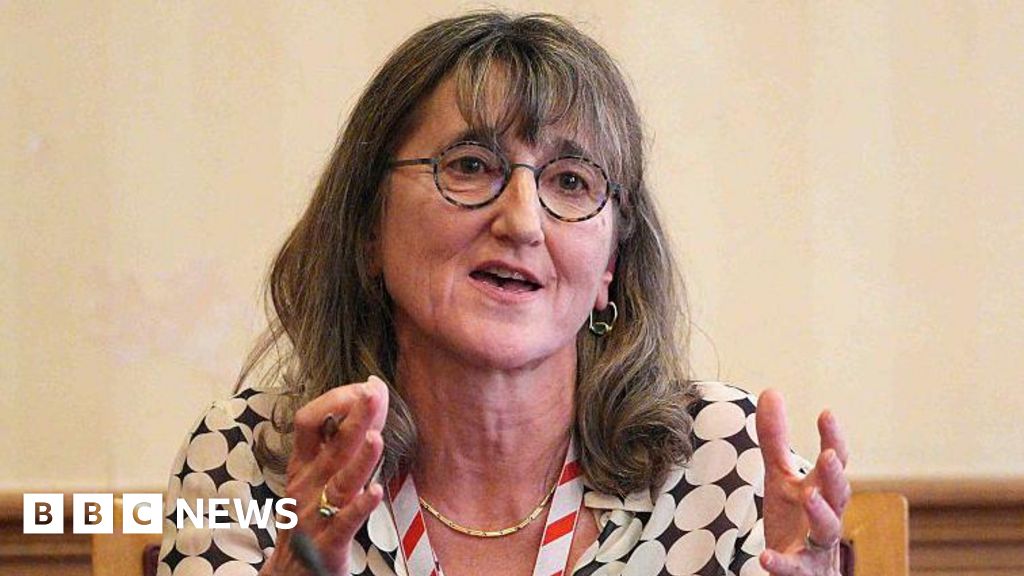
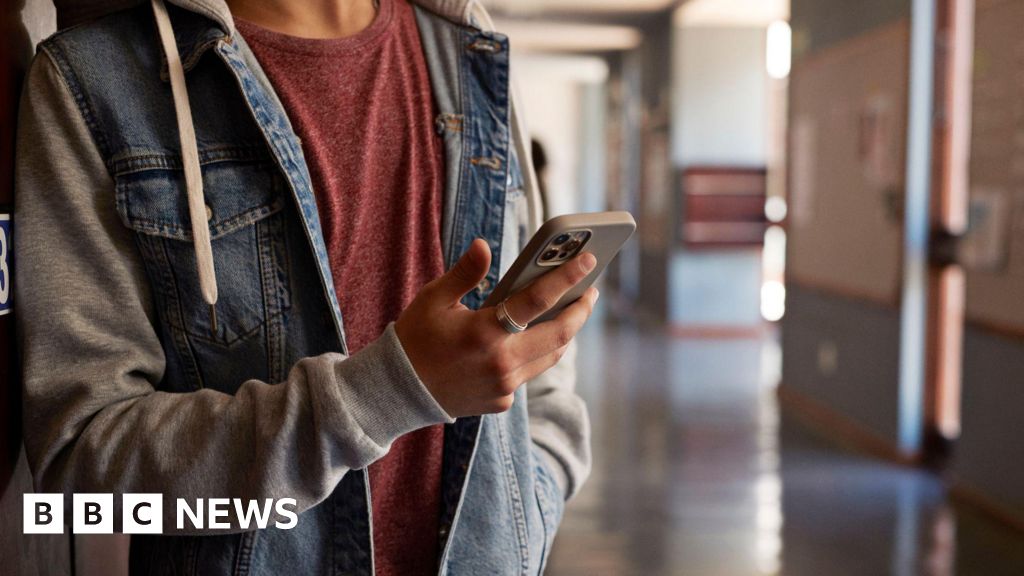
A prominent online safety advocate has sharply criticised Prime Minister Keir Starmer, accusing him of "appeasing" major technology corporations and being "dangerously late" in his approach to regulating social media and artificial intelligence. Baroness Kidron, a crossbench peer and influential voice in Parliament on digital safety, urged Starmer to move beyond further consultations and implement decisive action. She expressed her frustration, stating that the government needed to "get on with it" rather than prolonging the process with more discussions.
Baroness Kidron specifically took issue with Starmer’s repeated references to his personal experience as a father of two teenagers navigating the complexities of social media. She argued that this parental perspective, while understandable, did not qualify him as an expert on the subject. Furthermore, she suggested that his own children were likely "sheltered" in their online experiences compared to the broader population, implying that his personal anecdotes offered a limited and potentially misleading view of the pervasive risks faced by young people today.
The government, in response to these criticisms, has vehemently denied the accusations. A spokesperson stated that the administration had already enacted "some of the strongest online safety protections in the world," highlighting their commitment to safeguarding users, particularly children. This assertion comes as Sir Keir Starmer has initiated a public consultation aimed at potentially banning individuals under the age of 16 from social media platforms. He has also pledged a concerted effort to curb the "addictive elements" inherent in these applications, which he believes are designed to keep young users engrossed for extended periods.
However, Baroness Kidron dismissed these proposals as largely rehashed ideas. She pointed out that many of the suggestions had already been formally presented and debated within the House of Lords and could, in fact, be adopted by the government as early as the following week. This suggests a perceived lack of urgency and innovation on the part of the current administration, according to the campaigner.
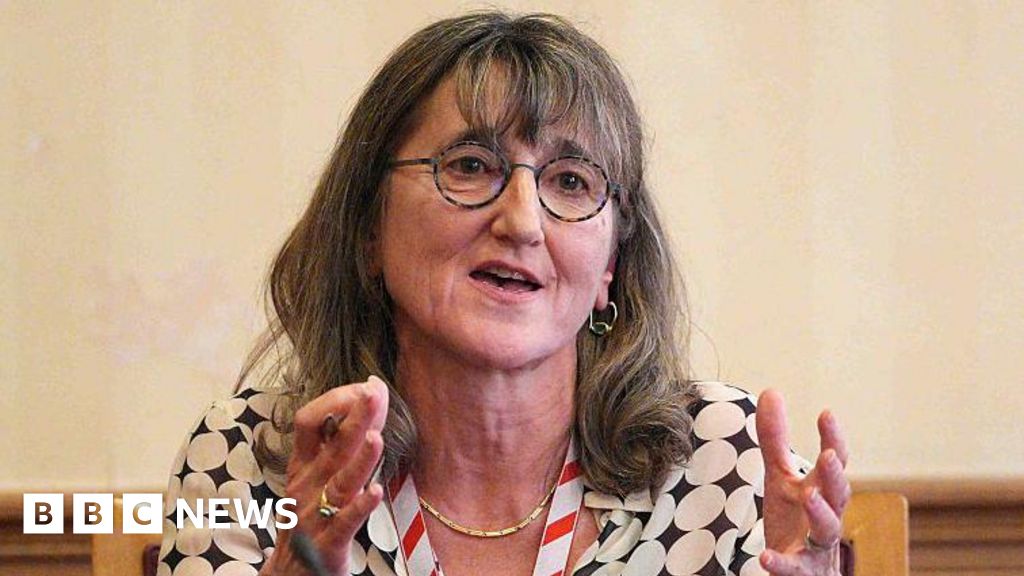
Baroness Kidron, a former award-winning film director before transitioning to the House of Lords, has emerged as a leading authority on online safety issues within Parliament. In a candid interview with Nick Robinson on BBC Radio 4’s "Political Thinking," she detailed a history of governmental reluctance to address critical safety concerns. She highlighted instances where successive administrations had reportedly resisted proposals that could have prevented the misuse of AI chatbots for generating explicit or harmful content, such as the creation of sexually explicit images.
When pressed for her direct message to Prime Minister Starmer, Baroness Kidron invoked the historical words of Winston Churchill, famously stating, "the appeaser thinks that they feed the crocodile in the hope they’ll be eaten last." This powerful metaphor underscored her belief that Starmer’s current approach, which she characterised as "rubbing up against the tech bros," was a misguided attempt to placate powerful tech companies at the expense of public safety. Her stark accusation, "We’re giving away our kids to Silicon Valley to please Trump," encapsulates her deep-seated concern that current policies are prioritizing corporate interests over the well-being of children.
The Prime Minister, in a recent article, articulated his desire to "crack down on the addictive elements of social media" that he believes are responsible for "keeping our children hooked on their screens for hours." He defiantly added, "And if that means a fight with the big social media companies, then bring it on." This declaration of intent, however, has been met with skepticism by Baroness Kidron, who views it as insufficient action.
The government spokesperson reiterated their firm stance: "We are clear: when it comes to children’s safety, nothing is off the table, and no company is too big to face the consequences." To substantiate this claim, they pointed to recent actions, including calling out "abhorrent non-consensual intimate images being shared on Grok, which led to functionality being removed." They also highlighted ongoing legislative efforts to criminalise "nudification" tools and bring additional chatbots under the purview of the Online Safety Act.
Sir Keir Starmer has frequently spoken about his personal understanding of the risks associated with social media for young people, drawing on his own experiences as a parent. However, Baroness Kidron deemed it "careless" for the Prime Minister to frame the issue "through the lens of his own children." She firmly stated, "I don’t think that anybody is an expert because they have their own children."
Expanding on this point, Baroness Kidron elaborated that the Prime Minister’s children likely benefit from a significantly protected environment. "His children are very particularly sheltered," she asserted. She elaborated on the privilege of his position: "He is the prime minister. He has two working parents with education and access to all the information in the world and nothing that untoward might happen to his individual children. That’s not the experience of children at large." This highlights a perceived disconnect between the Prime Minister’s personal circumstances and the realities faced by a diverse range of children.
Critics of the proposed ban on social media for under-16s have raised concerns that such a measure might simply drive young users to other, potentially less regulated, parts of the internet, thereby failing to enhance overall safety. Baroness Kidron acknowledged that a blanket ban is "not a silver bullet."
However, she expressed a nuanced view on participation in the digital world. "My own personal view is that we are in a digital world, we have an AI future, and we can’t uninvite the next generation," she told Nick Robinson. She believes that preventing children from engaging with these technologies entirely is neither feasible nor desirable. Instead, she advocates for conditional access: "We have to let them participate in that. But I do think that access to children should be conditional, and it should be conditional on respecting their rights, on keeping them safe, on actually not addicting them and not extracting economic value out of their behaviour." This emphasizes a framework where digital engagement is permitted, but only under stringent conditions that prioritize user well-being and ethical conduct by technology platforms.
The full interview with Baroness Kidron is available on BBC Radio 4 at 17:30 GMT on Saturday, and can also be accessed via BBC Sounds.

 Nakalama John
 George Anjay