atisusanti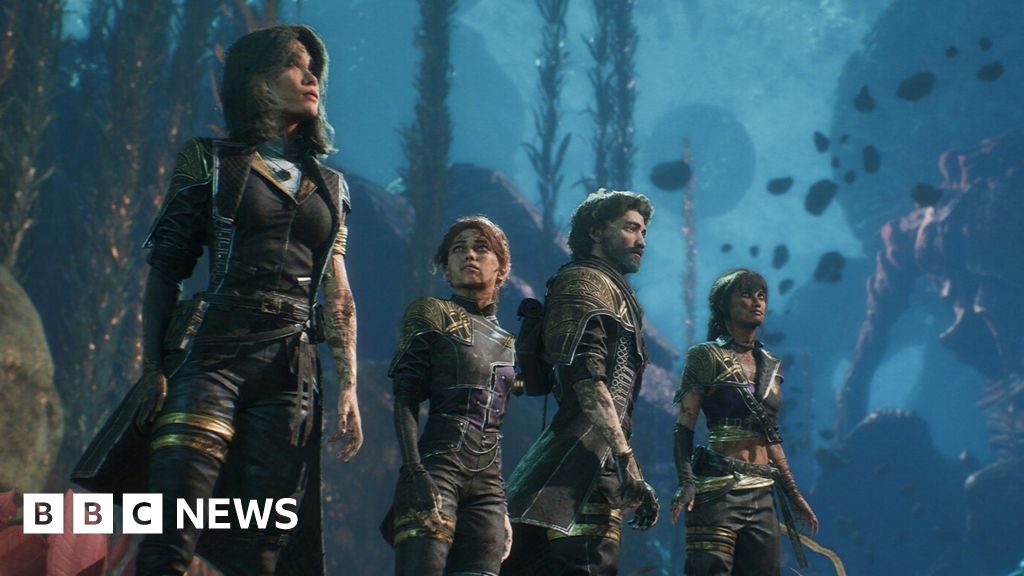
The question of what a video game is truly "worth" is becoming increasingly complex in an industry where prices are steadily climbing, yet player expectations are evolving. In the UK, a £70 price tag has long been synonymous with blockbuster, or "AAA" titles – those sprawling, high-fidelity experiences crafted by large teams, boasting cutting-edge graphics and dozens of hours of gameplay. This pricing standard was further solidified in 2025 when Nintendo listed major Switch titles like Mario Kart World at a substantial £74.99. However, a new wave of critically acclaimed games, lauded for their "AAA-feel" by both critics and gamers, are challenging this convention. Titles such as ARC Raiders, Split Fiction, and most notably, Clair Obscur: Expedition 33, have opted for more modest price points in the £30-£40 range.
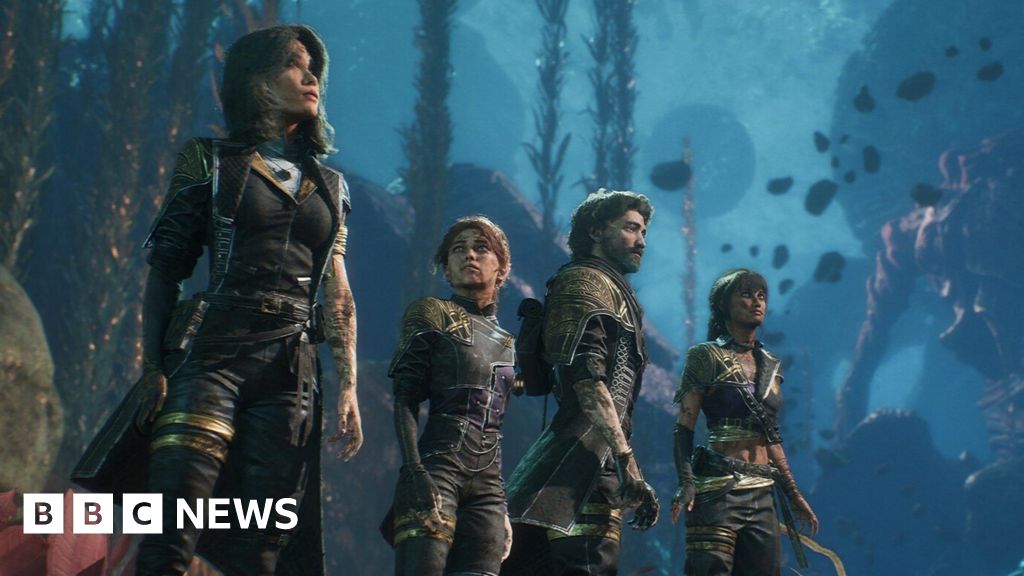
Clair Obscur: Expedition 33, a creation of French developers Sandfall Interactive and published by Kepler Interactive, has achieved an unprecedented level of critical acclaim, amassing a staggering 436 Game of the Year awards, surpassing even the renowned Elden Ring. Despite this overwhelming success, Alexis Garavaryan, the head of Kepler Interactive, revealed to the BBC that the decision to price the game below the prevailing blockbuster norm was a deliberate strategic choice. "Ultimately, we’ve seen a number of larger companies increase prices quite regularly. And we’ve kind of taken the opposite action," Garavaryan explained. "We try to think, ‘What do we think the price should be?’ And then we price it lower."
Garavaryan posits that player tastes are undergoing a significant shift, moving away from the traditional hallmarks of big AAA studio offerings, such as hyper-realistic graphics and sheer volume of content in terms of hours. Instead, he argues, players are increasingly prioritizing the "exceptional" or "novel" nature of the gaming experience. This evolution in player preference raises a pertinent question: if spectacle is no longer the sole determinant of value, is the blockbuster price tag becoming harder to justify?
Recent market data supports this notion of changing consumer behaviour. A consumer study indicated that the majority of gamers are spending less on new titles. Specifically, only 4% of US video game players purchase a new game more often than once a month, with a substantial third of players abstaining from buying any games at all. This trend suggests a growing price sensitivity among the gaming populace.
The anticipation surrounding highly anticipated titles like Grand Theft Auto 6 further highlights the pricing dilemma. While Take-Two Interactive and Rockstar, the game’s publisher and developer, have yet to confirm its price, expectations are that it will likely exceed the current benchmark, especially given its complex development history and previous delays. The rising cost of technology, such as RAM, which has more than doubled in price since October 2025, also contributes to the upward pressure on game development and, consequently, retail prices.

Despite these economic pressures, Garavaryan’s strategy with Kepler Interactive is to create a perception of value for the consumer. "We want them to feel like we are respectful of their money, respectful of their time, and that fundamentally, every time they buy a game from us, they’re getting a great deal," he stated. "And we’re excited for players to be able to play five, six different experiences with the same amount of money than a traditional AAA game would bring them." This approach aims to offer a more diverse portfolio of experiences at a price point that feels accessible and rewarding.
Kepler Interactive itself represents a unique model in the industry, functioning as a collective of several independent studios rather than a singular entity. This collaborative approach allows for a diverse range of creative outputs. However, the broader industry landscape remains dominated by the AAA paradigm. Rebekah Valentine, a senior reporter at IGN, cautioned that the success of Clair Obscur might not signify a complete departure from AAA expectations. She pointed to the enduring popularity of "forever" AAA games like Fortnite and Call of Duty, which, through continuous updates and a focus on social play, maintain massive player bases month after month.
Valentine also noted the sheer volume of games released annually, emphasizing that "dozens, hundreds of really unique, interesting games published every week, month, and year – most of which do not sell well nor do they gain this level of attention." This underscores the immense challenge for any game, regardless of its quality, to capture player attention in a saturated market.

Christopher Dring, editor-in-chief and co-founder of The Game Business, echoed this sentiment. While acknowledging that smaller-budget games can achieve significant success, he reminded the industry that blockbuster titles such as Resident Evil Requiem and GTA 6 remain the most anticipated games of the year. Dring reframed the battle for a game’s success not solely on price, but on its ability to capture player attention. "In a challenged attention economy, where consumers are awash with choice, doing something interesting is key," he remarked.
Garavaryan, however, remains confident in Kepler Interactive’s ability to stand out. He revealed the company’s unusual venture into producing a physical magazine, a deliberate move towards analogue products in an increasingly digital world. "I think as people move away from the more physical, the more human touch, we want to find that as a place where we find a lot of comfort," he shared. "It may not be for everybody, but we know that there’s an audience that’s going to care about well-crafted, human-crafted products." This focus on tangible, "human-crafted" products suggests a strategy to appeal to a segment of the market that values artistry and a personal connection to the games they play, further differentiating Kepler’s approach from the mass-produced, high-volume model often associated with AAA gaming. The success of Clair Obscur at a lower price point, coupled with Kepler’s unique publishing philosophy, signals a potential recalibration of value in the video game market, where innovation and player-centric pricing may increasingly eclipse the sheer scale of production.




 Nakalama John
 George Anjay