
 George Anjay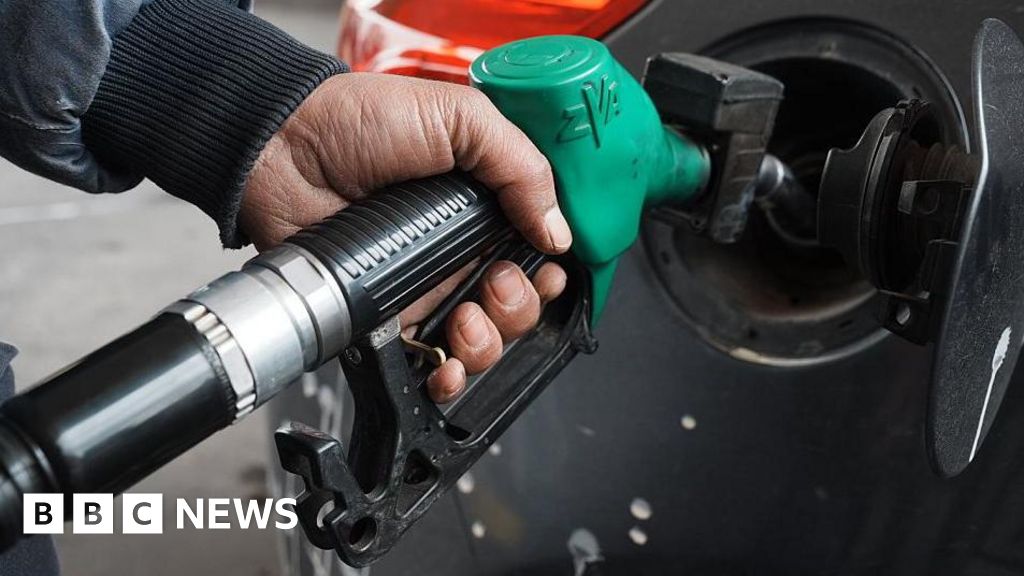
Oil prices surged dramatically on Tuesday, with Brent crude climbing 3.2% to $80 a barrel, while the price of natural gas experienced a staggering 30% increase. This volatile market reaction stems from escalating tensions in the Persian Gulf, following new threats from Iran regarding maritime traffic through the vital Strait of Hormuz. The ripple effects have been felt across global financial markets, with stock markets in Europe and Asia continuing their downward trend as investors grapple with the potential economic fallout, including renewed inflationary pressures and a recalcitrant interest rate environment.
In Europe, the UK’s FTSE 100 index opened the trading day down by a significant 1.4%, while Germany’s Dax index followed suit, registering a 1.7% decline. The commodity markets were particularly sensitive to the news, with gas prices leaping by approximately one-third to around 140 pence per therm. This surge in gas prices poses a direct threat to household energy bills and is anticipated to further fuel inflation. The market’s unease was palpable on Monday when QatarEnergy, a global powerhouse in liquefied natural gas (LNG) exports, announced a temporary halt in production following "military attacks" on its facilities. This incident, coupled with the latest pronouncements from Iran, has injected a fresh wave of uncertainty into energy supply chains.
Adding to the escalating concerns, Ebrahim Jabbari, an adviser to the commander-in-chief of Iran’s Islamic Revolutionary Guard Corps (IRGC), issued a stark warning to state television, stating that ships "should not come to this region. They will certainly face a serious response from us." This direct threat underscores the precariousness of maritime trade in the Persian Gulf, a region of paramount geopolitical and economic importance. The Strait of Hormuz, a narrow waterway through which approximately 20% of the world’s oil and gas passes, is a critical artery for global energy supplies. However, shipping traffic through this vital chokepoint has been brought to a standstill in recent days following a series of vessel attacks.
The disruption to shipping through the Strait of Hormuz has not only driven up prices on global energy markets but has also significantly inflated the cost of transporting oil. According to data from the London Stock Exchange Group, the cost of chartering a supertanker to move oil from the Middle East to China reached an unprecedented high of over $400,000 (£298,300) on Monday, nearly doubling its cost from the previous week. Sanne Manders, president of the logistics technology platform Flexport, described the situation as the Strait of Hormuz being "effectively closed." Manders elaborated that this closure is a consequence of both shipping carriers’ reluctance to assume the inherent risks and, crucially, insurance companies’ unwillingness to underwrite these perilous voyages. He further predicted that shipping companies would inevitably begin to increase rates for all global shipments, anticipating higher fuel costs.
The ramifications of prolonged disruption to these vital shipping lanes could be severe. Srinivaasan Balakrishnan, a principal at risk research firm Avellon Intelligence, cautioned that crude oil prices could breach the $100 per barrel mark if the current shipping disruptions persist. He projected that if oil prices remain at that elevated level, US gasoline prices could see an increase of up to 25 cents per gallon. In response to the unfolding crisis, senior US officials are reportedly convening to discuss potential measures. Secretary of State Marco Rubio indicated that Washington would soon unveil plans to address the rising energy prices. "We knew that going in would be a factor," Rubio stated. "Starting tomorrow you will see us rolling out those phases to try to mitigate against that."
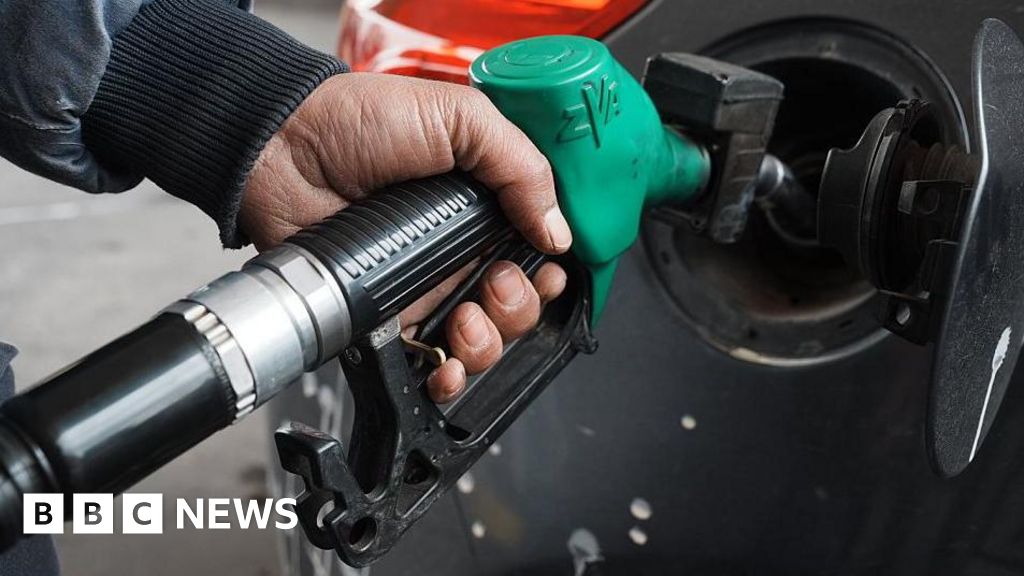
The impact is not confined to the United States. The UK is also bracing for higher fuel prices if the cost of oil continues its upward trajectory. Alasdair Locke, chairman of Motor Fuel Group, the UK’s largest independent forecourt operator, expressed his concerns. "With the price of oil going up, that is inevitably going to feed through in due course to higher prices at the pump," he said. Locke added that the extent of the price increase at the pump would be contingent on the duration and magnitude of the oil price hike. Beyond direct fuel costs, elevated oil prices have a broader economic impact, contributing to increased expenses for transportation and food, thereby exacerbating inflationary pressures. A sustained rise in inflation could, in turn, make central banks less inclined to cut interest rates in the coming months, potentially dampening economic growth.
The geopolitical instability in the Persian Gulf has sent shockwaves through Asian markets. Japan’s Nikkei index closed down by 3.3%, with shares of export-reliant firms such as Toyota, Panasonic, and Sony among the hardest hit. Similarly, Hong Kong’s Hang Seng and the Shanghai Composite in mainland China also experienced declines. South Korea’s Kospi index, which was closed for a public holiday on Monday, saw a sharp fall of over 7% upon reopening. South Korea’s export-driven economy is particularly susceptible to geopolitical events, and the share prices of its leading companies, including Hyundai, Samsung, and chip manufacturer SK Hynix, all fell by approximately 10%. The interconnectedness of the global economy means that instability in one crucial region can trigger a cascade of adverse effects across diverse markets and industries. The threat to Gulf shipping represents not just a localized concern but a significant global economic risk, with the potential to reshape energy markets, inflationary trajectories, and overall economic sentiment for the foreseeable future. The coming days and weeks will be crucial in determining the duration and severity of this latest energy crisis.




 Roy Suryo
 Ramos Leo
 Nakalama John