Nakalama John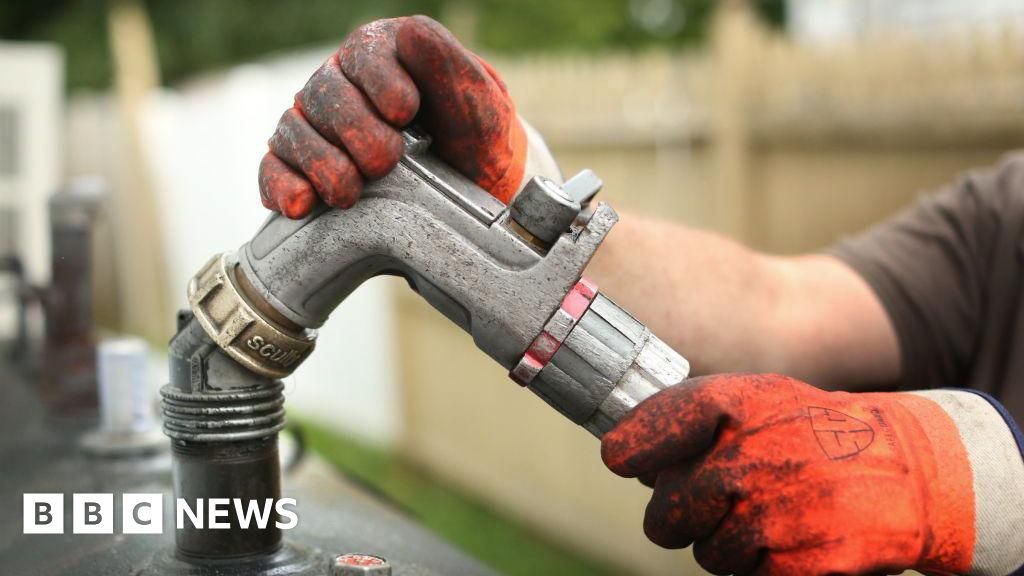
Northern Ireland is currently grappling with a significant surge in home heating oil prices, with some households reporting increases of over £100 in less than a week, a direct consequence of escalating geopolitical tensions in the Middle East. This sharp spike places immense pressure on families in a region where heating oil is the primary energy source for nearly two-thirds of homes, the highest proportion across all UK nations. The abrupt rise signals a worrying reversal of recent downward trends in broader fuel costs, prompting concerns about widespread financial strain as the cost of living crisis continues to bite.
The recent escalation of conflict in the Middle East has sent ripples through global energy markets, leading to immediate increases in crude oil prices. A critical factor contributing to this volatility is Iran’s recent warning to vessels regarding passage through the Strait of Hormuz, a narrow yet vital waterway through which approximately 20% of the world’s oil and gas supplies are shipped daily. Any perceived threat to this crucial chokepoint instantly triggers fears of supply disruptions, pushing global oil benchmarks upwards. While the global wholesale price of Brent Crude saw a relatively modest increase of about 6% on Monday, bringing it to just under $80 a barrel—still well below the peaks exceeding $100 after Russia’s invasion of Ukraine—the impact on Northern Ireland’s domestic heating oil market has been disproportionately severe.
The Consumer Council for Northern Ireland (CCNI) acknowledged that crude oil prices are "rising and remain unpredictable in the short term" due to the conflict, affirming their commitment to monitoring the situation closely. This unpredictability is particularly concerning for Northern Ireland, where 62.5% of households rely on oil for heating, making the region uniquely vulnerable to international oil market fluctuations. This reliance contrasts sharply with other parts of the UK, where natural gas networks are more extensive. For many families, heating oil is not a luxury but a fundamental necessity, and sudden price hikes can plunge households into difficult choices between warmth and other essential expenditures.
Concrete examples highlight the severity of the price jump: quotes for 500 litres of home heating oil from some providers in County Armagh were reported at £395 on Monday, while another supplier in County Down listed the same volume for £425. These figures represent a substantial increase compared to prices observed just the previous week, echoing motoring journalist Ian Lynas’s personal experience of buying 500 litres for £309 on Friday, only to see the price jump to £415 by Monday morning. Such rapid and significant increases, sometimes exceeding 30% in a matter of days, underscore the fragility of the local supply chain and its susceptibility to global events.
The wider fuel market is also experiencing a shift. The AA motoring group has cautioned that fuel costs could return to levels seen at the start of the year over the coming weeks, reversing a general trajectory of falling prices on UK forecourts in recent times. This change in direction adds another layer of financial pressure on commuters and businesses. SDLP councillor Malachy Quinn publicly highlighted the stark reality at the pumps, noting a garage where diesel was £1.30 per litre on Monday morning, only to rise to £1.39 by that evening. Quinn voiced the sentiment of many, stating, "Ordinary families are watching the numbers climb on forecourts and fuel invoices," reflecting the pervasive anxiety about escalating costs across all forms of fuel.

The human impact of these rising prices is palpable across Northern Ireland. Speaking in Belfast city centre, residents expressed their deep concerns. Ben Turner articulated the public’s weary acceptance of "various different costs for a long time," describing the latest increase as "one more thing you have to stomach." He emphasized that rising fuel prices will undoubtedly add to "already tight budgets," influencing everyday decisions. "It’ll be that factor on day trips, particularly with the nicer weather now, but actually will that trip up to the north coast cost that little bit more if the fuel prices go up? So that will be a factor in planning," Turner explained, illustrating how the cost spirals beyond just heating homes.
Natalie, a resident of Glengormley who uses heating oil, echoed these sentiments, stating that the rise puts "a lot of pressure" on households. "It’s just really another added pressure with the cost of living in general and now with the oil prices going up, just everything’s become much more expensive," she lamented, adding that the trend extends to "groceries as well, everything’s just gone up in general." This highlights the cumulative burden facing families. Kenneth McClernon, primarily concerned with car fuel prices, expressed his frustration with the relentless upward trajectory: "It’s been going up and up and up and I’ve never seen it come down; very rarely it comes down." His conclusion, "With everything being the price it is now, you’re better walking," underscores the drastic measures people are contemplating to cope. Barbara Foster from Portstewart conveyed a hopeful but uncertain outlook: "Hopefully it won’t be very long that this goes on for, then we’ve got the summer coming up so hopefully by the autumn things [will] have got more stable," reflecting a widespread desire for stability amidst the current volatility.

Motoring journalist Ian Lynas, based in Portadown, voiced deeper anxieties about the long-term implications, fearing that elevated oil prices could persist for months. He stressed the widespread economic fallout: "This affects everybody, the small business man, somebody at the green grocery shop or the clothes shop in the small town or the big town, they’re going to find their heating costs are up." His personal anecdote of a £106 increase on 500 litres in just a few days serves as a stark illustration of the immediate and significant financial hit.
In response to these challenges, the CCNI offers practical advice for consumers to mitigate the impact. The primary recommendation is to "shop around" and never settle for the first quote received, as prices can vary significantly between suppliers. Buying in bulk is also advised, as larger orders often attract lower per-litre costs. Furthermore, consumers are encouraged to join heating oil buying groups, where communities pool orders from multiple households to collectively negotiate better rates from suppliers, leveraging bulk purchasing power. The NI Housing Executive also runs an oil savings network, free to join and open to all households, regardless of ownership status. For those looking to budget, the NI Oil Federation provides a pre-payment scheme, and fuel stamps allow residents to spread the cost by purchasing stamps from local retailers to use towards their oil delivery.

David Blevings, executive director at the Northern Ireland Oil Federation, has advocated for a more fundamental solution: the establishment of an oil reserves agency in Northern Ireland. "We hold nothing in Northern Ireland which I think is a mistake," Blevings stated on the BBC’s Good Morning Ulster. He explained that current market volatility means "oil distributors do not carry stock anymore," leaving the region highly exposed to immediate price shocks and supply chain disruptions. Blevings’s call highlights a critical gap in energy security for Northern Ireland, arguing that strategic reserves could buffer consumers from the most extreme price swings. He also advised consumers not to order oil if they do not immediately need it, to avoid contributing to panic-driven demand spikes.
John Campbell, BBC News NI’s Economics and business editor, pointed out the curious discrepancy between the global wholesale price increase and the local jump. While Brent Crude rose by approximately 6% on Monday, some Northern Ireland consumers reported price hikes of over 30% for home heating oil. The precise reasons for this much larger local increase remain "unclear," a significant concern given the lack of regulatory oversight requiring heating oil companies to explain their pricing strategies. This divergence could be attributed to various factors, including localized supply chain pressures, increased demand from panic buying, or distributors adjusting margins in a volatile market. The lack of transparency in the heating oil sector further complicates efforts to understand and address these rapid price fluctuations, leaving consumers reliant on proactive shopping and community-led initiatives to manage their essential heating costs. All consumers can do is "hope for the best," as Barbara Foster articulated, while navigating a deeply unpredictable energy landscape.


 Roy Suryo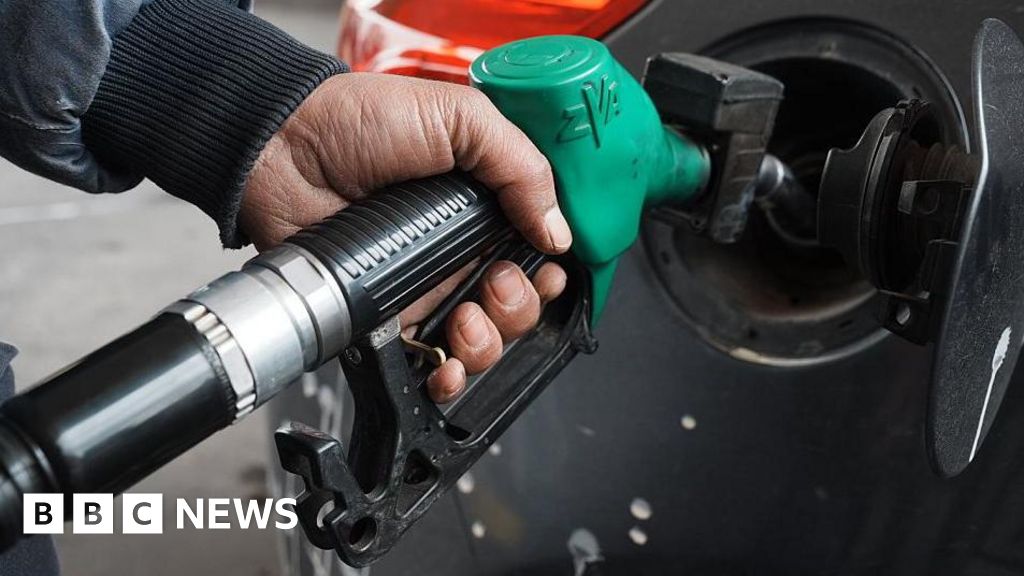
 George Anjay
 Ramos Leo