
 atisusanti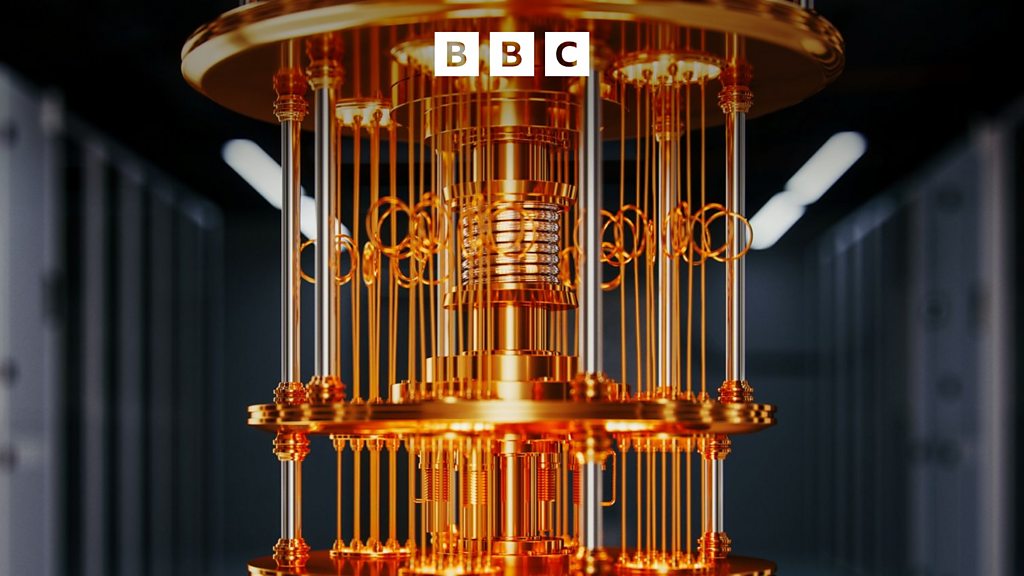
The potential of quantum computers to solve problems currently intractable for even the most powerful classical supercomputers is staggering. Imagine designing novel drugs and materials with unprecedented precision, simulating complex molecular interactions to unlock cures for diseases, or optimizing global logistics and financial systems to an unimaginable degree. Quantum algorithms, such as Shor’s algorithm, threaten to render current public-key cryptography obsolete, a development that necessitates a proactive approach to developing quantum-resistant encryption methods to safeguard sensitive data and maintain digital security. This potential for disruption underscores the urgency of establishing a robust ethical framework.
Beyond the immediate technological implications, the very nature of quantum computation raises profound philosophical and societal questions. The ability to explore vast possibility spaces simultaneously could lead to breakthroughs in artificial intelligence, potentially accelerating the development of sentient or superintelligent AI. This prospect, while exciting, also necessitates careful consideration of control, alignment, and the very definition of consciousness. Furthermore, the immense power wielded by those who control advanced quantum computing capabilities could exacerbate existing inequalities or create new forms of digital divide, raising concerns about equitable access and the potential for misuse.
This week on Tech Life, we delve into the multifaceted world of quantum computing and its ethical ramifications. Our exploration begins with the fundamental question of whether we are adequately prepared for the societal shifts that quantum technology will inevitably bring. The speed of quantum development, while exhilarating, also means that ethical considerations can easily lag behind, leaving us vulnerable to unintended consequences. Proactive dialogue and the establishment of clear ethical principles are crucial to navigate this uncharted territory.
Beyond the quantum realm, Tech Life also shines a light on another groundbreaking innovation: the transformation of ordinary glass into a durable and immensely capacious data storage medium, capable of preserving information for millennia. This remarkable technology, often referred to as "5D optical data storage," utilizes femtosecond lasers to etch data into fused quartz, creating a robust and virtually indestructible archive for humanity’s most vital knowledge. The implications for long-term data preservation are profound, offering a solution to the ephemeral nature of current digital storage methods, which are susceptible to degradation and obsolescence. Imagine a future where historical records, scientific discoveries, and cultural heritage are preserved for thousands of years, impervious to the ravages of time and technological change. This innovation, while seemingly disparate from quantum computing, shares a common thread of pushing the boundaries of what is technologically possible and prompts us to consider the long-term implications of our data and its preservation.
Furthermore, in an era where humanity is increasingly looking towards the stars, Tech Life turns to the imaginative landscape of science fiction to glean insights into our potential spacefaring future. From the utopian visions of interstellar harmony to the dystopian narratives of cosmic conflict, science fiction has long served as a fertile ground for exploring humanity’s aspirations, fears, and ethical dilemmas concerning space exploration and colonization. The narratives crafted by science fiction authors can provide invaluable thought experiments, prompting us to consider the ethical frameworks necessary for encountering alien life, managing extraterrestrial resources, and establishing governance in off-world settlements. They can also serve as cautionary tales, highlighting the potential pitfalls of unchecked ambition and the importance of considering the long-term sustainability and ethical implications of our cosmic endeavors. By examining these fictional portrayals, we can better prepare ourselves for the real-world challenges and opportunities that await us as we venture further into the cosmos.
The presenter of this week’s Tech Life, Chris Vallance, expertly guides listeners through these complex topics, fostering a deeper understanding of the scientific advancements and their societal impacts. The production, overseen by Tom Quinn, ensures a comprehensive and engaging exploration of each subject. The accompanying photograph, depicting a quantum computer within a sophisticated facility, adorned with intricate metallic tubing for cooling, serves as a powerful visual reminder of the cutting-edge nature of this technology and the immense engineering effort involved in its creation. The silver and gold hues of the tubing not only suggest the advanced materials and cooling mechanisms required but also evoke a sense of preciousness and immense value associated with these nascent quantum machines.
The urgency for ethical guidelines surrounding quantum computing stems from several key areas. Firstly, the potential for misuse in surveillance and warfare is significant. Quantum computers could break current encryption, allowing adversaries to access classified information or disrupt critical infrastructure. The development of quantum algorithms capable of analyzing vast datasets could also empower authoritarian regimes with unprecedented surveillance capabilities, eroding privacy and civil liberties. Establishing international norms and agreements on the development and deployment of quantum technologies in these sensitive areas is paramount.
Secondly, the economic and social implications of quantum computing demand ethical consideration. As certain industries are revolutionized by quantum capabilities, there will be significant job displacement and the potential for wealth concentration in the hands of those who control this technology. Proactive measures, such as investment in retraining programs and the development of equitable access policies, will be necessary to mitigate these disruptive effects and ensure that the benefits of quantum computing are broadly shared.
Thirdly, the very nature of scientific discovery facilitated by quantum computers raises ethical questions. For instance, the ability to simulate complex biological systems could lead to rapid advancements in genetic engineering and synthetic biology. While this holds immense promise for treating diseases and creating new resources, it also necessitates careful ethical deliberation regarding the manipulation of life itself and the potential for unintended ecological consequences.
The Programme Website link provided for "Quantum computers are coming – do we need ethical guidelines?" serves as a gateway for further engagement with this crucial topic. It offers a platform for continued discussion, research, and the sharing of resources related to the ethical considerations of quantum computing. This accessible resource underscores the BBC’s commitment to informing the public about transformative technologies and fostering informed societal discourse. The availability of this content for over a year signifies its enduring relevance and the ongoing importance of these discussions as quantum technology continues its relentless march forward. The integration of these diverse yet interconnected topics – quantum computing, long-term data storage, and science fiction’s foresight – on Tech Life provides a holistic perspective on the technological frontiers and the ethical landscapes we are beginning to inhabit. The overarching message is clear: as we stand on the precipice of a quantum revolution, thoughtful, proactive, and collaborative engagement with ethical considerations is not merely advisable, but absolutely essential for shaping a future that is both technologically advanced and ethically sound.




 Nana Banana
 George Anjay

 Ramos Leo
 Nakalama John