Nana Banana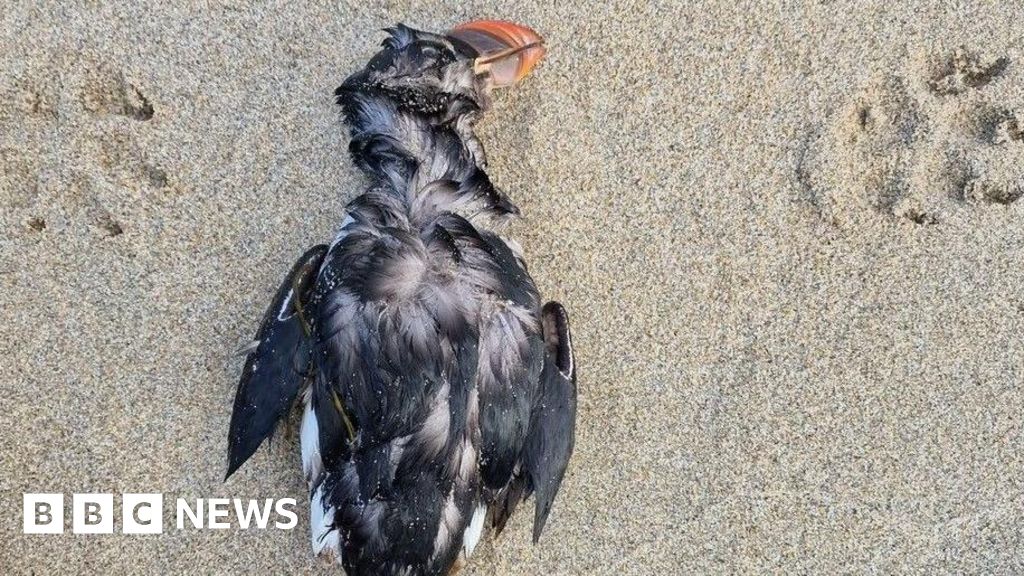
The situation is even more dire across the Channel, with the death toll significantly higher in France and Spain. These southern European coastlines serve as crucial wintering grounds for many of the seabird populations that breed in the UK, raising fears of a catastrophic seabird "wreck" impacting shared Atlantic populations. France’s main bird protection charity, the Ligue de Protection des Oiseaux (LPO), has reported an alarming surge, with more than 20,000 bird strandings – the vast majority of which are puffins – documented along the Atlantic coastline since February 1st alone. This unprecedented number dwarfs typical winter mortality rates, highlighting the extreme nature of the current events.
Conservationists warn that these reported figures represent only a fraction of the true devastation. Since the vast majority of birds that perish at sea are never found, the actual death toll is thought to be far higher, potentially reaching hundreds of thousands. Samuel Wrobel, senior marine officer at the RSPB, the UK’s leading bird charity, expressed profound concern, stating that "the sheer volume of reports coming in gives great cause for concern." The RSPB believes this constitutes clear evidence of a significant seabird ‘wreck’ – a mass mortality event primarily triggered when severe winter storms leave birds too exhausted, starved, or disoriented to survive the harsh conditions.
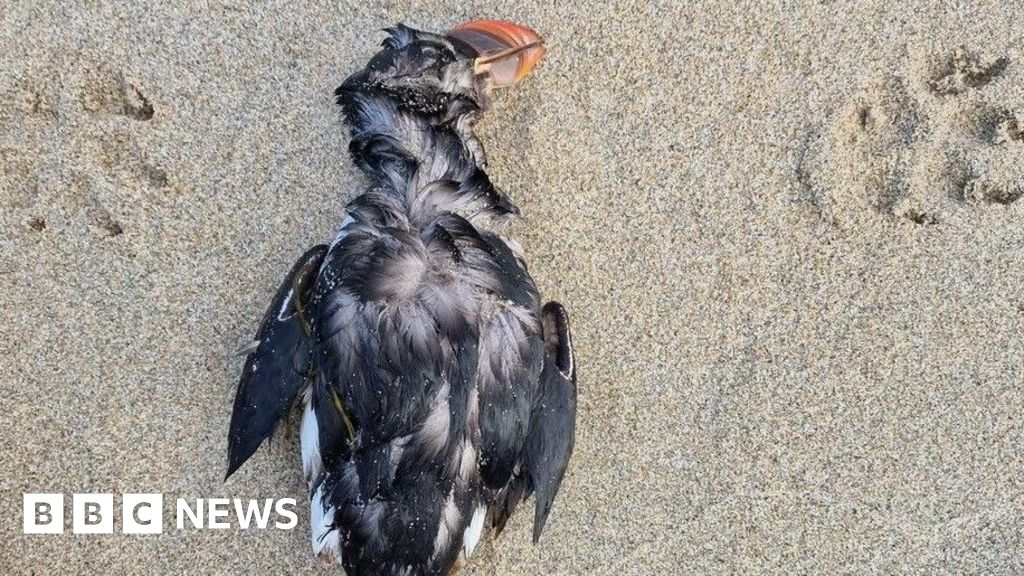
"The last time we saw a wreck on this scale was 2014," Wrobel added, "and after the impact of avian flu this is the last thing our seabirds need." That previous event saw more than 50,000 seabirds wash up on Europe’s Atlantic coast, a disaster widely regarded as one of the largest seabird wrecks in recent European history. The current situation, coming on the heels of the devastating H5N1 avian flu epidemic that decimated many seabird colonies across the UK and Europe over the past few years, finds populations already weakened and less resilient to extreme pressures.
This latest wreck is believed to have been primarily caused by a relentless series of brutal storms that have battered the Atlantic coast of the UK and continental Europe since January. Storms Goretti, Ingrid, and Chandra, in particular, brought sustained periods of high winds, colossal waves, and torrential rain, causing widespread floods and devastation for both human communities and wildlife alike. For seabirds, these extreme weather events make foraging incredibly difficult; rough seas churn up the water, dispersing their prey such as sandeels and small fish, and making it nearly impossible for them to dive and catch food effectively. Simultaneously, the constant battle against powerful winds and waves depletes their energy reserves at an alarming rate, leading to hypothermia and eventual starvation. Many birds are simply pushed far off course, disoriented, or too weak to navigate back to safer waters.
The full, long-term impact on the delicate seabird populations won’t be known until the birds return to their breeding sites in the coming months, typically in spring and early summer. However, the RSPB warns that UK seabirds are already in a perilous state, with two-thirds of species experiencing significant decline. This ongoing crisis is reflected in the UK Birds of Conservation Concern Red List. When this list was first published in 1996, it contained only one species of seabird. Today, a shocking ten of the UK’s 25 breeding seabird species are on the Red List, a category signifying the highest level of conservation concern. Among these critically endangered species are the iconic puffin and the kittiwake, both facing multiple threats even before the current wreck.
The latest comprehensive figures from the Ligue de Protection des Oiseaux (LPO) further underscore the continental scale of the disaster. They show approximately 15,000 birds have washed up in France so far this year, 4,400 in Spain, and 1,200 in Portugal. While puffins constitute the majority, significant numbers of common guillemots and little auks have also been found, indicating a widespread impact across different auk species, which share similar foraging behaviours and vulnerabilities. The LPO’s statement emphasizes the unusual nature of this event: "Mass seabird strandings frequently follow winter storms, but this episode is exceptional in both its scale and duration." The continuous succession of storms has left no respite for the birds, compounding their struggles.
French rescue centres, typically equipped to handle individual incidents, have been completely overwhelmed by the sheer volume of sick and injured birds. This has necessitated the urgent transfer of distressed birds across the national wildlife network to relieve the most overstretched facilities, highlighting the severe strain on conservation infrastructure. Roland Gauvain, the chief executive of the Alderney Wildlife Trust on the northernmost inhabited Channel Island, echoed the consensus among experts, stating his belief that the relentlessly rough seas had made it extraordinarily difficult for birds to feed adequately. "Those populations will most likely be UK and northern European breeding populations that have been wintering out at sea and have been picked up in the storms during the last couple of months and bashed around the place," he explained. "Finally, they are making their way back on shore where, unfortunately, a lot of them are already dead or dying as they approach the coastlines and get into rougher coastal waters."
Katie-jo Luxton, director of conservation for the RSPB, articulated the profound implications of such events: "Mass deaths like this underline just how fragile our seabirds are, as well as the urgent need to build resilience in their populations to be able to withstand exactly this type of unpredictable event." This resilience, she argues, can only be fostered through comprehensive and proactive conservation strategies that address the myriad pressures seabirds face.
The RSPB is advocating for several critical actions to safeguard these vulnerable species. Firstly, they call for better management of the fishing industry to ensure sustainable fish stocks, allowing seabirds to feed safely without competition or the risk of bycatch. Secondly, they demand that existing gaps in the UK’s network of marine protected areas be filled, and that these areas be effectively managed and enforced to truly protect vital feeding and breeding grounds. Thirdly, stronger protection of breeding colonies from invasive predators, such as rats and stoats on island nesting sites, is crucial to boost breeding success.
Finally, the RSPB emphasizes that new offshore wind development, while vital for renewable energy, must avoid the most sensitive areas for wildlife. The charity has been particularly critical of the government’s decision to award a contract to the Berwick Bank windfarm off the East coast of Scotland. Luxton asserts that this development sits on top of "a vital feeding ground for globally important species that will kill tens of thousands of seabirds over its lifetime." The concern stems from the risk of collision with turbine blades, as well as displacement from critical foraging areas, adding another layer of anthropogenic threat to already struggling populations.
In light of this unfolding tragedy, the public also has a role to play. Anyone who finds a dead wild bird is urged not to touch it, primarily due to the ongoing risk of avian flu. Instead, sightings should be reported promptly to Defra (or Dera in Northern Ireland) for possible collection and testing, which helps monitor disease spread. Additionally, all sightings, whether of dead or distressed birds, should be logged with BirdTrack, the online reporting scheme run by the British Trust for Ornithology. This vital citizen science data provides conservationists with crucial information on the scale, distribution, and species affected by such events, helping to inform future conservation efforts and policy decisions. The cumulative impact of these storms on UK seabirds, particularly the much-loved puffin, serves as a stark reminder of the urgent need for robust environmental protection and a proactive approach to biodiversity conservation in the face of escalating climate change and human pressures.




 George Anjay
 atisusanti