
 Roy Suryo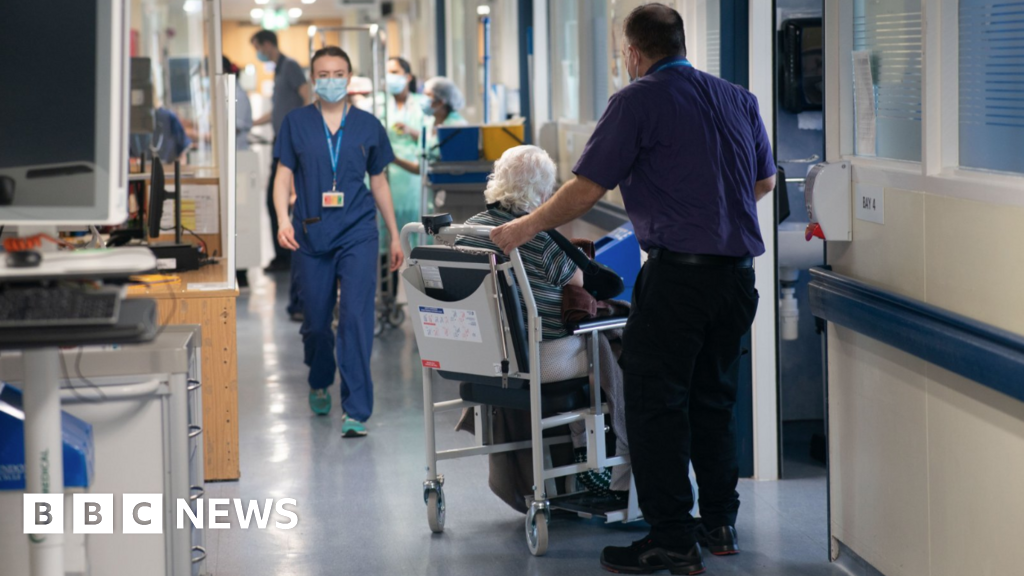
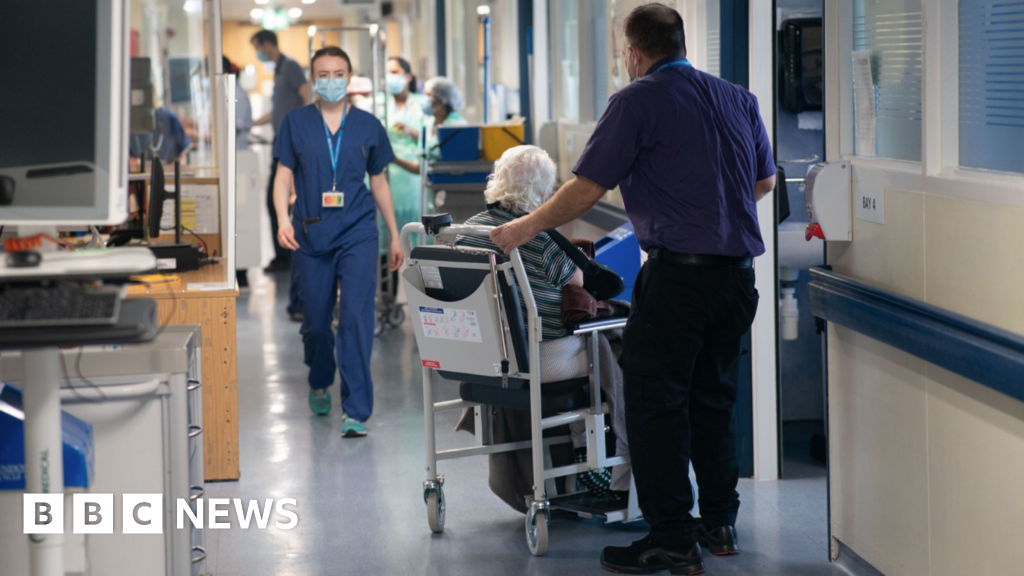
A stark BBC investigation has unveiled a deeply concerning reality within the UK’s National Health Service, revealing that over 52,000 patients in north-west England endured waits exceeding 24 hours for hospital admission last year. This prolonged period, often referred to as "corridor care," sees individuals left on trolleys or in chairs within Accident and Emergency (A&E) departments due to an acute shortage of inpatient beds. The Royal College of Nursing has unequivocally labelled this situation a "national emergency," issuing an urgent plea for the government to eradicate the practice entirely.
NHS England acknowledged the immense strain on the healthcare system, describing the current period as the "busiest winter on record" and noting that hospitals nationwide have been grappling with escalating demand for several years. Dr. Michael Gregory, regional medical director for NHS England in the North West, expressed regret over the necessity of corridor care, stating, "Providing care in corridors is not what we want for our patients, and we are working hard to reduce the use of corridor care and tackle long waits."
The official government metrics track the number of patients waiting more than 12 hours for a hospital bed after a clinician has determined they require admission. This critical decision point can occur hours after a patient’s initial arrival in A&E. A stark comparison highlights the severity of the issue: eight years ago, waits exceeding 12 hours were considered exceptional, often pointing to specific issues within a particular hospital trust. In December 2018, only 101 patients in the North West faced such long waits – a mere 0.2% of those admitted, with most attributed to a single mental health trust’s difficulties. Fast forward to December 2025, and this figure had dramatically surged to 10,658, representing nearly 18% of patients admitted from A&E. This translates to almost one in five individuals languishing in corridors, waiting rooms, or bays for extended, uncertain periods.
However, the official 12-hour waiting time figures mask an even more disturbing truth: many of these extended waits stretch into two or even three days. The government does not publicly disclose these longer durations. In response, the BBC submitted Freedom of Information requests to every acute hospital trust in the region for data covering the entirety of 2025. The responses received painted a startling picture. Across the North West alone, a staggering 52,015 patients experienced waits exceeding 24 hours after their "decision to admit" before securing a ward bed. Of these, a significant 6,893 patients endured waits of over 48 hours.
While often attributed to "winter pressures," the BBC’s investigation revealed that these prolonged waits are not confined to colder months. A substantial 12,458 patients waited longer than 24 hours, and 1,342 waited over 48 hours, during the warmer period between May and August. This suggests that the issue is systemic and persistent, rather than a temporary seasonal surge.
The strain on medical staff is immense. The Royal College of Nursing has been actively campaigning on this issue for years. Simon Browes, the college’s North West regional director, shared distressing accounts from nurses: "We’re hearing from members who are going to work, feeling anxious and upset. We’ve had members saying they’re sitting in their car crying before they go into work. It’s because they can’t do the job they want to do and they’re faced with this distressing, relentless situation."
Corridor care has become so normalized in many hospitals that dedicated staff are often assigned to manage these areas, akin to an additional ward. While patients receive monitoring and treatment, the inherent lack of privacy, inadequate facilities, and intense pressure on medical teams significantly hinder recovery. Families who have recently experienced A&E waits reported seeing patients in considerable discomfort, struggling to access basic needs like toilet facilities due to a lack of immediate assistance. Some recounted instances of patients soiling themselves while waiting, underscoring the profound lack of dignity associated with this practice.
The Royal College of Emergency Medicine has condemned the nationwide situation as "a national shame," while the Royal College of Nursing reiterated its call for an end to the practice, deeming it "a national emergency." Mr. Browes, a former nurse himself, highlighted the well-documented health risks associated with corridor care: "We’re going to see people dying who should not die. We’re going to see people leaving the profession because they can’t work under those conditions any more."
The data also revealed significant disparities between hospitals. Whiston, Royal Blackburn, Royal Preston, and Arrowe Park hospitals were identified as particularly struggling with prolonged waits. In contrast, the three Manchester hospitals, along with Fairfield General in Bury and Furness General in Barrow, reported comparatively fewer extended delays.
The root causes of this crisis are multifaceted and largely beyond the immediate control of individual hospitals. A primary driver is the severe crisis in social care provision, which results in older, more vulnerable patients remaining in hospital beds for extended periods – days or even weeks – because appropriate community care packages cannot be secured. The underdevelopment of community health services also plays a significant role. Despite successive governments announcing plans to shift healthcare away from hospital settings, the demand for inpatient care continues to rise, while the number of hospital beds has drastically reduced over the past two decades. These cumulative factors have created a situation where many people now dread the prospect of needing A&E.
In January, Health Secretary Wes Streeting pledged that the government would end corridor care by the end of the current parliamentary term in 2029. However, Mr. Browes argued that the situation demands immediate action. He pointed to alarming trends in nursing recruitment: "We’re already seeing a significant drop in applications for nursing degree programmes – over 30% reduction compared to five years ago. We’ve seen attrition rates from nursing programmes which we’ve never seen before. Those are not things that will happen. Those things are happening."

Reiterating the challenges, Dr. Michael Gregory, regional medical director for NHS England in the North West, stated, "Accident and Emergency departments in the North West, and nationally, have been experiencing rising demand for a number of years and the NHS is currently experiencing its busiest winter on record. It is well known that we have an ageing population and people often have multiple, complex health conditions, which means our hospitals are seeing increasing numbers of acutely unwell patients who need to be admitted. Despite teams working incredibly hard in very difficult circumstances, this does mean that some patients are cared for by doctors and nurses in corridors and some patients experience longer waits that we would like for a bed. Providing care in corridors is not what we want for our patients, and we are working hard to reduce the use of corridor care and tackle long waits. This includes providing more care in people’s homes to help them avoid hospital admissions or get home from hospital sooner, freeing up beds for those who need them."




 George Anjay
 Ramos Leo
 atisusanti
 Nakalama John