 George Anjay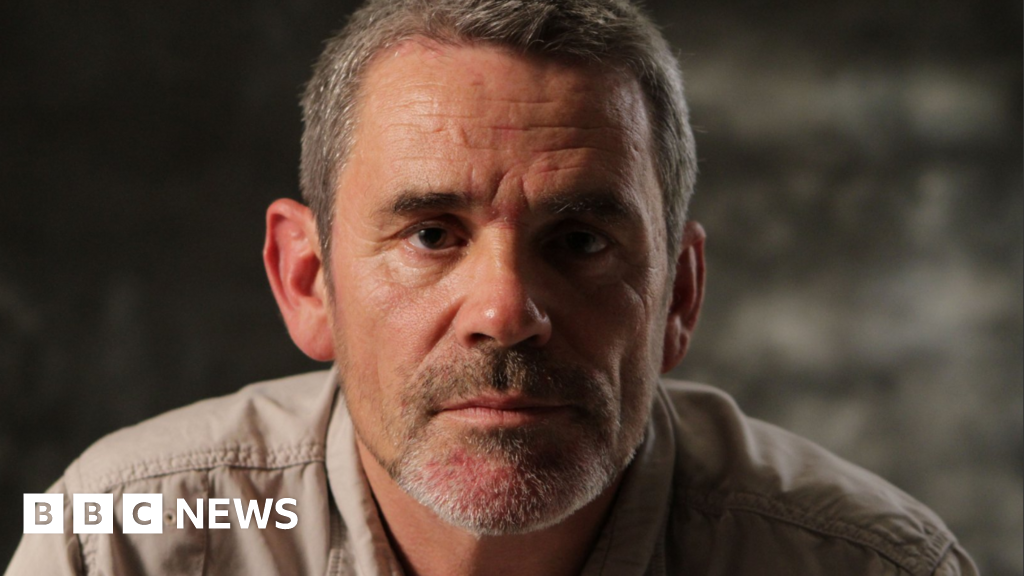
The world of photojournalism is in mourning following the death of acclaimed war photographer Paul Conroy, who passed away on Saturday at the age of 61. His brother, Alan Conroy, confirmed that the Liverpool-born artist died of a heart attack in Devon, where he had made his home. Conroy was renowned for his courageous and impactful imagery, capturing the brutal realities of conflicts across the globe, including in Syria, Rwanda, and Ukraine. His dedication to exposing injustice and giving voice to the victims of war was a defining characteristic of his remarkable career.
Conroy’s harrowing experience during a bombardment of a makeshift media centre in Homs, Syria, in 2012, which tragically claimed the lives of his colleagues Marie Colvin and Remi Ochlik, was brought to the wider public’s attention in the 2018 film "A Private War." In the critically acclaimed movie, his role was portrayed by actor Jamie Dornan. The film shed light on the immense bravery and personal cost involved in documenting front-line conflicts.
Tributes have poured in from colleagues, friends, and admirers, reflecting the profound impact Conroy had on those who knew him and the broader journalistic community. BBC newsreader Clive Myrie expressed his devastation, describing Conroy as "a wonderful photojournalist and a wonderful human being." He further stated, "I counted him as a friend and a decent, principled and kind man. My brutha you will be sorely missed. RIP." Lindsey Hilsum, international editor at Channel 4, echoed these sentiments, saying, "All of us who knew and loved him are devastated."
Before embarking on his career as a professional photographer, Paul Conroy served for seven years with the Royal Artillery, a background that undoubtedly informed his understanding of military operations and the human cost of conflict. He was also a dedicated trustee of the Frontline Club, an organisation dedicated to supporting media professionals, diplomats, and aid workers who work in challenging environments. Vaughan Smith, the founder of the Frontline Club and a former soldier himself, remembered Conroy with great affection. "He was one of the characters – those people who stand out because everybody adores them and they make you feel better," Smith remarked.
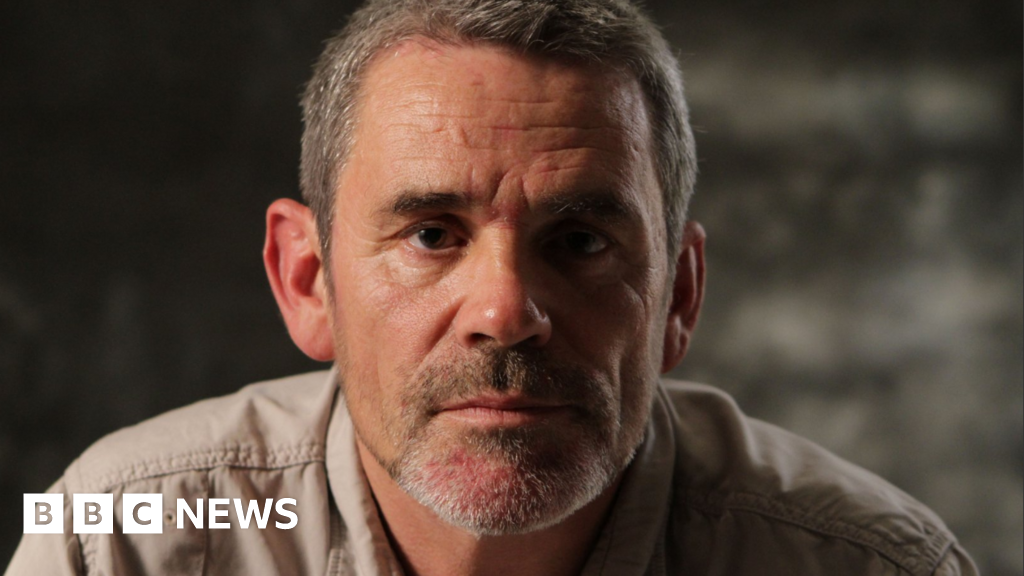
The 2018 documentary "Under the Wire" specifically chronicled Conroy’s perilous escape from the Homs attack. In his own words, reflecting on the tragic events, Conroy articulated his deep motivation: "These beautiful people who were being slaughtered, I wanted to tell their story." This profound empathy for the suffering of civilians was a driving force behind his work, pushing him to document atrocities that others might shy away from.
Conroy’s injuries sustained in Homs were severe, though he only fully comprehended their extent upon his return to the UK. He recounted, "Obviously I knew I had a huge hole in the back of my leg. But in London I found out I also had a great big piece of shrapnel wedged under my kidneys. I had 23 operations on my leg and others on my abdomen and back. I was in hospital for five months." This testament highlights the physical and psychological toll of his dangerous profession.
Throughout his career, Conroy’s assignments took him to numerous volatile regions, including Libya and Ukraine. More recently, he had completed an assignment in Cuba. His artistic talents extended beyond conflict photography, as he also captured images for the British singer Joss Stone and collaborated with her on music. Stone paid a heartfelt tribute, expressing her gratitude for knowing him and honouring him as a friend. "I wouldn’t be the person I am today without Paul," she stated. "Paul Conroy was a legend. A wonderful person through and through. Always standing up for what was right. Always there for those in need."
Paul Conroy’s commitment to "standing up for what was right" resonated deeply with those around him. His work served as a powerful visual indictment of war and oppression, forcing audiences to confront uncomfortable truths and fostering a greater understanding of the human consequences of conflict. His photographs were not merely images; they were urgent dispatches from the front lines, bearing witness to the suffering and resilience of people caught in the crossfire.
His brother Alan further elaborated on Conroy’s unwavering dedication, stating, "He did all his life what he wanted to do to make a difference – he found great pleasure in exposing wrongs." This sentiment underscores Conroy’s belief in the power of journalism to effect change and hold perpetrators of violence accountable. He approached his work with a profound sense of purpose, driven by a moral imperative to document and disseminate the stories of those who had been silenced.
Conroy’s legacy is one of immense courage, unwavering integrity, and a deep humanitarian spirit. He navigated some of the world’s most dangerous territories, armed with little more than his camera and an unshakeable commitment to truth. His photographs have informed public opinion, shaped policy debates, and provided invaluable historical records of pivotal moments in recent history.
The risks associated with his profession were undeniable, and Conroy himself bore the physical scars of his dedication. His survival from the Homs attack, though a testament to his resilience, also served as a stark reminder of the dangers faced by those who report from conflict zones. Despite the trauma, he continued to pursue his passion, driven by an insatiable need to bear witness and to ensure that the stories of the overlooked and the oppressed were heard.
Beyond his professional achievements, Conroy was cherished as a kind and compassionate individual. His ability to connect with people from all walks of life, whether they were fellow journalists, soldiers, or civilians caught in conflict, was a hallmark of his character. He possessed a rare ability to make others feel seen and heard, a quality that undoubtedly enhanced the authenticity and emotional depth of his photographic work.
Paul Conroy leaves behind a loving family, including his wife, three sons, and grandchildren, who will undoubtedly feel his absence deeply. His passing is a significant loss to the field of war photography and to the global community of individuals committed to human rights and social justice. His memory will live on through his powerful body of work, which will continue to inspire and educate future generations about the enduring importance of bearing witness to the realities of conflict and the indomitable spirit of humanity. His life’s work serves as a potent reminder of the vital role photojournalists play in holding power to account and in fostering empathy in a world often too quick to turn away from suffering. His legacy is etched not only in the images he captured but in the lives he touched and the truths he relentlessly pursued.


 atisusanti
 Nakalama John