
 Nana Banana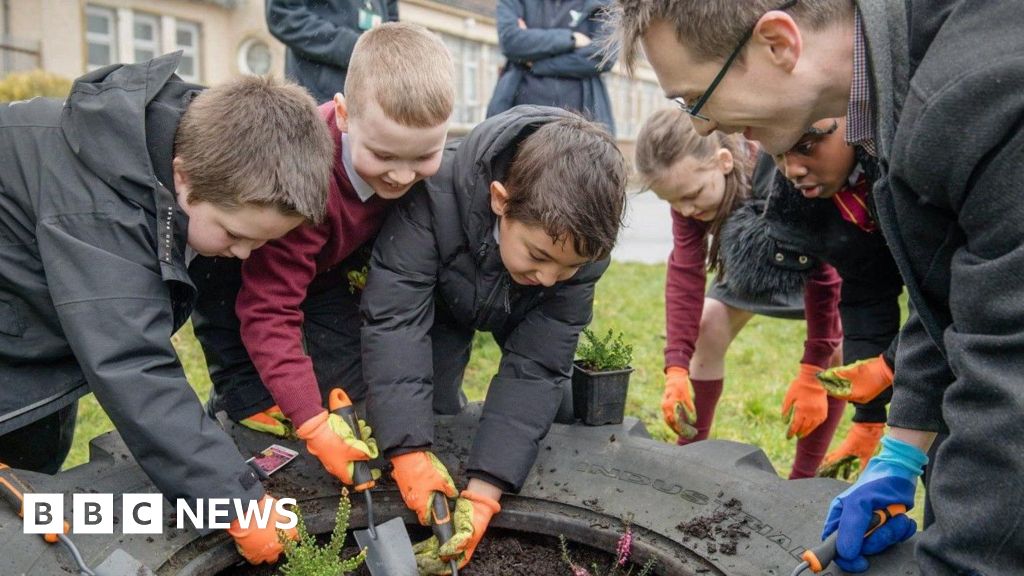
The project’s strategic vision extends beyond mere habitat creation; it actively seeks to foster a robust network of citizen environmentalists. Plans are firmly in place to recruit a minimum of 40 dedicated volunteers who will play an indispensable role in the ongoing maintenance and nurturing of these newly established areas. These vital green zones will be strategically integrated into various public spaces, including bustling city parks, educational institutions such as schools, and vibrant community hubs, ensuring widespread accessibility and engagement.
The pressing need for such an initiative stems from well-documented environmental concerns. Across the UK, butterfly and moth populations have faced significant pressures, leading to sharp declines in many species. Habitat loss due to urbanisation and intensive agricultural practices, the widespread use of pesticides, and the escalating impacts of climate change are all critical factors contributing to this ecological crisis. Butterflies and moths are not just aesthetically pleasing creatures; they are vital pollinators, playing a fundamental role in the reproduction of numerous wild plants and agricultural crops. Their decline signals broader environmental degradation and can have cascading effects throughout ecosystems, impacting food chains and overall biodiversity. By focusing on creating specific, nectar-rich and larval food plant habitats, the project directly addresses the scarcity of resources these insects need to thrive.
Claire Martin, the dedicated project officer for Butterfly Conservation, eloquently articulated the profound significance of these green interventions. "Parks and green spaces are incredibly important for local communities, providing opportunities to enjoy time outdoors and discover wildlife," she remarked, underscoring their multifaceted value. "They are integral to our wellbeing and enrich our local environments in so many ways." Martin further highlighted Glasgow’s unique ecological advantage, noting that the city’s extensive network of green spaces constitutes more than a fifth of its total area. This substantial green infrastructure presents an unparalleled opportunity. "By improving this network and creating Wild Spaces to support butterflies and moths, we can have an incredible impact for nature and for communities across Glasgow," she asserted. She also tantalized residents with the promise of surprising discoveries: "Plus, you might be surprised at some of the beautiful and exotic-looking butterflies and moths that live right here in the city."
The "Wild Spaces" themselves will be carefully designed ecological pockets, focusing on native wildflowers and specific larval food plants crucial for butterfly and moth reproduction. Imagine vibrant patches of wildflowers like knapweed, wild marjoram, and scabious, providing abundant nectar for adult butterflies. Crucially, these spaces will also incorporate plants essential for caterpillars, such as nettles for Red Admirals and Small Tortoiseshells, or cuckooflower for Orange Tips. These aren’t just decorative gardens; they are carefully planned micro-ecosystems designed to support the entire lifecycle of these fascinating insects, offering both food and shelter. The project envisages these areas as vital ecological stepping stones, connecting larger green areas and allowing wildlife to move more freely throughout the urban environment.
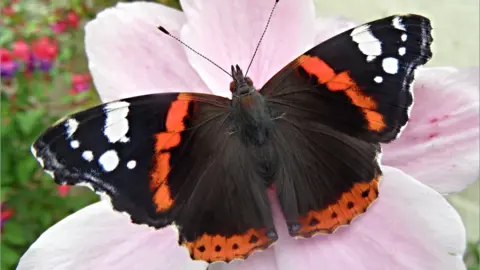
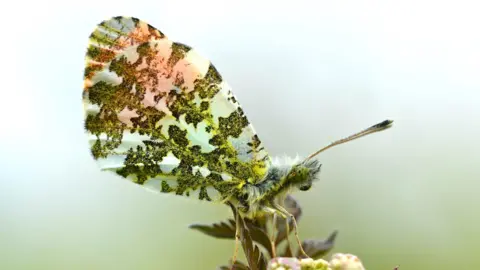
Among the species expected to flourish in these newly established havens are the striking Red Admiral, with its distinctive black, orange, and white wings, and the delicate Orange Tip, recognizable by the vibrant orange tips on the wings of the males. Other native Scottish species likely to benefit include the Small Tortoiseshell, Peacock, Large White, Small White, and Speckled Wood, alongside various day-flying and night-flying moths. The presence of these species acts as a barometer for environmental health, and their return or increase will be a clear indicator of the project’s success.
The ambitious £250,000 project has garnered substantial financial backing, a testament to its perceived importance and potential impact. Funding has been secured from the National Lottery Heritage Fund, a significant contributor to heritage and environmental projects across the UK, alongside valuable contributions from Glasgow City Council and the dedicated supporters of Butterfly Conservation. This robust financial foundation ensures the project’s viability and its ability to deliver on its ambitious targets over the next two years.
The phased rollout of the project includes the establishment of 15 dedicated wildlife zones within public green spaces, ensuring broad community access and visibility. An additional 13 zones will be created within school grounds, transforming educational environments into living laboratories where pupils and staff can actively participate in conservation efforts. The initiative officially launched with an enthusiastic event at St Martha’s Primary School on a recent Thursday, where schoolchildren eagerly engaged in planting butterfly-friendly flora. Several prominent city parks have already been earmarked for transformation, including the well-loved Penilee Park and Richmond Park, promising to extend these ecological benefits across diverse Glasgow neighbourhoods.
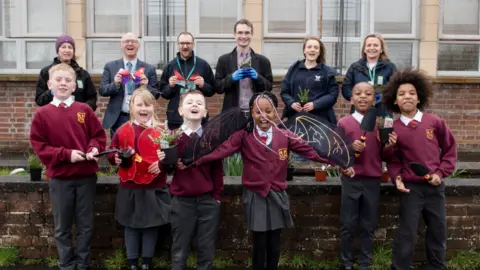
Beyond the designated sites, the project also plans to empower individual citizens and smaller community groups. "Wild Spaces start-up packs," complete with wildflower seeds and guidance, will be distributed, enabling people to create their own miniature green havens in gardens, balconies, or even window boxes, no matter how small their accessible green space may be. This grassroots approach encourages widespread participation and demonstrates that everyone can contribute to conservation. The initiative has already generated significant interest, with a long list of organisations expressing their desire to join, including numerous primary and secondary schools, LGBT Youth Scotland, Glasgow University, and a host of local community groups, highlighting the broad appeal and collaborative spirit of the project.
Angus Millar, Glasgow’s city convener for climate, warmly endorsed the initiative, emphasizing its strategic importance for the city’s environmental goals. "This is a great initiative to create more spaces across Glasgow for nature," Millar stated, acknowledging the critical role of pollinators. "Pollinators such as butterflies and moths play a vital role in maintaining our natural environment and we need to provide food and shelter across all types of land to arrest their decline and help them thrive." He further highlighted the project’s community-centric approach: "The Wild Spaces project will support new habitats across the city, and is a particularly great opportunity for schools and local groups to support their local environment." Millar concluded with optimism, expressing his anticipation "to seeing green spaces across the city come alive in the year ahead" and for more Glaswegians to have increased access to nature within their communities.
This Glasgow project is an integral component of Butterfly Conservation’s broader nationwide "Wild Spaces" programme, a testament to the charity’s commitment to encouraging widespread action for butterflies and moths, regardless of geographical location or the extent of green space available. The success of a similar two-year project undertaken in Perth and Stirling serves as an encouraging precedent, having engaged over 1,000 individuals and successfully established 20 new areas of vital butterfly and moth habitat within urban and suburban settings. Building on this proven model, a further ambition of the Glasgow project is to extend its influence beyond the city limits. The team plans to connect with five additional councils outside Glasgow, sharing the invaluable lessons and successes gleaned from the city’s experience and providing support to encourage them to implement similar impactful conservation initiatives. This holistic approach underscores a vision for a more biodiverse and resilient Scotland, starting with its vibrant urban heart in Glasgow.



 Roy Suryo
 atisusanti
 Nakalama John
 George Anjay