Nana Banana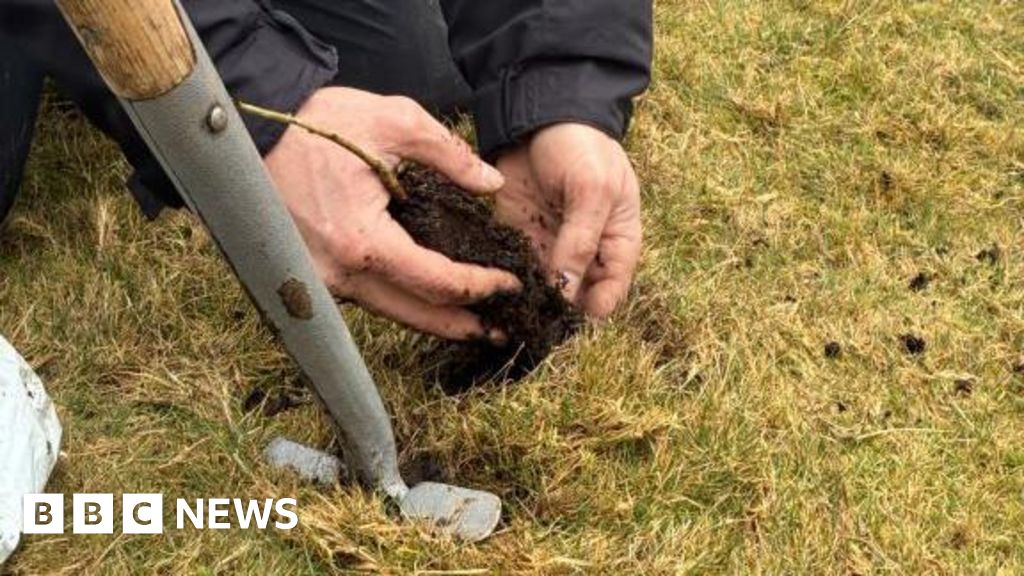
Volunteers have embarked on a vital mission to significantly expand one of the South West’s last remaining temperate rainforests, planting 800 young trees at Dartmoor’s iconic Wistman’s Wood National Nature Reserve. This latest planting drive builds upon previous efforts, notably the 450 saplings established in March 2025, bringing the total number of newly introduced trees to 1,250 within a year. The collaborative project, spearheaded by dedicated volunteers from Natural England, unites the conservation expertise of the Duchy of Cornwall, the local knowledge of Moor Trees, and the national advocacy of the Woodland Trust, all working in concert to bolster this unique and precious ecosystem.
Wistman’s Wood itself is a site of extraordinary ecological and cultural significance. Nestled within a remote valley on Dartmoor, this ancient woodland is a relic of the vast temperate rainforests that once covered much of the UK’s western seaboard. It is characterised by its distinctive gnarled sessile oak trees, often stunted by the harsh upland conditions, their branches and trunks heavily draped with a luxuriant tapestry of mosses, lichens, and ferns. The woodland floor is a chaotic jumble of moss-covered granite boulders, creating a truly otherworldly and mystical atmosphere. As a National Nature Reserve, Wistman’s Wood is afforded the highest level of protection, recognised for its unique biological features and its role as a living testament to a bygone era.
Temperate rainforests, also known as Atlantic or Celtic rainforests in the UK, are globally rare habitats. They thrive in areas with high rainfall, consistent humidity, and mild temperatures, conditions prevalent on the western coasts of Britain and Ireland. Unlike their tropical counterparts, temperate rainforests are not defined by towering trees but by an incredible diversity of lower plants – particularly mosses, liverworts, and lichens – which flourish in the consistently damp, clean air. These micro-habitats support a rich array of invertebrates, fungi, and specialised plant species, making them biodiversity hotspots. However, centuries of deforestation, agricultural expansion, and grazing pressure have severely fragmented and diminished these vital ecosystems, making their preservation and expansion a critical conservation priority.
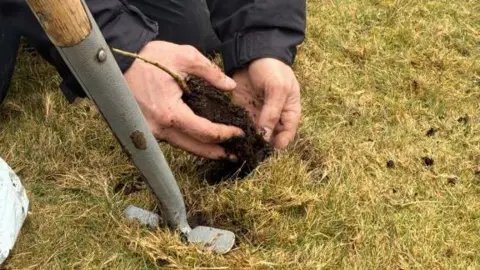
The 800 saplings planted in this recent effort are carefully selected native species, chosen for their suitability to the Dartmoor environment and their role in a thriving temperate rainforest ecosystem. Predominantly, these would include sessile oak, which forms the canopy of Wistman’s Wood, alongside pioneer species like rowan, birch, and willow, as well as understory trees such as holly and hazel. Sourcing these saplings from local provenance is crucial, ensuring genetic suitability and enhancing their chances of survival. The planting itself took place within strategically designed fenced plots, a critical intervention to protect the vulnerable young trees from the considerable grazing pressure exerted by Dartmoor’s iconic ponies and livestock. Without these protective enclosures, the saplings would quickly be browsed, preventing their establishment and growth.
The success of such an ambitious undertaking relies heavily on the collaborative spirit and diverse expertise of its partners. Natural England, as the lead conservation body, brings scientific guidance, ecological monitoring, and the strategic vision necessary for a project of this scale within a National Nature Reserve. Their volunteers provide invaluable on-the-ground labour, demonstrating a tangible commitment to conservation. The Duchy of Cornwall, as the landowner, plays a pivotal role by making the land available for restoration and providing long-term stewardship. Emma Magee, Head of Communities and Nature on Dartmoor at The Duchy of Cornwall, underscored this commitment: "We are delighted to have been able to return to Wistman’s Wood and to be working with partners including Natural England and Moor Trees to continue this important work. The continued restoration of this iconic woodland reflects the Duchy’s commitment to building and enhancing nature-rich landscapes."
Moor Trees, a local charity dedicated to growing and planting native trees in Devon, contributes essential practical expertise, often running its own nurseries to ensure the genetic integrity of the saplings. Their deep understanding of the local landscape and their ability to mobilise community volunteers are indispensable. The Woodland Trust, one of the UK’s largest woodland conservation charities, provides broader support, advocacy, and strategic alignment with national efforts to restore temperate rainforests across the country. Their involvement helps to elevate the profile of the project and secure wider resources and public awareness.
Expanding and strengthening a rare temperate rainforest is far more than just planting trees; it’s an investment in ecological resilience and biodiversity. These woodlands act as significant carbon sinks, absorbing atmospheric carbon dioxide and helping to mitigate climate change. They also play a crucial role in water regulation, slowing down rainfall runoff and improving water quality within the Dartmoor catchment. Ecologically, a larger, more connected Wistman’s Wood will provide expanded habitat corridors, allowing species to move more freely and increasing the genetic diversity of populations. This enhanced connectivity is vital for the long-term survival of the unique flora and fauna dependent on these rare habitats, from the smallest lichens and fungi to the various insect species and woodland birds.
The historical decline of temperate rainforests in the UK is a stark reminder of past land management practices. Centuries of felling for timber, charcoal production, and clearance for agriculture and grazing have left only fragments of these once extensive woodlands. Today, these remaining fragments face ongoing threats from climate change, which can alter rainfall patterns and humidity levels, and from tree diseases, which can decimate specific species. The long-term vision articulated by Emma Magee, stating that "Expanding and strengthening a rare temperate rainforest isn’t a one-off intervention, it requires steady, long-term effort," highlights the generational commitment required. Forest restoration is a process that spans decades, demanding consistent monitoring, adaptive management, and ongoing maintenance to ensure the survival and thriving of the newly planted saplings. This includes managing grazing pressure, controlling invasive species, and ensuring the health of the developing woodland.
The involvement of volunteers is a cornerstone of this project, transforming a conservation effort into a community endeavour. These dedicated individuals, often local residents, provide the hands-on labour essential for planting hundreds of trees in challenging terrain. Their participation fosters a deeper connection to the natural environment, raising awareness about the importance of temperate rainforests and inspiring future generations of conservationists. It also embodies a collective responsibility towards protecting and enhancing Dartmoor’s natural heritage.
Looking ahead, this expansion project at Wistman’s Wood serves as a beacon of hope for temperate rainforest restoration across the UK. It demonstrates a scalable and collaborative model for rewilding and enhancing biodiversity in nationally important landscapes. The ongoing success of these newly planted trees will be meticulously monitored, providing valuable data and insights for future conservation initiatives. As these young saplings grow into mature trees, they will not only extend the ancient boundaries of Wistman’s Wood but also contribute significantly to the broader national effort to restore the UK’s precious and globally rare temperate rainforests, ensuring their survival for centuries to come.



 atisusanti
 Nakalama John
 George Anjay