Nana Banana
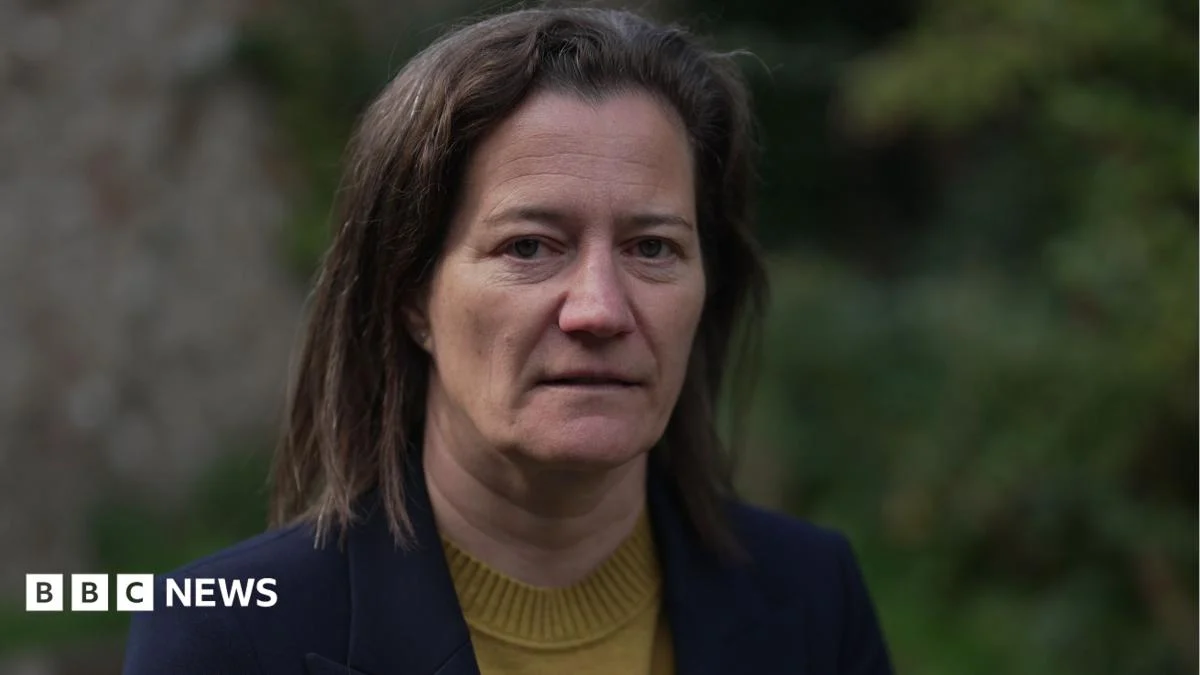
The future water security of Suffolk, and indeed much of East Anglia, hangs in the balance, according to a leading water company executive who has underscored the critical necessity for substantial new infrastructure projects. Monisha Gower, a key figure at Essex & Suffolk Water, has made a compelling case for the immediate development of two new reservoirs and a state-of-the-art water recycling plant within the county. These ambitious plans are deemed "essential" to safeguard the region’s water supply not just for the coming years, but for "generations" to come, addressing a looming crisis driven by climate change, population growth, and increased commercial demand.

Essex & Suffolk Water, a vital utility provider, currently serves approximately 1.8 million households spread across significant portions of Essex, Suffolk, and Norfolk. The sheer scale of its customer base highlights the immense responsibility the company bears in ensuring a reliable and sustainable water supply. Recognising the escalating challenges, the company has recently launched a comprehensive initiative dubbed the Suffolk Water Recycling, Transfer and Storage Project. This multi-faceted scheme represents a proactive and strategic response to the growing pressures on water resources in one of the driest regions of the United Kingdom. Monisha Gower’s assertion that Suffolk’s long-term water security is under serious threat resonates deeply with environmental assessments and climate projections, positioning this scheme as a potential lifeline for the region.
East Anglia, by its geographical nature and meteorological patterns, consistently ranks among the driest parts of the UK. This inherent vulnerability means that periods of low rainfall can quickly translate into significant water stress, impacting both natural ecosystems and human consumption. "We need to carefully plan ahead to secure and maintain the existing supplies – and this project represents a major step forward for securing water for the future," Gower emphasised. Her words highlight the delicate balance between current needs and futureproofing, a challenge that requires significant foresight and investment. The project is not merely about addressing today’s demands but creating a resilient water infrastructure capable of withstanding the increasingly unpredictable impacts of climate change, including more frequent and severe droughts.

The severity of the situation in Suffolk has been officially recognised by the Environment Agency, which has designated the county as a "Seriously Water Stressed Area." This designation is not merely a label; it carries significant implications, indicating that the long-term availability of water in the region is critically endangered. Factors contributing to this stress include lower-than-average rainfall, increased abstraction for agriculture and public supply, and the natural characteristics of the geology which limit groundwater availability. Reinforcing this urgent assessment, Essex & Suffolk Water reported in September that Suffolk had experienced its second driest March-May period since comprehensive records began in 1921. Such extreme weather events underscore the fragility of existing water systems and the imperative for robust new solutions. The Suffolk Water Recycling, Transfer and Storage Project forms a crucial component of a wider £1.5 billion investment program dedicated to enhancing water infrastructure across the entire East of England, reflecting a regional understanding of the shared challenges and the need for collaborative, large-scale solutions to ensure "reliable water supplies for generations to come." This significant investment signals a long-term commitment to climate resilience and sustainable resource management.
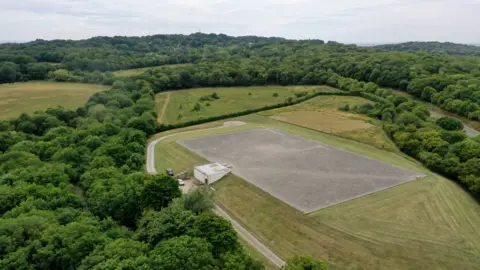
The proposed project is ambitious and multi-faceted, designed to bolster water resilience across the county. At its core is the planned construction of a sophisticated water recycling plant near Lowestoft. This facility would be capable of producing an impressive 11 million litres (equivalent to 2.4 million gallons) of highly purified water daily. This recycled water, treated to an exceptionally high standard, would then be transferred to replenish strategic storage facilities, effectively creating a sustainable, closed-loop system that reduces reliance on traditional, rainfall-dependent sources. Complementing the recycling plant, two new partially buried reservoirs are planned. One reservoir is proposed near the existing Lodgewood Water Tower in Sibton, close to Saxmundham, strategically located to serve a significant catchment area. The second reservoir is envisioned near Eye airfield, providing additional storage capacity in another key part of the county. The design choice for "partially buried" reservoirs aims to minimise visual impact on the landscape, blending the necessary infrastructure more harmoniously with the rural environment. These reservoirs will serve as crucial buffers, storing water during periods of surplus for use during dry spells, ensuring a consistent supply. Connecting these vital new assets – the recycling plant and the reservoirs – will be approximately 50 miles (80km) of new pipelines, forming a robust network to efficiently transfer, distribute, and integrate the newly secured water resources into the existing supply system.
While the current water supplies are sufficient to meet the needs of existing households and business customers, Monisha Gower highlighted a critical distinction regarding future demand. "We currently have sufficient water supplies to support our existing households and business customers, so that is fine and secure," she affirmed. However, she immediately pivoted to the looming challenge: "The challenge we have is meeting the extra demand from new commercial developments and commercial customers who want to connect to our water supplies." This distinction is crucial; while residents may not immediately feel a shortage, the region’s economic growth and future prosperity are directly tied to the availability of water. New housing developments, expanding industrial estates, and a growing agricultural sector all require significant additional water resources. Without the creation of this new supply capacity and the necessary connectivity, Suffolk’s ability to attract investment, support its growing population, and foster economic development could be severely constrained. The project, therefore, is not just about water, but about enabling sustainable growth and prosperity for the region.
The development of such large-scale infrastructure projects necessitates extensive community engagement. Ms Gower recently spoke to the BBC following the conclusion of a rigorous seven-week public consultation period for the Suffolk Water Recycling, Transfer and Storage Project. During this period, over 1,000 residents actively participated in a series of drop-in sessions held across the affected areas, providing valuable feedback and raising important questions. These sessions offered an opportunity for local communities to learn more about the proposals, understand the rationale behind the investment, and voice their concerns or suggestions. "Initial feedback has been broadly supportive and positive, so the community understands the need for this investment and what it would unlock," Ms Gower reported. This broad support is a positive indication, suggesting that the public recognises the urgency of the water security issue and the long-term benefits of the proposed solutions. While specific concerns regarding environmental impact, construction disruption, or visual aesthetics would undoubtedly have been raised, the overall sentiment points towards an acceptance of the necessity for these strategic developments. This initial phase of consultation is crucial for gathering local insights that can help refine the project plans, ensuring they are not only technically sound but also consider the well-being of the communities they serve. Future stages will involve more detailed planning applications and further opportunities for public input as the project progresses from conceptual design to concrete implementation. The successful navigation of these community dialogues will be pivotal in bringing this vital infrastructure to fruition, securing Suffolk’s water future for generations to come.



 Roy Suryo