
 Ramos Leo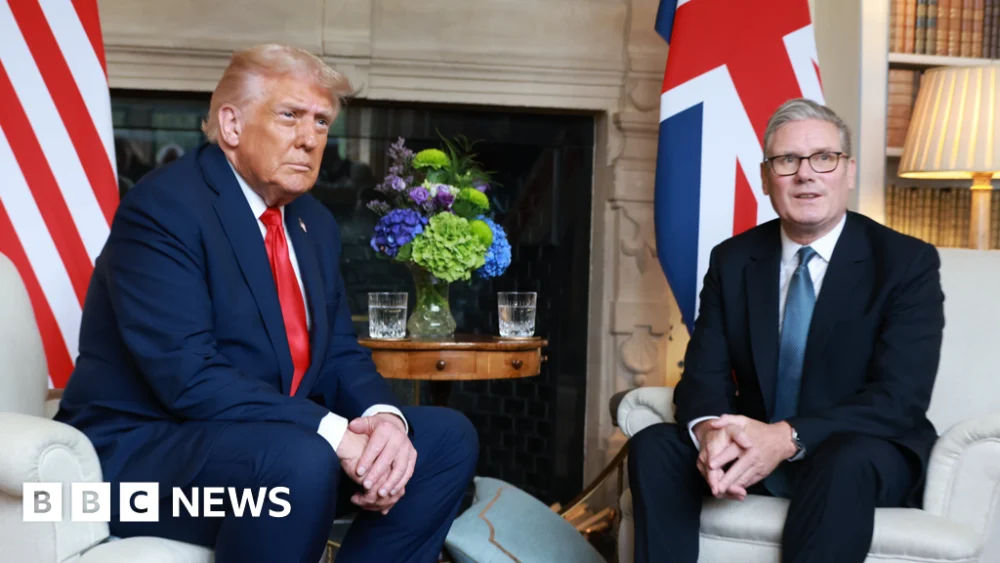
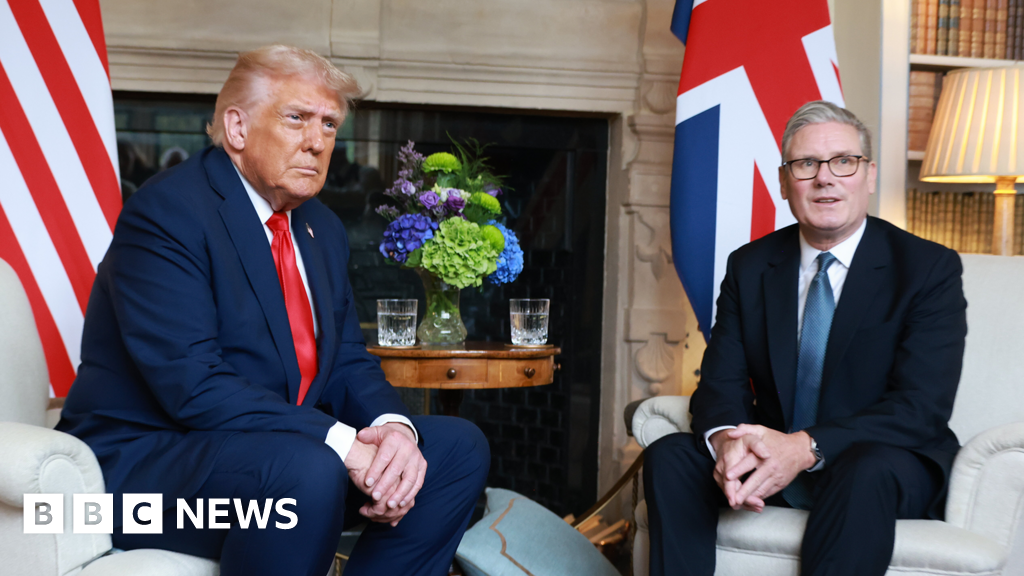
This sudden and vitriolic intervention, targeting a settled UK foreign policy decision, presents Starmer with an unprecedented strategic dilemma: What, precisely, should he do now? For months, Sir Keir has painstakingly courted Donald Trump, building his foreign policy around the premise of being a dependable, trustworthy ally of the president. He deliberately avoided public criticism of Trump, opting instead for a quiet, behind-the-scenes diplomacy designed to foster a strong and stable relationship. In what has been an extraordinarily difficult start for his government domestically, grappling with numerous internal challenges, Starmer’s relationship with the US president was widely regarded as an unexpected and crucial success story.
Trump, in turn, frequently spoke warmly of the prime minister in public, fostering a perception within Downing Street that the UK enjoyed a stronger, more reliable relationship with the White House than many of its European counterparts. This, it was believed, consistently worked to the UK’s tangible benefit. The successful resolution of tariffs last year – widely understood to be the previously contentious steel and aluminium tariffs imposed by the Trump administration on various allies – was frequently lauded as a prime example, a case study in the strategic advantages derived from the close bond they had forged.
But now, this carefully constructed edifice is under direct assault. First, there was the bizarre and seemingly unprompted dig at Greenland, and now, the far more significant and strategically sensitive issue of the Chagos Islands. The government finds itself in the uncomfortable position of having to vigorously defend its deal to hand over the Chagos Islands to Mauritius, an agreement announced last year, following President Trump’s "splenetic outrage" – delivered in his characteristic blitz of capital letters – across social media platforms.
Senior government sources are working overtime to clarify that the deal was not only well-reasoned but also had substantial strategic justifications. They are quick to point out that the agreement was publicly welcomed by both the United States and Australia at the time of its announcement – two crucial partners alongside the UK in the ‘Five Eyes’ intelligence alliance. The core argument long articulated by ministers is that the UK’s claim to sovereignty over the Chagos Islands had faced escalating legal challenges and international condemnation, particularly from the International Court of Justice (ICJ) and the United Nations General Assembly. These challenges, they contended, seriously threatened the long-term viability and operational security of the crucial joint military base on Diego Garcia.
Diego Garcia is not just any military installation; it is a vital strategic asset, prized by both the UK and the US for its unparalleled location in the Indian Ocean. It serves as a critical hub for intelligence gathering, surveillance, reconnaissance, and as a launchpad for long-range bomber operations, supporting counter-terrorism efforts and projecting power across a vast and increasingly contested geopolitical theatre. The government’s deal, they assert, was a pragmatic and forward-looking solution designed to resolve a long-standing colonial dispute, adhere to international legal norms, and, most importantly, secure the indispensable future of the base for decades to come, ensuring continued stability for Anglo-American defence cooperation. It was also seen as a step towards addressing the historical injustice faced by the Chagossian people, who were forcibly removed from their homes in the 1960s and 70s to make way for the base, with the deal potentially paving the way for their return.
The dramatic shift in the president’s stance is particularly perplexing given the historical record. It is almost a year since the president’s view on the deal was first sought in public. The political editor vividly recalls being present in the Oval Office when the question was posed. While the reporter pack had harboured suspicions that the president might express scepticism, they were wrong. When directly asked, Trump sounded unequivocally supportive. A few months later, in May of last year, when the deal was formally concluded, it was officially and publicly welcomed by the United States State Department, underscoring its perceived strategic benefits for both nations.
Now, however, we are witnessing a colossal and inexplicable change of heart, delivered with all the bombast and unpredictability that has become Trump’s hallmark. This sudden reversal leaves Starmer in an incredibly precarious position. Does he stand firm, risking further presidential wrath and potential damage to the "special relationship"? Or does he attempt to appease, potentially undermining the UK’s sovereign decision-making and appearing weak on the international stage? The domestic political fallout could be significant, with critics undoubtedly seizing on any perceived humiliation or weakening of the UK’s diplomatic standing.
And this Chagos broadside might not be the end of Starmer’s woes, even this week. The UK government has now approved plans for a new Chinese embassy in London, a diplomatic ambition Beijing has long coveted. This decision has not been without its critics, who have consistently warned of significant security risks and strategic missteps inherent in allowing such a substantial Chinese presence so close to critical government infrastructure.
From conversations with sources in Washington, there are already deep and palpable reservations about the UK being perceived as "cosying up" to China, a nation viewed by the US as its primary geopolitical rival. The approval of this new embassy, coming just a few weeks before the prime minister is expected to undertake a high-stakes visit to China, creates another potential flashpoint for presidential outrage. Could this be the next stimulus for one of Trump’s characteristic social media barrages? That scenario, given the current climate of unpredictability, feels entirely possible, if not probable, right now.
Starmer’s challenge is multifaceted. He must navigate the immediate crisis, defending the Chagos deal while attempting to preserve a semblance of the US relationship. But beyond that, he faces a profound strategic re-evaluation. The "calm discussion" approach, while admirable, appears increasingly untenable with an unpredictable, transactional figure like Trump. The Chagos incident exposes the inherent fragility of a foreign policy built so heavily on personal rapport with a leader prone to sudden, radical shifts in opinion.
The long-term implications for the UK’s global standing are immense. How does Starmer maintain the perceived benefits of the US alliance – particularly in intelligence sharing (Five Eyes) and defence cooperation (Diego Garcia) – while simultaneously asserting the UK’s independent foreign policy decisions and defending its national interests, even when those decisions clash with an erratic American president? This isn’t merely about a remote archipelago or a diplomatic building; it’s about the very foundations of the UK’s most critical international relationships and its ability to project a coherent, confident presence on the world stage. Starmer must now find a way to manage an increasingly volatile US relationship, ensuring the UK is not constantly buffeted by the winds of presidential caprice, while also charting a course for its global future that is both principled and pragmatic. The Catherine wheel, it seems, has only just begun to spin.



 Roy Suryo

 Nakalama John
 atisusanti
