
 Roy Suryo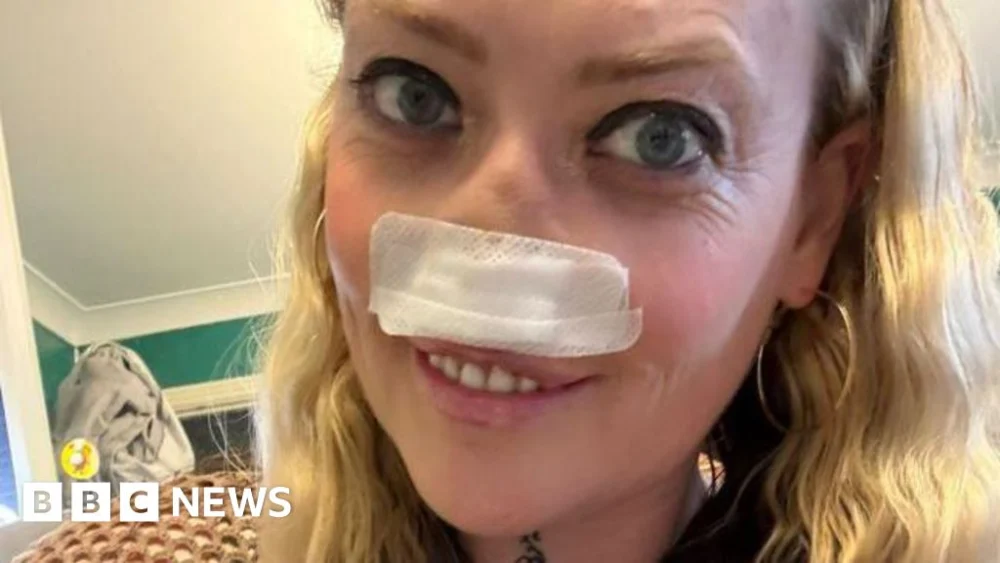
Leanne Abeyance, a 41-year-old from Telford, is a woman living with the devastating consequences of a "Turkey teeth" dental operation, a procedure increasingly sought by those looking for more affordable cosmetic dentistry abroad. Her story is a stark warning, as she continues to advocate for others, driven by a profound need to highlight the severe risks associated with such procedures. The operation, intended to enhance her smile, instead led to a cascade of medical emergencies, including the collapse of her nose, leaving her in constant, debilitating pain and too self-conscious to leave her home.
"It doesn’t get any easier, but I’m glad that it’s touched so many people," Leanne shared, her voice tinged with the ongoing trauma. "I just want to chop my head off and start again." This raw expression of despair underscores the profound psychological and physical toll the failed surgery has exacted. She had previously resorted to wearing a prosthetic nose, a temporary measure to conceal the disfigurement, but even this proved problematic, triggering a severe allergic reaction.
The gravity of her situation was amplified in the week preceding an essential implant removal operation at Guy’s Hospital in London. Leanne recounted the terrifying moment her septum "came apart," leading to uncontrollable bleeding. "I got my mum round, I got everyone round. I actually said goodbye to my little girls, because I thought I was going to die, I thought I was going to get sepsis and die," she recalled, her words painting a vivid picture of her fear and perceived mortality.
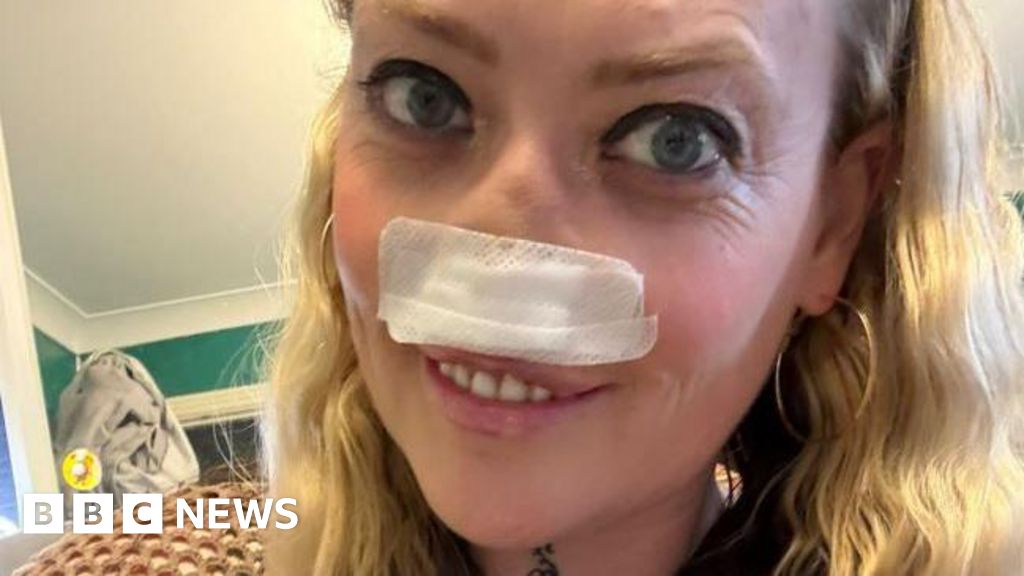
Beyond the immediate physical trauma, the botched dental work has triggered the onset of autoimmune conditions, which are now actively damaging her face and making the simple act of eating an agonizing experience. Leanne admits that in her desperation, she may have made the wrong choice by opting for a prosthetic nose instead of waiting for reconstructive surgery. "When something is on your face like this, everyone stops and stares at you," she explained, articulating the immense social pressure and the desire for immediate, albeit temporary, relief.
The repercussions of the failed operation have permeated every facet of her life, profoundly impacting her relationships and her ability to engage with the world. "I don’t want to go out anywhere, I don’t want to see anybody," she confessed, the isolation a palpable consequence of her disfigurement and pain. "Who wants to see somebody with bandages on their face? Who wants somebody who’s crying in pain every day?" Her words reveal a deep sense of shame and a longing for the normalcy that has been stolen from her.
Despite the overwhelming personal suffering, Leanne has channelled her energy into a powerful campaign of awareness. Rather than succumbing to despair, she is determined to use her experience as a cautionary tale, actively working to dissuade others from embarking on similar journeys. "I’m doing this now for everybody else," she stated with conviction, transforming her personal tragedy into a public service. Her commitment to warning others is a testament to her resilience and her empathy for those who might be tempted by the allure of cheaper cosmetic procedures abroad.
The National Health Service (NHS) offers advice for individuals contemplating dental work abroad, emphasizing that while cost savings might seem appealing, the potential risks must be thoroughly considered. The NHS advises potential patients to consult their NHS dentist before making any decisions, acknowledging that healthcare standards can vary significantly between countries. This guidance is crucial, as the pursuit of a "perfect smile" can, in cases like Leanne’s, lead to irreversible damage and a lifetime of suffering.
The term "Turkey teeth" has become a colloquial shorthand for dental tourism to Turkey, a practice that has seen a surge in popularity due to the perceived affordability of procedures such as veneers and crowns. While many individuals do have positive experiences, a growing number are emerging with stories of complications, infections, and significant disfigurement. These cases often involve aggressive tooth preparation, where healthy teeth are filed down excessively to accommodate crowns, leaving them vulnerable to irreversible damage and nerve exposure.
The allure of a complete smile makeover at a fraction of the UK cost is a powerful draw, but it often overlooks the critical factors of aftercare, regulatory oversight, and the potential for communication barriers. Patients may find themselves unable to seek redress or receive necessary follow-up care when they return home, leaving them to deal with the consequences alone. The lack of regulation in some overseas clinics can mean that practitioners are not held to the same stringent standards as their UK counterparts, potentially leading to the use of substandard materials or inadequate sterilization practices.
Leanne’s experience highlights the profound dangers of prioritizing cost over quality and safety in medical procedures. Her story serves as a poignant reminder that cosmetic enhancements, especially those involving invasive dental work, should never be undertaken without thorough research, consultation with trusted professionals, and a realistic understanding of the potential risks. The emotional and physical scars Leanne carries are a stark testament to the fact that some savings come at an immeasurable price. Her ongoing advocacy, fueled by her own suffering, is a vital service, offering a much-needed voice of caution in the increasingly complex landscape of global cosmetic surgery. The hope is that by sharing her harrowing journey, Leanne can prevent others from enduring similar fates, turning her pain into a powerful force for positive change and informed decision-making.




 Nakalama John
 atisusanti
 Ramos Leo
