Nana Banana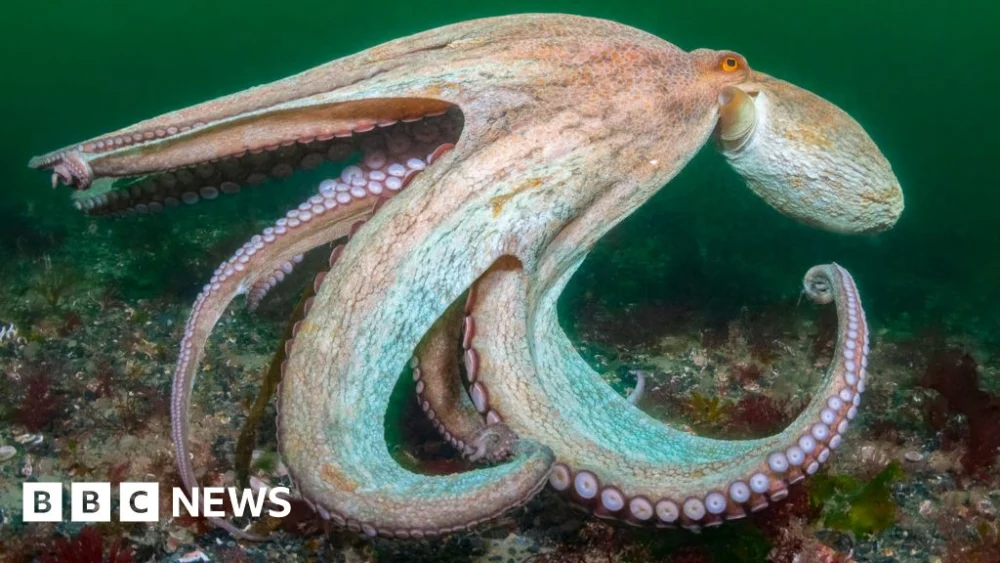
The year 2025 has been officially christened "the Year of the Blooming Octopus" by the esteemed Wildlife Trusts, following an unprecedented surge in octopus sightings across the south-west coast of England. Their annual marine review highlighted that octopus numbers reached their highest level since 1950 during the summer months, painting a vivid picture of ecological shifts driven by a changing climate. This dramatic increase, often referred to by marine biologists as a "bloom," is largely attributed to a succession of milder winters, a phenomenon increasingly linked to global climate change.
These findings are not merely anecdotal; they are robustly supported by official figures from the fishing industry. Data reveals that over 1,200 tonnes of octopus were caught in UK waters during the summer of 2025 alone. This figure represents a staggering increase when compared to recent history. For context, since 2021, the amount of octopus landed by fishermen had only once exceeded 200 tonnes in a single year, underscoring the extraordinary nature of the current population explosion. Such a sudden and significant boom in a species’ population can have profound implications for marine ecosystems and the human activities dependent on them.
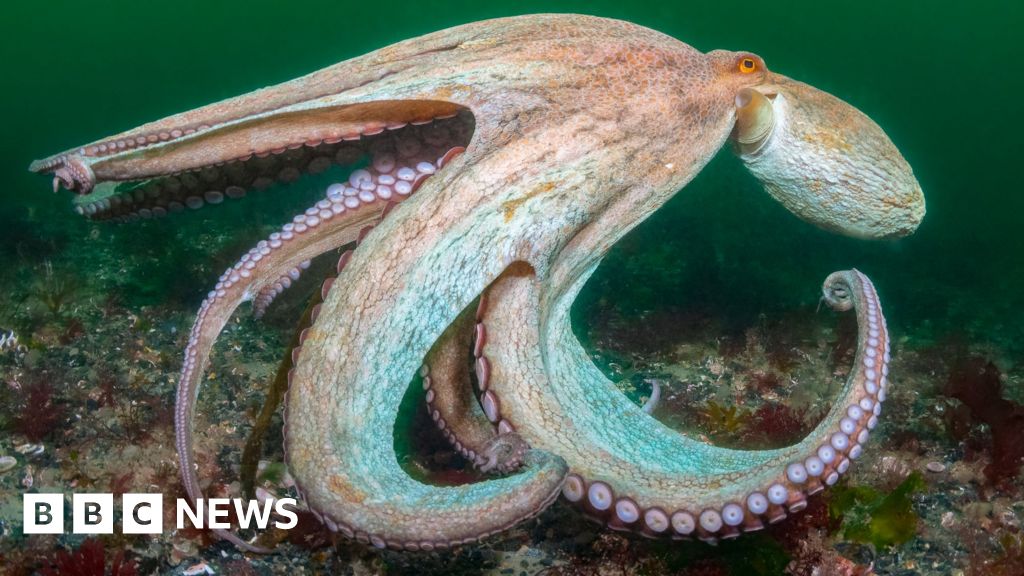
Experts confirm that the vast majority of these newly observed cephalopods belong to the species Octopus vulgaris, more commonly known as the common octopus. This species typically thrives in the warmer waters of the Mediterranean Sea and parts of the Atlantic, making its widespread and abundant presence in UK waters particularly noteworthy. Characterized by its remarkable intelligence, ability to change colour and texture for camouflage, and impressive problem-solving skills, Octopus vulgaris is a formidable predator. Its diet primarily consists of shellfish, including crabs, lobsters, and scallops – species that form the backbone of a significant portion of the UK’s inshore fishing industry.
The anecdotal evidence from the frontline of marine observation is equally compelling. Volunteers from the Cornwall Wildlife Trust and Devon Wildlife Trust reported an astonishing increase in sightings, with some stretches of the south coast experiencing a more than 1,500 percent rise compared to figures from 2023. Matt Slater, a marine awareness officer from the Cornwall Wildlife Trust, described the situation as "truly exceptional." He recounted vivid observations of these highly intelligent creatures displaying a range of fascinating behaviours. "We’ve seen octopuses jet-propelling themselves along with incredible speed and agility," Slater explained, "and witnessed their unparalleled ability to camouflage themselves, blending so seamlessly with their surroundings that they look just like clumps of seaweed." Divers also observed octopuses meticulously cleaning their suckers and, perhaps most strikingly, "walking, using just two arms to nonchalantly cruise away from divers underwater, a truly captivating display of their unique locomotion." These close encounters provide invaluable insights into the behaviour and adaptability of Octopus vulgaris in its new, extended habitat.
The question now looming for marine scientists and the fishing community is whether this dramatic rise in octopus numbers represents a permanent shift in the UK’s marine biodiversity or merely a cyclical phenomenon, destined to return to more typical levels after this year’s bloom. If the increase proves to be permanent, it would signify a significant ecological transformation, indicative of profound changes in the North East Atlantic’s marine environment.
The implications of a sustained octopus population boom are multifaceted, particularly concerning their dietary preferences. As voracious predators of shellfish, a consistently high number of octopuses could exert considerable pressure on native populations of lobsters, crabs, and scallops. This in turn, raises concerns for the fishing industry that relies heavily on these valuable crustaceans and bivalves. Ruth Williams, head of marine for The Wildlife Trusts, articulated these concerns during an interview on the BBC’s Today programme. "They are undoubtedly having an impact on those shellfish species around our shores," Williams stated, "and as a consequence, they will be having an impact on our fishing industry who target those species as well."
However, Williams also emphasized the potential for adaptation and innovation within the industry. "But there are opportunities," she added, "and our fishing industry are doing some research into that at the moment to try and evolve with the changing fisheries that we’re seeing as a result of climate change." This research likely explores new fishing methods for octopuses, potential new markets for this burgeoning resource, and strategies for managing the co-existence of octopus populations with traditional shellfish stocks. Government data provides an initial glimpse into these impacts, showing a noticeable decline in crab landings compared to previous years, while catches of lobster, crawfish, and scallops have remained relatively stable. This mixed picture suggests that while some shellfish populations may be under pressure, others are, for now, holding their own.
Beyond the fascinating narrative of the octopus bloom, the Wildlife Trusts’ annual marine review also presented a more sobering account of the state of UK seas. The year 2025 was tragically bookended by significant environmental disasters, underscoring the ongoing challenges faced by marine ecosystems. In March, a catastrophic collision between an oil tanker and a container ship in the North Sea resulted in the spillage of immense quantities of plastic resin pellets, commonly known as nurdles. These tiny plastic beads, the raw material for almost all plastic products, pose a severe threat to marine life. They are easily mistaken for food by seabirds and marine animals, leading to ingestion, internal injuries, and starvation. Their persistence in the environment means they can travel vast distances, accumulating toxins and breaking down into microplastics, which enter the food chain with devastating long-term consequences.
Adding to this grim picture, November saw the release of nearly 4.5 tonnes of bio-beads from a water treatment plant in Sussex. Bio-beads, typically used in wastewater treatment processes to provide a surface for beneficial bacteria, are not inherently toxic, but their sheer volume can cause significant physical pollution. When released into natural waterways, they can smother seabed habitats, impede the feeding of bottom-dwelling organisms, and introduce large amounts of plastic into the marine environment, where they persist and can cause blockages and ingestion issues for wildlife. These incidents serve as stark reminders of the constant threats posed by industrial accidents and inadequate infrastructure to the delicate balance of marine ecosystems.
Yet, amidst these challenges, the marine review also offered glimmers of hope and success in conservation. Wildlife enthusiasts celebrated a record-breaking year for puffins on Skomer Island in Pembrokeshire, with an estimated 46,000 of the charismatic seabirds recorded. Skomer Island, a protected national nature reserve, provides an ideal breeding ground for these ‘sea parrots,’ with abundant food sources in surrounding waters and a lack of ground predators. This success highlights the effectiveness of dedicated conservation efforts and protected areas in allowing vulnerable species to thrive.
Furthermore, the review noted the triumphant comeback of the puffin on the Isle of Muck, a remote Scottish island. This resurgence is a direct result of meticulous conservation efforts undertaken by the Ulster Wildlife Trust to eradicate invasive brown rats. Brown rats are notorious predators of puffin eggs and chicks, capable of decimating breeding colonies. The successful removal of these invasive species has created a safe haven for puffins, allowing their populations to recover and flourish. These positive stories demonstrate that with targeted intervention, sustained effort, and effective management, it is possible to reverse ecological decline and safeguard precious marine biodiversity.
In conclusion, the Wildlife Trusts’ marine review for 2025 presents a complex and dynamic snapshot of UK waters. While the extraordinary bloom of octopuses, driven by warmer seas, offers a fascinating insight into the adaptability of marine life and the immediate effects of climate change, it also raises questions about ecological balance and the future of traditional fisheries. The ongoing challenges of marine pollution, exemplified by the nurdle and bio-bead spills, underscore the urgent need for enhanced environmental protection and stricter regulatory oversight. Simultaneously, the success stories of puffin conservation on Skomer and the Isle of Muck provide powerful reassurance that dedicated efforts can yield tangible, positive results, reminding us of the enduring resilience of nature when given a chance. The coming years will be crucial for understanding whether the "Year of the Blooming Octopus" marks a temporary anomaly or the harbinger of a fundamentally altered marine landscape for the UK.




 Nakalama John
 George Anjay
 Ramos Leo
 atisusanti
 Roy Suryo