Roy Suryo
Families and former patients who feel "failed" by a health trust are convening to articulate their expectations for a forthcoming public inquiry. This crucial meeting comes in the wake of a damning 2022 investigation that exposed significant care deficiencies within the Tees, Esk and Wear Valleys Trust, particularly concerning the deaths of three teenagers. Last month, the gravity of these findings prompted Health Secretary Wes Streeting to announce a comprehensive public inquiry, a move he stated would "uncover failures in care and look at the concerning number of patient deaths by suicide at the trust over the past 10 years." Mr. Streeting emphasized his desire for the affected families to play a pivotal role in shaping the inquiry’s agenda, a sentiment that has led to approximately 50 families and former patients gathering in Middlesbrough to meticulously outline the issues on which they demand answers.
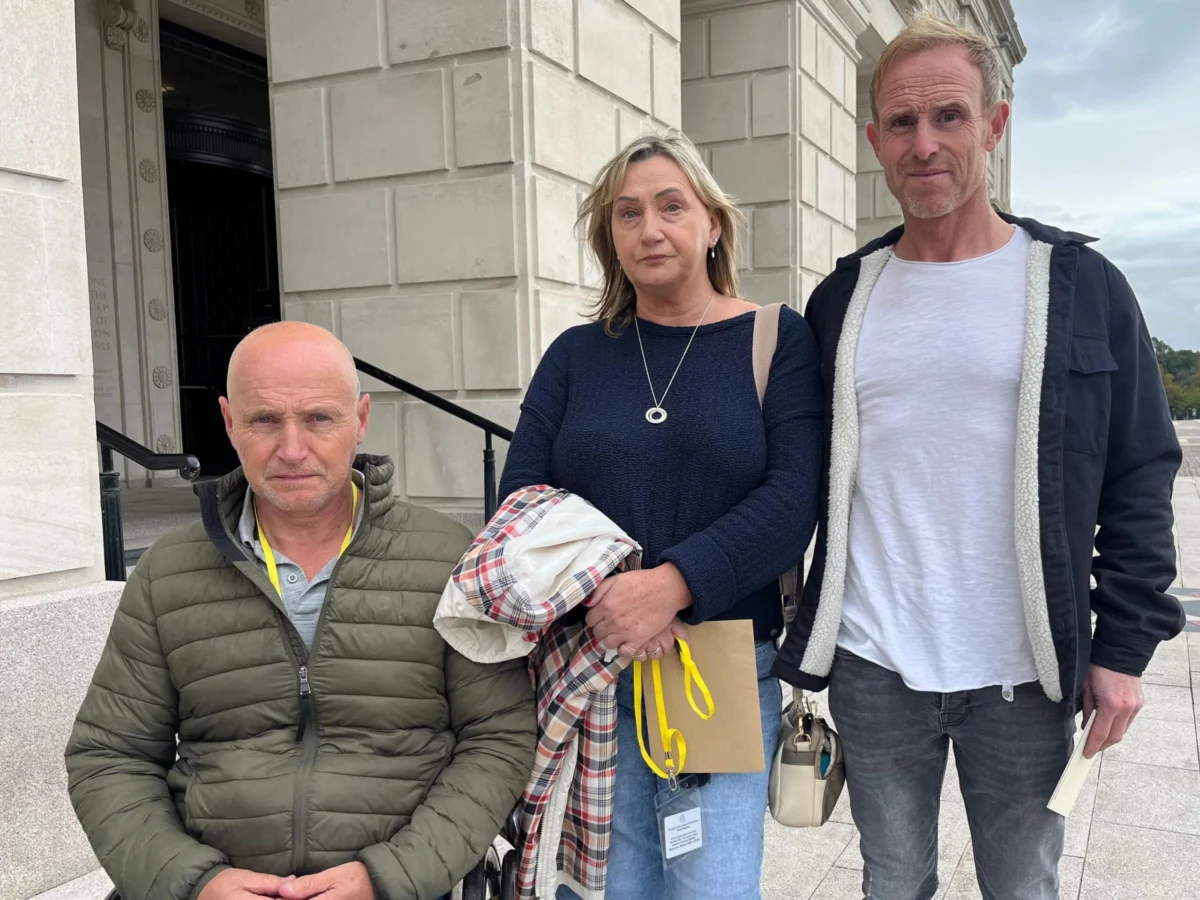
This gathering is particularly poignant given the tragic circumstances that catalyzed the inquiry. Christie Harnett and Nadia Sharif, both aged 17, and Emily Moore, who was 18, were all under the care of the Tees, Esk and Wear Valleys Trust, specifically treated at West Lane Hospital in Middlesbrough. Tragically, all three young women took their own lives within months of each other. Their bereaved families, united by their profound grief and a shared sense of injustice, spearheaded the persistent and courageous campaign for a public inquiry, refusing to let their daughters’ deaths go unexamined. The weight of their loss is immeasurable, yet their determination to prevent similar tragedies has been a driving force behind the pursuit of accountability and systemic change.

At a previous meeting held in Darlington last month, Health Secretary Wes Streeting conveyed the profound impact the families’ advocacy had on him. He spoke of being "inspired by the families’ remarkable courage and tireless campaigning while they were suffering unimaginable grief." This acknowledgment underscores the significant moral authority these families now hold in the process. Their solicitor, Alistair Smith, articulated the enduring nature of their pain, stating, "The pain of their loss does not go away, but they want this inquiry to make permanent and radical change." Mr. Smith’s words highlight the dual purpose of their involvement: to seek justice for their loved ones and to fundamentally reform a system that, they argue, failed them so catastrophically.
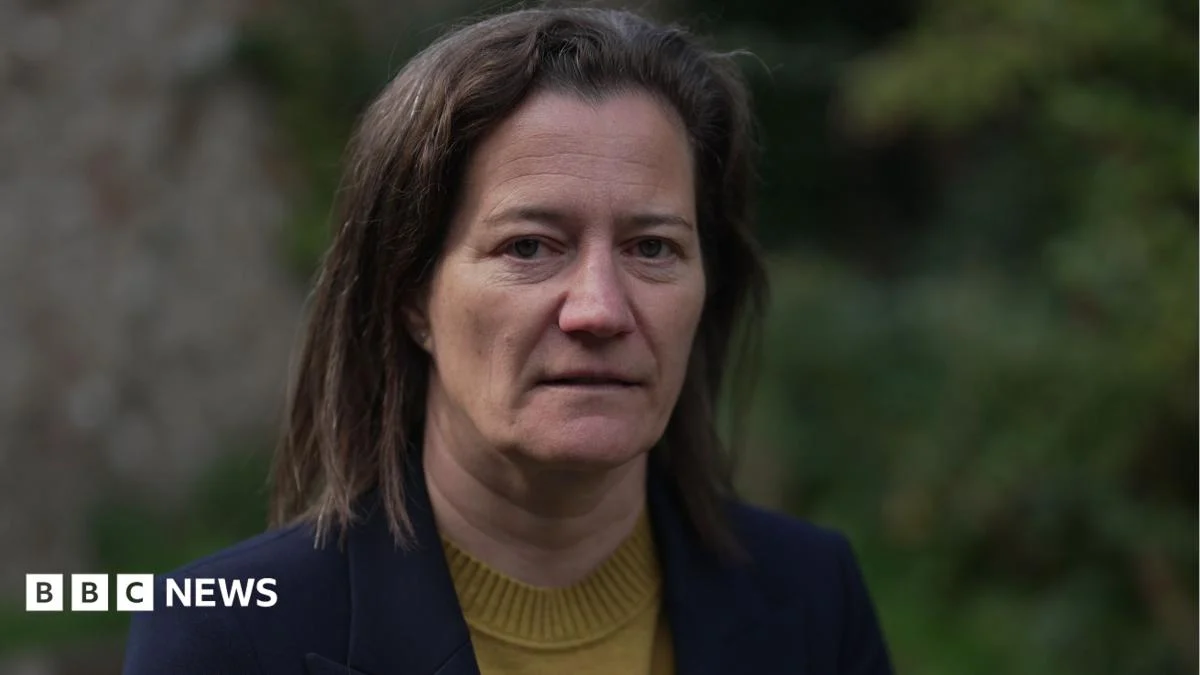
Among those attending the meeting in Middlesbrough is Kate, who was a teenager when she received care at West Lane Hospital. Her experiences have left her deeply scarred, describing herself as "haunted" by the distressing events she witnessed and heard during her time there. A subsequent critical report on the unit unequivocally described it as "chaotic and unsafe," a sentiment that resonates deeply with Kate’s lived experience. She revealed that her own mental health deteriorated rapidly during her stay, leading to an increase in self-harm incidents. The physical manifestation of this suffering is starkly evident on her body. "I’ve now got significant scars all over my body," she shared, her voice heavy with emotion. "When I think of the rest of my life, my wedding day and having children I think about these scars." These visible reminders serve as a constant testament to the profound and lasting impact of inadequate mental healthcare.
Despite the enduring trauma, Kate credits the unwavering support of her family with helping her to eventually turn her life around. However, she expresses deep frustration and anger that timely and effective action was not taken to address the systemic failures sooner. Her questions echo the sentiments of many who have suffered within the trust’s care: "It’s all coming out now, but what about when we were all suffering and complaining about the problems? What about the girls and the people who have lost their lives?" Her words highlight the agonizing reality that while an inquiry promises answers, it cannot bring back those who were lost, nor erase the pain of those who continue to live with the consequences.

In response to the impending inquiry and the persistent concerns raised by families and former patients, the Tees, Esk and Wear Valleys Trust has issued a statement pledging its full cooperation. The trust stated that it would "fully support the process with transparency, openness and humility." Furthermore, it articulated a commitment to "listening, reflecting and taking meaningful action to improve the experiences for patients, families, carers and staff, so those who have been affected hear how sorry we are." This statement, while acknowledging the need for change and expressing regret, will be scrutinized by those who have experienced the trust’s failings firsthand. For them, words of apology must be unequivocally matched by tangible and lasting improvements in the quality and safety of mental health services.
The upcoming meeting represents a critical juncture in the fight for accountability and reform. It is an opportunity for those who have borne the brunt of the trust’s shortcomings to coalesce, share their narratives, and collectively articulate the specific areas that demand thorough investigation. The inquiry, when it commences, will not just be a procedural examination of past events; it will be a profound reckoning with the systemic issues that allowed a vulnerable population to suffer. The families and patients who have so bravely come forward seek not only answers and justice for their loved ones but also a fundamental transformation of mental health provision, ensuring that no other family has to endure such heartbreak due to failures in care. Their voices, amplified by their shared experiences, will be central to shaping the future of mental health services in the region, aiming to create a system that truly prioritizes the well-being and safety of every individual it serves. The hope is that this inquiry will serve as a catalyst for profound and lasting change, honoring the memories of those lost by building a more compassionate and effective healthcare system. The detailed discussions planned for this meeting will undoubtedly form the bedrock of the evidence and concerns that will be presented to the inquiry, underscoring the vital role of lived experience in driving meaningful reform within the National Health Service. The courage displayed by these families and patients in confronting such deep-seated issues is a testament to their resilience and their unwavering commitment to ensuring that their suffering leads to a better future for others.